Leave Your Message

7 Tips for Choosing a Slide Outdoor Playset

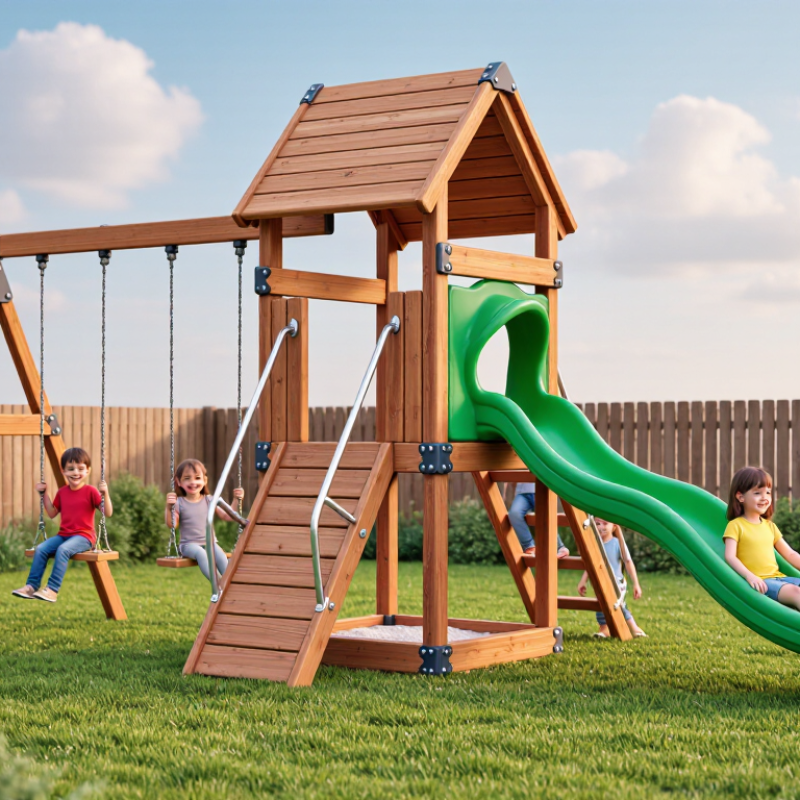
Choosing a Slide Outdoor Playset involves more than picking bright colors or the tallest slide. The right set should support active play, fit your available space, and remain dependable through changing weather. A small backyard demands careful measurements. Remember the swing path, slide exit, and surrounding safety zone. Children also need enough room to climb, turn, and stop without crowding each other.

This guide shares seven practical tips for making a better choice. It considers materials, age suitability, weight limits, platform height, installation, maintenance, and safety features. Look for clear manufacturer instructions and independently verified safety information when available. A sturdy frame, secure handrails, smooth edges, and stable anchoring matter more than decorative extras. They matter every day.

Weather deserves attention. Sun can weaken some plastics, while moisture may affect untreated wood or metal connections. Check fasteners regularly, especially after storms or heavy use. A set that looks safe in a showroom may behave differently on uneven ground. That is easy to overlook. I would also question impressive specifications without clear testing details or replacement-part support. Honest product research includes admitting uncertainty.

The best Slide Outdoor Playset is not automatically the largest or most expensive model. It should match your children’s abilities, your yard, and your willingness to inspect it. Careful selection can create a play space that feels exciting without ignoring practical responsibility. That balance is the real goal.
7 Tips for Choosing a Slide Outdoor Playset

Define the Playset’s Intended Age Range and Main Uses

Choosing a slide outdoor playset starts with one practical question: Who will use it, and why? A toddler needs low platforms, short slides, wide steps, and secure handrails. Older children may need taller climbing walls, faster slides, or space for imaginative games. Check the stated age range carefully. It reflects platform height, fall risk, grip strength, and coordination demands.

Think about the playset’s main use during a normal afternoon. Will children climb repeatedly, slide together, or create pretend shops beneath the platform? A compact set may suit one young child, while siblings need stronger construction and multiple access points.

Measure the yard before buying. Leave clear space around the slide exit, including room for a child to slow down safely. The surface should be level and impact-absorbing, not hard concrete.

I once underestimated how quickly a child’s abilities changed. A set that felt challenging in spring seemed too simple by autumn. That mistake mattered. Review the playset every few months, especially after weather changes or heavy use. Look for loose bolts, cracked plastic, splintered wood, and worn ground covering. Adult supervision remains important, even when the equipment matches the child’s age. Children do not always play within the limits adults expect. A cautious choice today may feel restrictive later, but an advanced structure can create avoidable danger. Check the instructions, local safety guidance, and the child’s actual confidence before deciding.
Measure the Yard and Map Out a Safe Installation Area

A slide playset needs more room than its footprint suggests. Measure the yard before choosing equipment or marking posts. Record the length, width, and the distance from fences, walls, trees, and outdoor structures. A simple tape measure and graph paper can reveal problems early.

Create a clear safety zone around the playset, especially in front of the slide exit. Keep this area free from stones, roots, sprinkler heads, and hard edging. Check the ground for slopes, poor drainage, or soft spots after rain. Level, well-drained soil supports steadier installation.

My first sketch was too optimistic. I measured the frame but forgot the slide’s landing space. That mistake changed the layout. Mark the full play area with stakes and string, then walk around it from a child’s viewpoint. Look upward, too. Tree branches, roof edges, and low cables can create hazards.

Leave enough room for adults to supervise and reach every side. Place the playset where windows or seating areas provide a clear view. Avoid hiding it behind dense shrubs. Follow the installation instructions for anchoring, surface preparation, and required clearances. Local playground guidance can also help confirm safer spacing. If the yard has unusual slopes or drainage issues, consult a qualified installer before digging. Children notice small details. So should we.

7 Tips for Choosing a Slide Outdoor Playset - Measure the Yard and Map Out a Safe Installation Area
Tip Planning Dimension Reliable Benchmark or Data Point What to Measure and Record
1 Measure the usable yard area Record the available length and width in feet or meters after excluding fences, sheds, gardens, driveways, and other permanent obstacles. Measure the area at ground level in at least two directions. Use the smallest usable dimensions when the yard is irregular, and leave room for maintenance access.
2 Map the playset footprint Use the playset's actual assembled length, width, and highest point from the installation instructions rather than the packaged dimensions. Draw the equipment footprint to scale on graph paper or a site plan. Mark the slide exit, climbing access, ladder, platforms, and swing beam so each activity has a clear route.
3 Add a protective fall zone The U.S. Consumer Product Safety Commission recommends protective surfacing extending at least 6 feet in all directions around most play equipment. For swings, the protective area should extend twice the height of the pivot point in front of and behind the swing. Measure outward from the outermost parts of the structure, not only from the posts. Keep the slide landing area and swing travel path free of walls, trees, furniture, and other play equipment.
4 Check overhead and side clearance There should be no overhead power lines, low branches, or other obstructions above or immediately beside the playset. Clearance requirements may also be specified by local codes or the installation manual. Inspect the full height and movement area of the slide, swings, and climbing features. Mark tree branches, utility lines, roof edges, and fence projections before selecting the final location.
5 Evaluate slope and drainage A firm, stable, well-drained, near-level surface is preferred. Water should not collect beneath the structure or wash away loose-fill surfacing. Measure the ground rise and run with a level and tape measure, then calculate slope as: rise ÷ run × 100. Avoid placing the playset at the bottom of a slope or in an area that regularly floods.
6 Plan impact-absorbing surfacing CPSC guidance recommends at least 9 inches of loose-fill protective surfacing for equipment with a fall height up to 7 feet, and 12 inches for equipment with a fall height up to 8 feet. Surfacing should be maintained because it compacts and displaces over time. Identify the maximum fall height from the highest accessible platform. Extend the surfacing through the entire fall zone and use a product tested for playground impact protection, following its installation instructions.
7 Confirm access and underground conditions The route to the installation area must be wide and clear enough for delivery, assembly, and future repairs. Underground utility locations should be confirmed before digging. Measure gates, paths, turns, and narrow side yards. Contact the appropriate utility-locating service before anchoring posts or installing ground stakes, and verify property boundaries and local permit requirements.
Planning note: Always follow the playset manufacturer's installation requirements and applicable local safety regulations. The 6-foot fall-zone and surfacing figures above are general planning guidance based on widely used public playground safety recommendations.

Compare Slide Materials, Designs, and Weather Resistance

7 Tips for Choosing a Slide Outdoor Playset

Compare slide materials before admiring colors or playful shapes. High-density plastic feels smooth, resists rust, and stays relatively light. Molded plastic can fade or become brittle after years of strong sunlight. Powder-coated metal feels sturdy, but it may heat quickly on summer afternoons. Touch the surface before children climb. Wood looks natural, yet it needs sealing and regular checks for splinters, cracks, and moisture damage.

Study the slide design carefully. A gentle slope usually feels safer for younger children. Older children may enjoy a longer, faster slide with higher sidewalls. Check the entry platform, ladder spacing, hand grips, and exit area. Avoid designs that force children toward fences, stones, or tree roots. Allow a clear landing zone with shock-absorbing ground cover. Small details matter.

Assess weather resistance honestly. Look for UV-stabilized materials, sealed joints, covered hardware, and drainage openings. Metal should have corrosion-resistant coatings, especially near humid or coastal areas. Plastic should not flex sharply under normal use. Ask for independent safety testing and clear weight limits. I once underestimated afternoon heat; the slide became uncomfortable within minutes. That mistake changed my routine. I now check the surface temperature, shade movement, and loose fasteners before play. Weather ratings help, but they never replace regular inspections. Even a well-designed playset can develop problems sooner than expected.

Check Safety Features, Stability, and Applicable Standards

A safe slide outdoor playset starts with the ground, not the slide.

The U.S. Consumer Product Safety Commission reports about 200,000 playground injuries requiring emergency treatment each year. Its handbook also attributes roughly 75% of these injuries to falls. That makes shock-absorbing surfacing essential. Check engineered wood fiber, rubber tiles, or another tested surface. Measure its depth after installation. Grass and packed soil are not reliable protection.

Use these seven practical checks. Verify age and height guidance. Inspect guardrails around elevated platforms. Look for openings that could trap a child’s head, neck, or fingers. Confirm that the frame is anchored firmly. Shake every post and watch for movement.

Choose rounded edges and covered bolts. Examine the slide entry, chute, and exit for sharp projections or unstable transitions. ASTM F1487 provides performance requirements for public-use playground equipment, while EN 1176 offers a widely used European safety framework. These standards are useful reference points, even for private gardens.

A hands-on inspection can reveal what photographs miss.

Kneel beside the slide exit and check whether a child lands on a clear, cushioned area. Run a hand along seams. Feel for roughness. Recheck bolts after several weeks, because soil can settle and timber or plastic can shift. Labels help, but they are not proof of perfect installation. A professional inspection may still be sensible, especially when the platform is high or several children will play together. The CPSC Public Playground Safety Handbook should remain a practical reference during installation and maintenance.

Evaluate Assembly Needs, Maintenance, and Long-Term Value

7 Tips for Choosing a Slide Outdoor Playset

Choosing a slide playset involves more than comparing colors and slide shapes. In my experience, assembly demands affect the real cost. Read the manual before purchasing, and check whether two adults are required. Count the tools, working space, and installation time. I learned this late. A crowded yard can turn a simple build into a frustrating weekend. Look for clear diagrams, labeled hardware, and adjustable parts. Confirm that the frame can be anchored securely on your ground surface. Measure the full play area, including the slide exit and safe walking space. Children need room to move around it.

Long-term value depends on daily care. Choose materials that resist moisture, fading, and rough weather. Inspect bolts, joints, steps, and handrails every few months. Tighten loose hardware promptly. Clean the slide with mild soap, then check for sharp edges or cracks. Plan for replacement parts before buying. A durable playset is less useful if one small component cannot be found. Consider drainage beneath the structure, since standing water can weaken some surfaces. Also review the recommended age range and weight limits. They should match your children’s current needs. Their needs will change. A modular design may adapt better, but extra features can increase maintenance. I once valued more accessories than stronger construction, and that choice needed reconsideration. Examine the warranty terms, finish quality, and expected service life before judging the price.

7 Tips for Choosing a Slide Outdoor Playset

Use this practical evaluation framework to compare assembly needs, safety, maintenance requirements, site suitability, and long-term value before purchasing an outdoor playset.

The percentages represent a balanced planning framework, with greater emphasis on safety, assembly requirements, durability, and long-term value. Check the product manual and local safety guidance before installation.