Leave Your Message

How to Choose the Best Park Play Equipment for Kids?

Choosing the right Park Play Equipment for children is crucial for their development. The right equipment can foster creativity, physical health, and social skills. Parents and caregivers often face overwhelming choices, each claiming to be the best.

When selecting Park Play Equipment, consider safety first. Look for age-appropriate features. Equipment should be durable and weather-resistant. But aesthetics also matter. Bright colors and fun designs attract kids, enhancing their play experience.

Quality matters, but not all equipment is created equal. Some may wear out quickly or lack essential safety features. Research is vital before making a purchase. Your community deserves safe, engaging spaces for play. Reflect on your choices to ensure they promote joy and development.
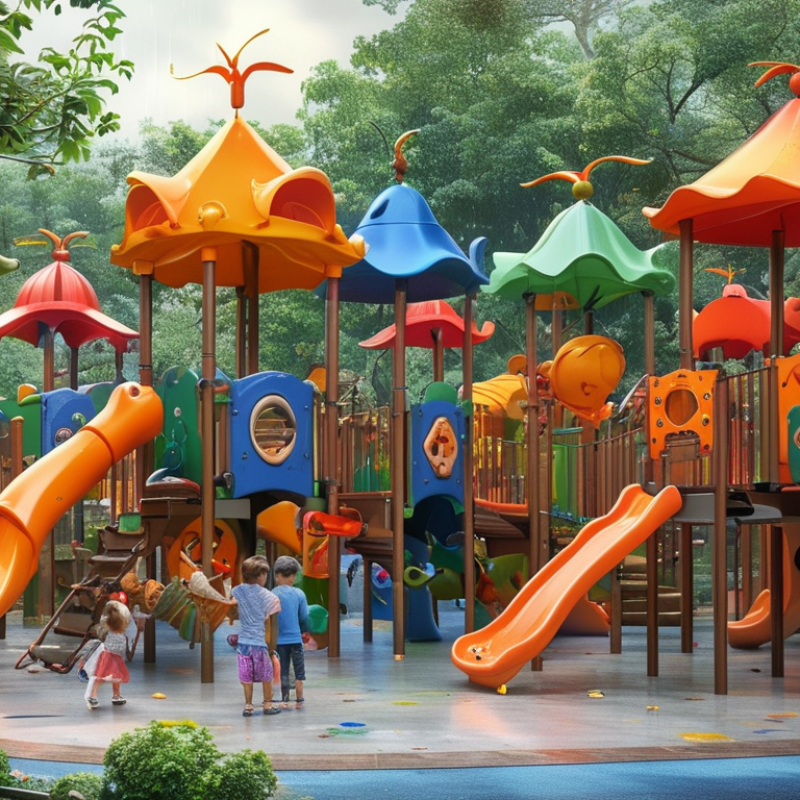
How to Choose the Best Park Play Equipment for Kids?

Factors to Consider When Selecting Park Play Equipment for Kids

Choosing park play equipment for kids involves several important factors. Safety is the primary concern. Ensure that the materials used are non-toxic and durable. Check for sharp edges or small parts that could pose choking hazards. Equipment should be anchored securely to prevent tipping during play.

Accessibility is another key factor. Equipment should accommodate children of all abilities. Consider ramps and low platforms for those with mobility challenges. Colorful designs can engage children and encourage imaginative play.

Think about the age range of potential users. Younger children need less complex structures to explore safely. Older kids may prefer challenging climbing features. Having a mix can encourage social interaction among various age groups. Proper maintenance is crucial too; regular inspections ensure everything remains safe and functional. Adjustments might be needed over time as equipment experiences wear and tear.
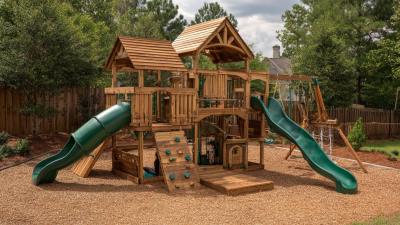
Age Appropriateness of Play Equipment for Different Child Development Stages

Choosing age-appropriate play equipment is crucial for child development. Each stage of a child's growth has specific needs. For toddlers, equipment should focus on balance and coordination. Slides with gentle slopes and small climbing structures are ideal. Studies suggest that play structures for this age group should encourage exploration and motor skill development.

Preschoolers, aged three to five, benefit from more complex play equipment. They are ready for climbing walls and larger slides. Research shows that this age group requires challenge and risk in a safe environment. Interactive games and imaginative play spaces stimulate social skills and creativity. Proper equipment can foster cooperation and communication among peers.

School-aged children need even more challenging options. Their play equipment should focus on teamwork and physical fitness. Structures like obstacle courses can enhance their physical abilities. Evidence indicates that active play reduces childhood obesity risks. A balanced approach to play spaces will improve physical and emotional health. Safety standards remain paramount to ensure all equipment aligns with developmental stages.

Safety Standards and Guidelines for Children's Outdoor Play Equipment

When selecting park play equipment, safety should be a top priority. Outdoor play areas expose children to various risks. Therefore, understanding safety standards is crucial. Equipment must meet guidelines set by organizations that focus on child safety. This includes appropriate materials and designs that minimize injury risks. Inspecting the equipment for sharp edges and sturdy construction is vital. All structures should have a soft surface below to cushion falls.

Regular maintenance is often overlooked. Regular inspections can identify wear and tear that could lead to accidents. Parents should check for any equipment that is missing safety features. They must also ensure that all components are securely attached. Awareness of age-appropriate equipment is another consideration. Equipment should cater to the developmental stages of child play. It is essential to create a safe, engaging environment for physical activity.

Communities sometimes rush the installation of new play structures. This haste can lead to overlooks in safety checks. It’s important for decision-makers to invest time in research and consultation. Involving professionals in the selection process can ensure a higher standard of safety. Children deserve a playful environment that also prioritizes their well-being. Every detail matters in creating a safe haven for exploration and fun.

Durability and Maintenance Requirements of Park Play Equipment

Choosing park play equipment for kids involves careful consideration, especially regarding durability and maintenance. Durable materials significantly reduce the need for frequent repairs. For instance, metal structures resist weather better than wood. However, metal can get hot in direct sunlight, posing risks to children's safety.

Regular maintenance is essential to keep equipment safe and functional. Periodic inspections can help identify wear and tear early. Rust, cracks, or loose parts should be addressed immediately. Maintenance can be time-consuming but is crucial for long-lasting enjoyment. Encouraging community involvement in maintenance can foster a sense of ownership and responsibility.

Ultimately, balancing durability with maintenance needs can be challenging. Equipment must endure heavy use, yet it should also remain safe and appealing. Choosing wisely can lead to lasting benefits, but even well-planned equipment requires diligence in care and upkeep. Engaging with parents and community members can provide valuable insights into the best practices for maintaining park play areas.

Engaging Design Features that Enhance Kids' Play Experience

When selecting park play equipment for kids, engaging design features play a crucial role. Studies show that colorful and interactive designs can significantly increase children's interest in outdoor play. According to the American Journal of Play, vibrant colors can boost cognitive development and physical activity levels among children. This means that choosing equipment with diverse color palettes and interactive components can enhance the overall play experience.

Moreover, incorporating sensory elements into playgrounds has shown promising results. A report by the National Association for the Education of Young Children indicates that sensory-rich environments foster creativity and exploration. Equipment that features varied textures, sounds, and movement patterns encourages children to engage more fully. Features such as climbing walls, spinning elements, and musical panels not only promote physical development but also stimulate imaginative play.

It is important to recognize that not all designs cater to children's diverse needs. While some play structures may look appealing, they might not provide inclusivity. Accessibility for children of all abilities should be considered. Inadequate attention to this aspect can leave some children feeling left out and hinder their play experience. Thoughtful design that includes accessible pathways and adaptive features is essential for fostering a truly inclusive play environment.

How to Choose the Best Park Play Equipment for Kids?

This chart illustrates the popularity of various play equipment features that enhance children's play experiences. The data is based on survey responses from parents and caregivers regarding the most valued design features in park play equipment.