Leave Your Message

2026 How to Choose Daycare Playground Equipment for Safety

Choosing the right daycare playground equipment is crucial for the safety of our children. As noted by early childhood expert Dr. Emily Carter, “The right equipment can create a safe haven for learning and play.” Parents and educators alike must prioritize safety in this aspect.

Every piece of equipment needs to be evaluated carefully. Surface materials should provide sufficient cushioning. Equipment should be appropriate for different age groups. Unfortunately, many daycare centers overlook these details. This can lead to avoidable accidents. Ensuring proper installation and maintenance is essential but often neglected.

Safety standards are vital. Experts recommend following guidelines set by organizations like ASTM and CPSC. However, implementation can be inconsistent. We must reflect on how we can improve our selection process. The goal should be to foster an environment that encourages both safe exploration and physical development. Investing time in thoughtful choices can significantly impact the quality of children's play experiences.
2026 How to Choose Daycare Playground Equipment for Safety

Factors to Consider for Choosing Safe Daycare Playground Equipment

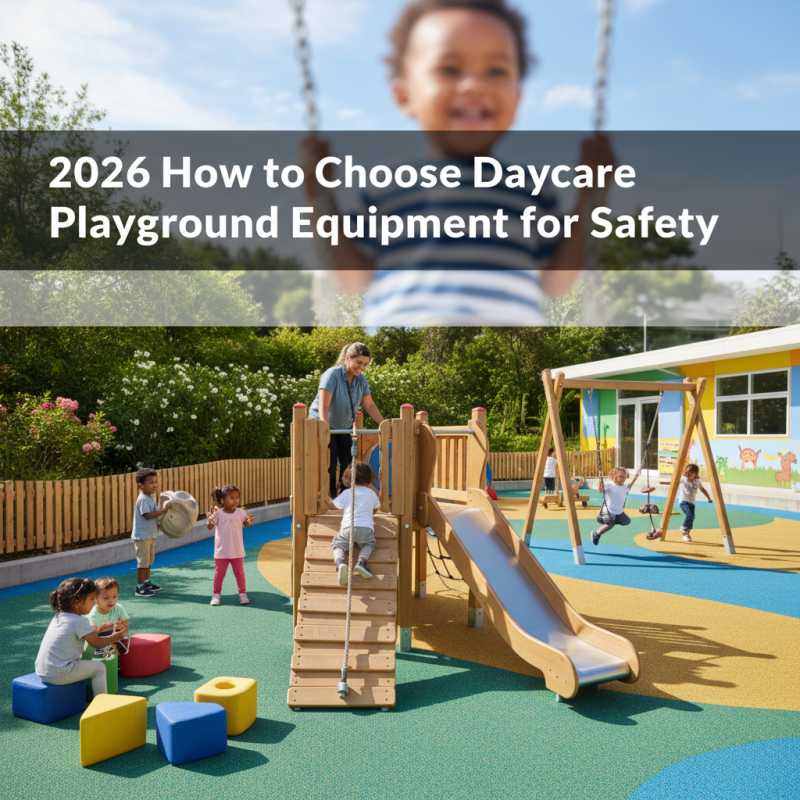
Choosing daycare playground equipment is a critical task. Safety should always come first. Look for materials that are durable and non-toxic. Equipment should be well-constructed to withstand daily use. Inspect for sharp edges and potential pinch points. Soft, rounded corners reduce injury risks.

Think about age-appropriateness. Equipment must match the developmental stages of children. Younger kids need simpler structures. Activities should be engaging without overwhelming them. Supervised play areas encourage exploration while maintaining safety. Always check for safety certifications, which ensure compliance with industry standards.

Consider the layout of the playground. Space should allow for movement and interaction. Avoid overcrowded designs that can lead to accidents. Regular maintenance is necessary to address wear and tear. Flaws might not be immediately obvious, so thorough inspections are essential. Reflect on how equipment affects children's playtime and learning experiences. Safe play fosters confidence and social skills.

2026 How to Choose Daycare Playground Equipment for Safety - Factors to Consider for Choosing Safe Daycare Playground Equipment

Factor Description Importance Level
Material Quality Ensure that materials used are durable and safe for children. High
Age Appropriateness Select equipment designed for specific age groups to prevent accidents. High
Stability Equipment should be securely anchored to the ground to avoid tipping. Medium
Safety Standards Compliance Check for certifications confirming compliance with safety standards. High
Accessibility Equipment should be accessible to all children, including those with disabilities. Medium
Surface Padding Ensure that surfaces are cushioned to prevent injuries from falls. High
Maintenance Requirements Consider ease of maintenance to ensure long-term safety. Medium

Understanding Age-Appropriate Playground Equipment for Children

2026 How to Choose Daycare Playground Equipment for Safety

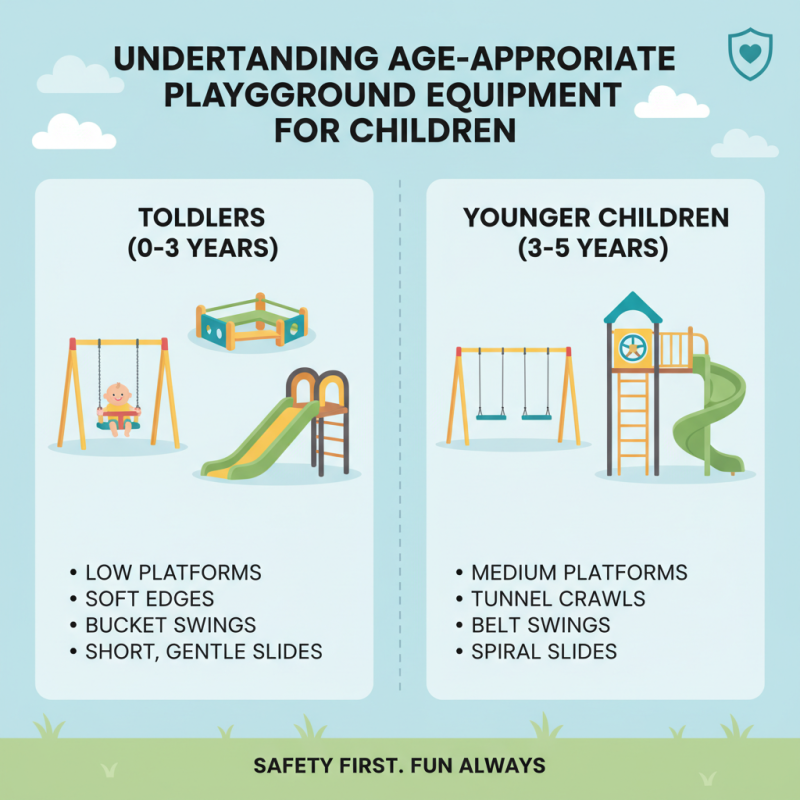
Choosing age-appropriate playground equipment is crucial for children's safety and development. Younger children require equipment that suits their physical abilities and cognitive skills. For toddlers, look for structures with low platforms and soft edges. Swing sets should have bucket seats to provide safety. Slides should be short and not too steep, allowing toddlers to explore without fear.

For preschoolers, the equipment can be a bit more adventurous. Add features like climbing walls and tunnels, but ensure they are designed for smaller bodies. Safety mats should be placed beneath all play structures. Even at this age, supervision is vital. It's common for children to try risky maneuvers, and that’s where accidents can happen.

As children approach their school years, they are ready for more complex equipment. Balance beams and larger slides help develop skills and confidence. However, not all children develop at the same pace. It’s essential to assess individual abilities and limitations when selecting equipment. Some children may feel intimidated or struggle, leading to frustration. Always provide guidance and encouragement. Keeping safety as a priority and being mindful of each child's needs will ensure a safer, more enjoyable play experience.

Materials and Construction Standards for Safe Playground Gear

Safety is paramount when choosing daycare playground equipment. Understanding materials and construction standards can help ensure a safe environment for children. According to the American Society for Testing and Materials (ASTM), playground equipment must be made from materials that can withstand heavy use and weather conditions. For instance, metals should be rust-resistant, and plastics should be UV-stabilized.

One crucial aspect is impact-absorbing surfaces. The Consumer Product Safety Commission recommends materials like engineered wood fiber or rubber mulch to reduce fall-related injuries. These surfaces can effectively cushion falls from heights up to 10 feet, a critical factor for safeguarding active toddlers.

Tips: Always check for certifications. Equipment should meet the latest safety standards. Look for wear and tear regularly, even on seemingly sturdy structures. Routine checks can prevent unforeseen hazards. It’s important to reflect on how design can affect safety. Unconventional structures may be appealing but often require more careful consideration.

Safety Features to Look for in Daycare Playground Equipment

Choosing the right daycare playground equipment is crucial for safety. Safety features should be your primary focus. Look for durable materials that can withstand heavy use and weather conditions. Equipment should be free from sharp edges and pinch points. Choose items with rounded corners to minimize injury risk. Safety surfacing is equally important. Look for soft materials like rubber matting, which can absorb impact and reduce falls.

When assessing equipment, consider the age group it serves. Equipment should cater to the developmental stages of children. For younger kids, choose lower platforms and smaller slides. For older children, ensure there are climbing structures that challenge them safely.

Tips for parents and caregivers: Always supervise children on the playground. Encourage them to play safely and follow rules. Regularly inspect the equipment for wear and tear. One overlooked issue might be loose screws. Check and tighten them regularly to ensure safety. A few small changes can make a huge difference. Be proactive about playground safety.

Maintenance Practices to Ensure Long-term Playground Safety

Maintaining playground equipment is crucial for safety. According to the U.S. Consumer Product Safety Commission, over 200,000 children visit emergency rooms due to playground-related injuries each year. Regular maintenance practices can significantly reduce these numbers. Inspections should be conducted at least once a month. Signs of wear can often go unnoticed, leading to unsafe play conditions.

Ensure that surfaces are free of sharp objects. Check for rust on metal structures. Wood components should be inspected for splinters or decay. It is recommended that any damaged parts be replaced immediately. A 2021 study from the National Program for Playground Safety revealed that 75% of playground injuries are due to inadequate maintenance.

Proper drainage is essential to prevent mud accumulation. Wet conditions can lead to slips and falls. Regular cleaning can also deter pests. Investing in quality materials initially can save costs in the long run. However, ongoing maintenance often requires time and resources that may be underappreciated or overlooked. Each playground has unique needs, and it is essential to customize maintenance schedules accordingly.

2026 Daycare Playground Equipment Safety and Maintenance Statistics