Top Small Playground Equipment Ideas for Fun and Safety?
Creating an engaging and safe playground environment is crucial for children’s growth. According to Sarah Johnson, a leading expert in the Small Playground Equipment industry, "Quality equipment enhances play while prioritizing safety." Her insights guide many when selecting the right equipment.
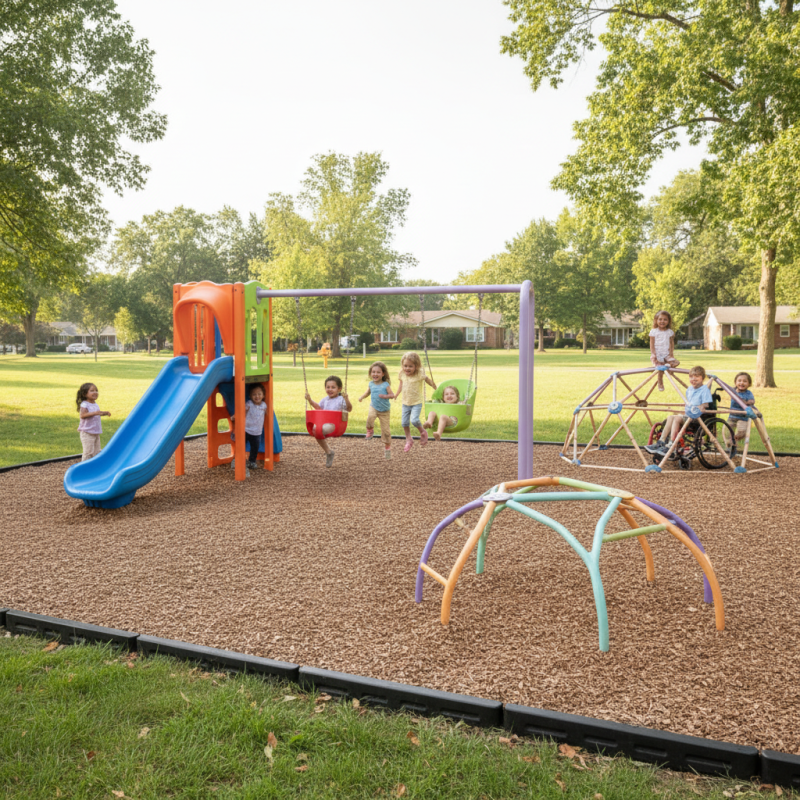
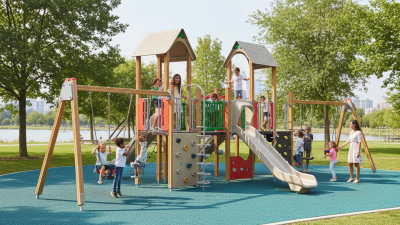
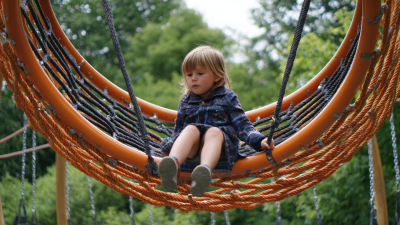
Small Playground Equipment includes slides, swings, and climbing structures. Choosing the right components can maximize joy and minimize risks. However, it’s easy to overlook important safety features or durable materials. A vibrant, well-designed space captivates children but requires careful planning for safety compliance.
Inclusive design is essential. Equipment should cater to various ages and abilities. Consideration of this can significantly impact children's experiences. Parents often face confusion while selecting products that balance fun and safety. Reflecting on choices and seeking expert advice can lead to better outcomes.
Essential Features of Small Playground Equipment for Safety
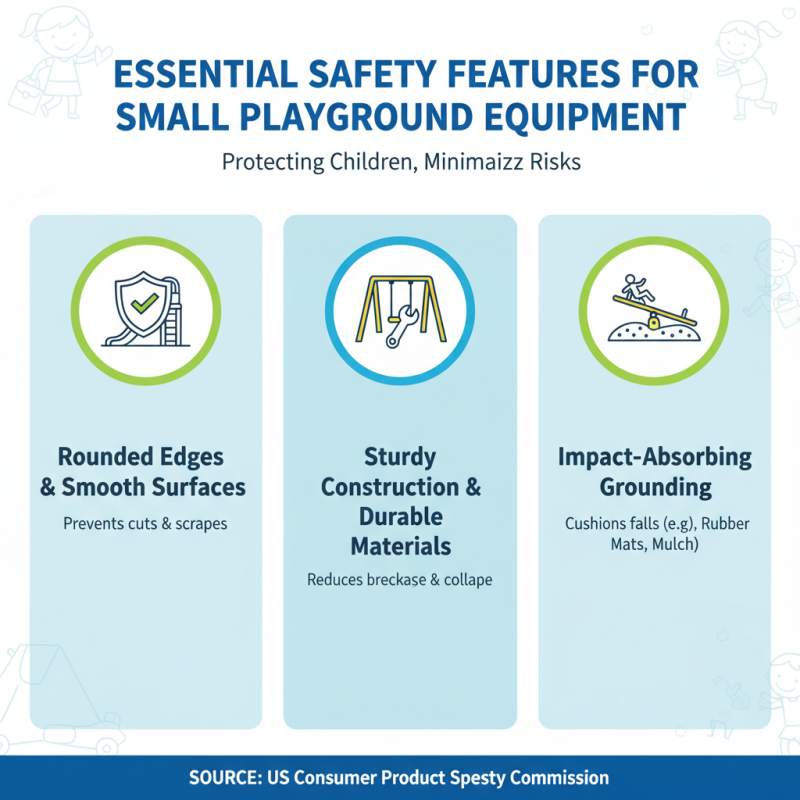
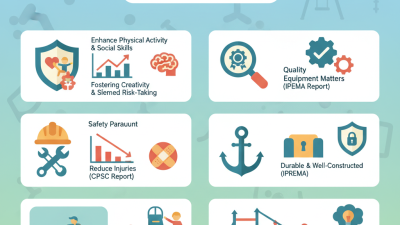
When selecting small playground equipment, safety features must be a priority. According to the U.S. Consumer Product Safety Commission, over 200,000 children visit hospital emergency rooms each year due to playground injuries. Ensuring that equipment adheres to safety standards can significantly minimize risks. Features such as rounded edges and sturdy construction reduce the potential for injuries. Installing soft, impact-absorbing surfaces like rubber mats or mulch helps cushion falls, which is critical for a safe play environment.
Another essential aspect is the height of the equipment. A report from the National Program for Playground Safety states that structures should not exceed a height of 6 feet for small playgrounds. A lower structure allows younger children to play safely without the risk of severe falls. Additionally, equipment should be spaced appropriately to prevent collisions. The recommended space of 6 feet between structures helps ensure children can play without overcrowding.
Accessibility is also crucial. Playground equipment should cater to children of all abilities. Inclusive designs encourage participation and foster social skills among all children. This can include wheelchair-accessible ramps and sensory-friendly features. Balancing fun with safety and accessibility is vital. Striving for these standards enhances children's play experiences while prioritizing their well-being.
Creative Ideas for Small Playground Structures That Promote Fun
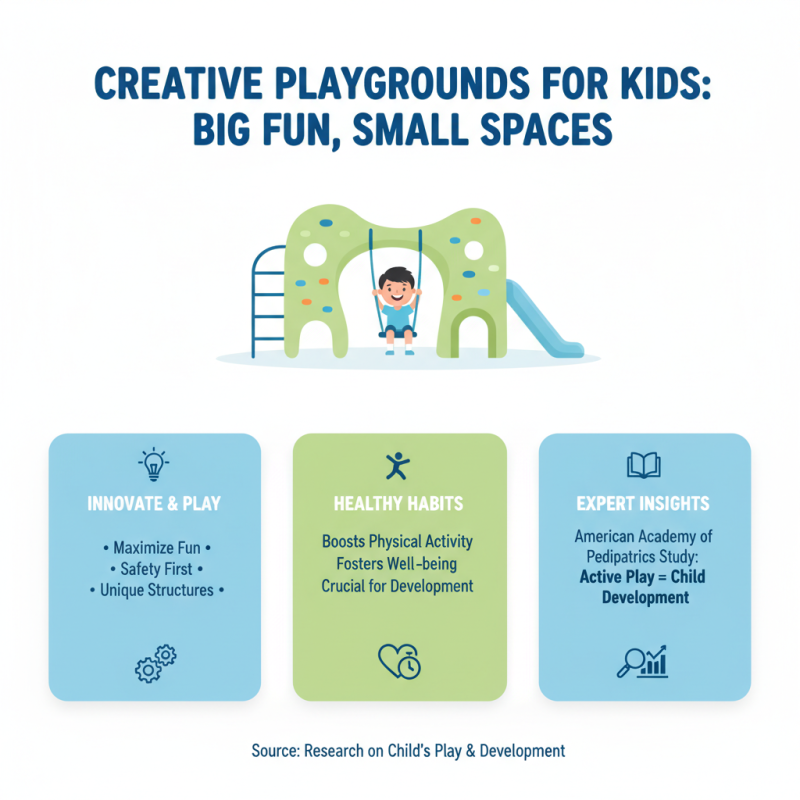
When designing small playgrounds, creativity is key. Innovative structures can maximize fun while ensuring safety for all young users. Research shows that well-planned playgrounds boost children's physical activity, fostering healthier lifestyles. A study conducted by the American Academy of Pediatrics emphasizes that active play is crucial for children's development.
Consider adding multifunctional equipment. Compact climbing walls promote strength and coordination without occupying much space. Slide-swings allow for both sliding and swinging, encouraging interactive play. Integrating sensory paths with textured surfaces can provide sensory stimulation. These features engage children, which is essential for their cognitive growth.
Safety remains a top priority. Use soft, impact-absorbing materials for surfaces to reduce injury risks. According to the National Program for Playground Safety, approximately 200,000 children are treated for playground injuries each year. Regular maintenance and inspections are vital. Periodically evaluating the condition of equipment ensures a secure play environment. Balancing creativity and safety is challenging. Continuous reflection on equipment designs can enhance overall enjoyment and protect young explorers.
Selecting Safe Materials for Small Playground Equipment Construction
When selecting materials for small playground equipment, safety should be the top priority. Choose non-toxic, durable materials that can withstand weather changes. Metals, plastics, and wood are common choices. However, wood must be treated properly to avoid splinters. Metal needs to be coated to prevent rust. These surface conditions can impact safety.
Moreover, consider the environment where the playground will be installed. If it's in a sunny area, UV-resistant materials are crucial. In damp locations, materials that resist mold and mildew are essential. Always inspect materials for sharp edges or weak spots. Regular maintenance checks are vital to ensure long-term safety. Equipment wear can lead to accidents.
While creativity in playground design is important, safety can't be compromised. It’s worthwhile to reflect on past incidents involving equipment failures. Learning from these cases can guide better material choices and designs. Safety and fun can coexist, but only with careful planning and mindful selection of materials. Prioritize children's safety over aesthetic appeal.
Top Small Playground Equipment Ideas for Fun and Safety
Designing Space-Efficient Play Areas for Maximum Enjoyment
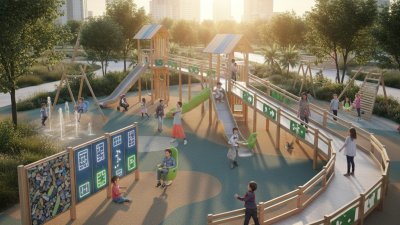
Designing small playgrounds requires creativity and careful planning. It’s essential to maximize every square foot while ensuring safety and enjoyment for children. Use multi-functional equipment like swings that can double as slides or climbing structures. This approach helps maintain a play area that feels vast and engaging.
In small spaces, consider incorporating natural elements. Trees, boulders, or flower beds can spark curiosity and imagination. Use these features to create zones for different activities. It’s not just about having equipment; it’s about fostering exploration. But remember, balance is vital. Too many elements can create confusion.
Emphasize safety through smart design. Use soft materials for surfaces like rubber tiles or artificial grass. Check equipment regularly for wear and tear to prevent accidents. Encourage parents to take part in playtime, as their involvement benefits physical and social growth. Not all designs will be perfect; learning from challenges can lead to better ideas.
Incorporating Inclusive Play Options for Children of All Abilities
Playgrounds should be welcoming to all children, regardless of their abilities. Incorporating inclusive play options is essential for creating a safe and fun environment. Research indicates that around 1 in 6 children have developmental disabilities, making it vital to design spaces that embrace inclusivity. According to a report by the National Center for Children with Disabilities, inclusive play promotes social skills and cognitive development.
One way to enhance accessibility is by providing ramps and surfaces that accommodate wheelchairs. Sensory-rich equipment, like tactile panels or interactive musical elements, invites exploration. Fostering connections among children of varied abilities can lead to lasting friendships. Consider adding elements that engage different senses and encourage cooperative play.
Tip: Ensure your playground features a variety of equipment suited for all skill levels. Safety mats and shaded areas are important for comfort. Observe how children interact with each piece of equipment. This reflection can lead to better design choices that cater to diverse needs. Creating an inclusive playground is about evolving and adapting to what works best for every child.
Top Small Playground Equipment Ideas for Fun and Safety - Incorporating Inclusive Play Options for Children of All Abilities
| Equipment Type |
Description |
Age Range |
Inclusion Features |
| Accessible Swings |
Swings designed for children with mobility challenges, featuring a supportive seat. |
2-12 years |
Harnesses and supportive backrests. |
| Sensory Play Panels |
Interactive panels that engage multiple senses with various textures and sounds. |
All ages |
Auditory and tactile features for sensory engagement. |
| Adaptive Climbing Walls |
Climbing walls designed for varying abilities with multiple routes and grips. |
5-15 years |
Adjustable holds and safety features. |
| Wheelchair Accessible Merry-Go-Round |
A merry-go-round designed for easy access for children in wheelchairs. |
3-12 years |
Seating for wheelchair users and support bars. |
| Inclusive Play Structures |
Play structures that incorporate ramps, slides, and open spaces for all children. |
2-10 years |
Wide access points and tactile elements. |
 +86-13901441113

 CONTACT NUMBER
 CONTACT NUMBER