+86-13901441113


When selecting the right Playground Systems, buyers face numerous challenges. The market offers a wide range of options. Each system boasts unique features and benefits. Understanding these elements is crucial for informed decision-making.
Playground Systems are not just about fun; they also promote physical development. Safety should be a priority in every choice. Yet, not all products meet rigorous safety standards. Some systems may lack proper certifications, leading to potential risks. Knowledge of industry standards can help buyers avoid pitfalls.
Additionally, buyers should consider longevity and maintenance. Some systems may look appealing but require frequent repairs. A thorough evaluation of durability is essential. Personal experiences shared by other buyers can provide valuable insights. Always research thoroughly before investing in a playground. Make your choice count for both fun and safety.
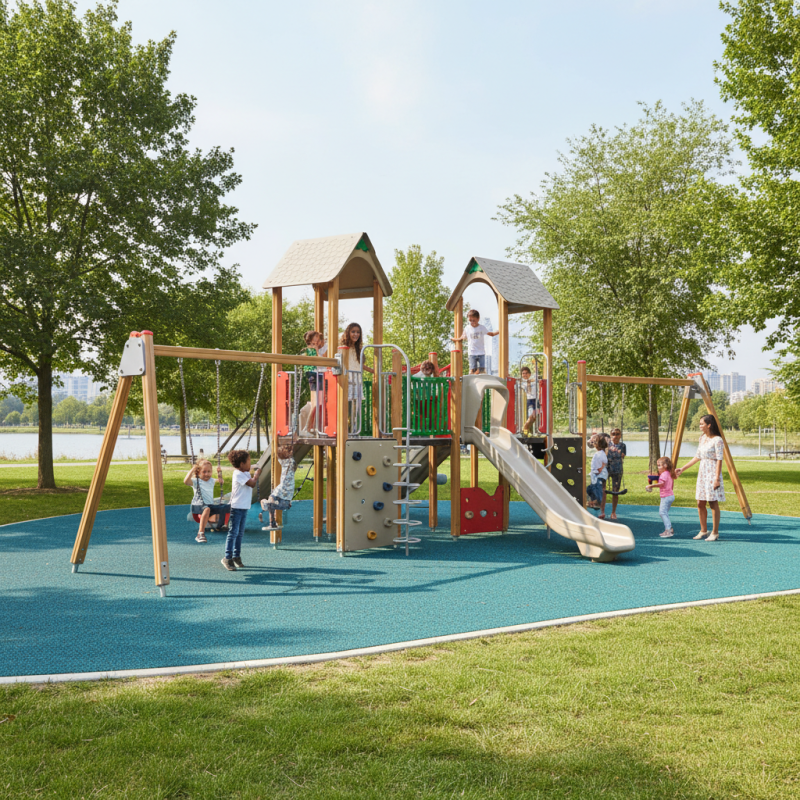
Playground systems play a vital role in child development. Outdoor play areas encourage children to explore their surroundings. They foster creativity and imagination. When children climb, slide, and swing, they develop their physical skills. These activities help improve balance and coordination. It’s essential for children to engage with various types of equipment that challenge them.
Social skills also benefit from playground interactions. Children learn to share and take turns while playing games. They navigate conflicts and build friendships. However, not all playgrounds provide safe environments. Parents should inspect equipment regularly. Sharp edges, loose parts, and inadequate safety measures can pose risks. It’s important to create a space where children feel safe to explore and learn.
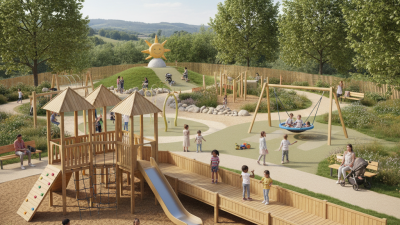
Moreover, connecting with nature is crucial too. Some playgrounds incorporate natural elements like trees and rocks. These additions enhance the sensory experience. They encourage imaginative play that is not always possible in traditional settings. While many playgrounds promote fun, not all provide a learning experience. Reflecting on these aspects can help spread awareness about the importance of effective playground systems.
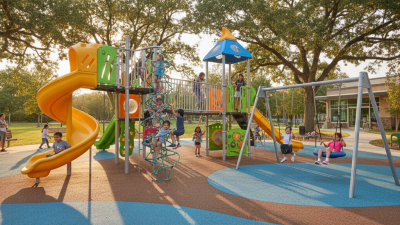
This chart highlights key factors that playground system buyers should consider. Each dimension is rated on a scale from 1 to 10 based on its importance to child development and overall playground functionality.
When choosing playground equipment, safety should be a top priority. Look for materials that are durable and non-toxic. Ensure there are no sharp edges or small parts that can pose choking hazards. Check for compliance with safety standards to give parents peace of mind.
It's essential to consider the play value of the equipment. This means looking for features that encourage creativity and physical activity. Playgrounds should cater to different age groups and abilities. Structures should be adaptable to various play styles. A mix of climbing, sliding, and interactive play components makes an engaging environment.
Tips: Engage children in the selection process. Their input can highlight fun features that adults might overlook. Assess how much space you have available. Too often, equipment that looks great simply doesn’t fit. Finally, reflect on the maintenance needs of different materials. Metal structures may require painting, while wood might need sealing. Consider these factors to ensure long-term satisfaction with your investment.
| Feature | Description | Importance | Typical Range |
|---|---|---|---|
| Safety Standards | Compliance with ASTM and CPSC guidelines | Essential for child safety | Meets local regulations |
| Material Quality | Durable materials to withstand weather | Long-term investment | Metal, wood, polyethylene |
| Age Appropriateness | Designed for specific age groups | Ensures suitable play experiences | Toddlers, preschoolers, school-age |
| Accessibility | Features for children with disabilities | Inclusivity in play | Ramps, tactile elements |
| Space Requirements | Dimensions needed for installation | Important for design layout | Varies by equipment type |
| Maintenance Needs | Frequency and type of upkeep required | Affects longevity of equipment | Monthly to yearly checks |
| Customization Options | Ability to personalize equipment | Enhances user engagement | Colors, themes, configurations |
| Warranty Information | Details on product guarantees | Protection against defects | 1 to 5 years typically |
| Play Value | Variety of activities available | Encourages physical and social skills | Balance, climbing, sliding |
| Cost | Total budget for equipment purchase | Critical for purchasing decisions | $500 to $50,000+ |
When it comes to playground installations, safety standards are a primary concern. Different countries have various guidelines to ensure that playground systems provide a safe environment for children. In the United States, the Consumer Product Safety Commission (CPSC) lays out clear standards. These include guidelines on equipment design, material choices, and installation procedures. Understanding these standards can help buyers make informed decisions.
In addition to the CPSC guidelines, the American Society for Testing and Materials (ASTM) also offers vital specifications. These regulations cover impact absorbency of the surfaces beneath the equipment. When choosing playground units, buyers must ensure that the materials used, like rubber or wood chips, meet these safety criteria. Failure to comply with these standards may lead to risks of injuries.
Regular inspections and maintenance are equally important. Once installed, playgrounds require ongoing assessment to ensure they remain safe over time. Wear and tear can compromise safety features, making vigilance crucial for caretakers. Not every playground will meet these safety standards perfectly. Being aware of these potential shortcomings is essential when overseeing any recreation area.
When exploring playground systems, understanding the various types available is crucial for making informed decisions. Traditional play structures often consist of slides, swings, and climbing apparatuses. According to the National Association of State Boards of Education, 70% of children benefit from physical play. Properly designed structures can foster physical and social skills.
Natural playgrounds are gaining popularity, creating a blend of nature and play. Research by the University of Illinois found that children engage more and exhibit increased creativity in these environments. Features like logs, boulders, and plants provide diverse sensory experiences. However, the safety standards for such setups can be less clear, which necessitates careful planning.
Inclusive playground systems ensure children of all abilities can play together. The Universal Design principles suggest that incorporating adaptive swings and tactile paths increases engagement. A report from the National Center on Accessibility indicates that such features can lead to 30% more active playtime, underscoring the importance of equitable access. However, ensuring compliance with the Performance Guidelines can be challenging, highlighting areas for continuous improvement in playground design.
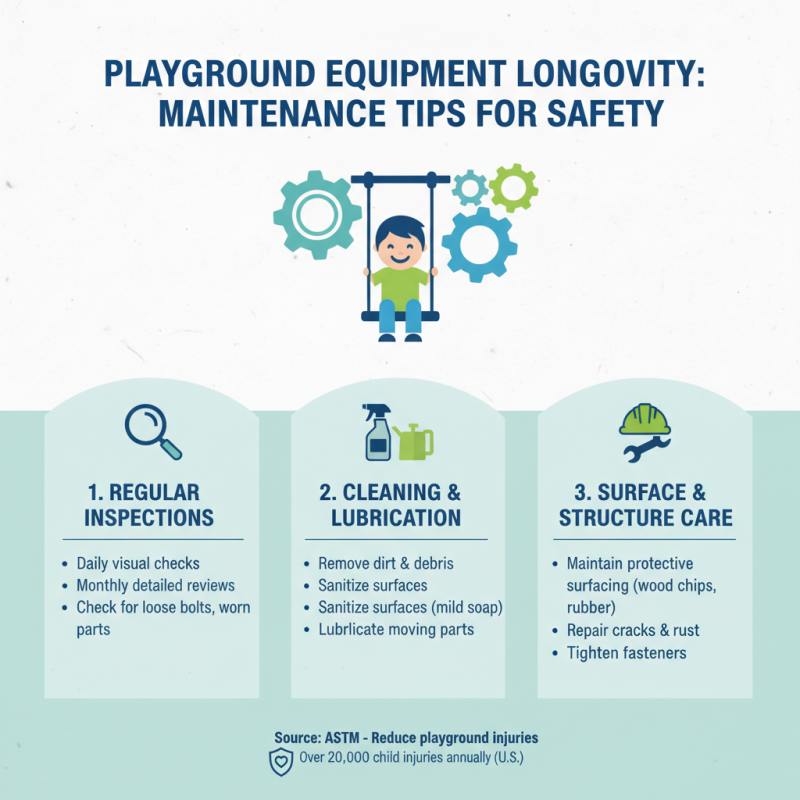
Playground equipment is essential for child development. However, it requires regular maintenance to ensure safety and longevity. According to the American Society for Testing and Materials (ASTM), approximately 20,000 children are treated for playground-related injuries annually. Regular inspections can reduce this risk significantly.
Inspect all components weekly. Check for rust, loose bolts, or damaged surfaces. The U.S. Consumer Product Safety Commission emphasizes the importance of using appropriate safety materials. Proper surfacing, such as mulch or rubber mats, can minimize injuries. Ensure the equipment follows recommended guidelines set by the National Association of State Boards of Education.
Cleaning is equally important. Remove debris and ensure that no harmful substances are present. A study from the International Playground Equipment Manufacturers Association notes that neglected maintenance can increase repair costs by 200%. Regular upkeep not only enhances safety but also prolongs the lifespan of the equipment. In the long run, investing time and effort in maintenance saves money and ensures a safe play environment for children.