Leave Your Message

What Is an Outdoor Playground Slide?

An Outdoor Playground Slide is more than a bright path from a platform to the ground. It is a carefully designed play structure that combines movement, height, speed, and controlled risk. Children climb, pause, sit, and descend through one connected experience. The slide may be straight, curved, spiral, tunnel-shaped, stainless steel, plastic, or molded from fiberglass. Each design changes how children move and respond.

Joe Frost, a respected playground researcher, described play as “serious business for children.” His words explain why slide design deserves careful attention. A well-planned Outdoor Playground Slide should match children’s ages, physical abilities, and expected play behavior. It needs a stable platform, secure handholds, smooth transitions, and an exit area that reduces collision risks. The surrounding surface also matters. Engineered wood fiber, rubber tiles, or deep loose-fill materials can soften falls when properly installed and maintained.

Small details matter.

A loose bolt, rough edge, or poorly drained landing zone can quickly change a positive experience. Regular inspections should check fasteners, cracks, heat exposure, corrosion, and surface depth. Adult supervision remains important, although supervision cannot replace sound design. No slide is completely risk-free. That is worth admitting. The goal is not to remove every challenge, but to manage foreseeable hazards responsibly. This guide examines what an Outdoor Playground Slide is, how its major parts work, and what buyers, operators, and families should consider before choosing one. Personal experience on a playground may feel convincing, but professional evaluation and documented maintenance provide stronger evidence.
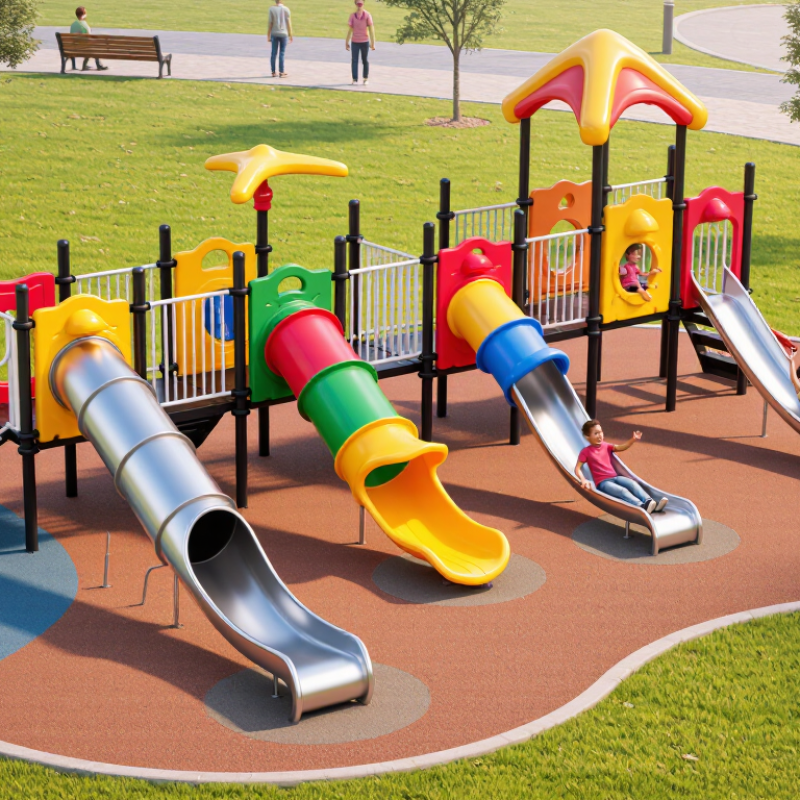
What Is an Outdoor Playground Slide?

Definition and Purpose of an Outdoor Playground Slide

What Is an Outdoor Playground Slide?

Definition and Purpose of an Outdoor Playground Slide

An outdoor playground slide is a fixed play structure designed for children to move from a higher platform to the ground. It usually includes steps, a climbing route, side barriers, and a smooth sliding surface. Its main purpose is active play. Children practice balance, coordination, body control, and confidence while using it. The experience also encourages turn-taking and simple social interaction. A slide can be straight, curved, low, or gently raised. Its design should match the users’ ages and abilities.

Tips: Check the slide before use. Look for loose bolts, sharp edges, hot metal, cracked plastic, or standing water. Keep the landing area clear. Children should wait until the previous user has moved away. Younger children may need close adult supervision, even on a low slide. That small pause matters.

Good playground planning also considers shade, drainage, fall-absorbing surfacing, and comfortable access. A slide should not end beside a wall, tree, bench, or crowded pathway. In practice, no slide is completely risk-free. I sometimes think the safest design is not the most exciting one, but that judgment can be too simple. Children need challenge, yet the challenge must remain suitable and observable. Regular inspections help staff notice wear before a small problem becomes a serious hazard. Temperature matters too. Dark surfaces can become painfully hot under strong sunlight, while wet surfaces may reduce grip and control.
Main Parts and How a Playground Slide Works

What Is an Outdoor Playground Slide?

Main Parts and How a Playground Slide Works

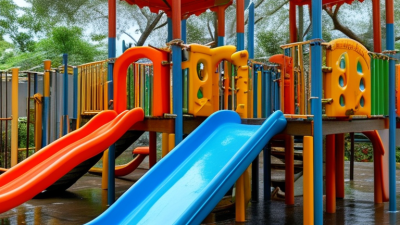
An outdoor playground slide is a structure that converts height into controlled movement. Children climb upward, sit, and descend along a smooth sliding surface. Its main parts include the platform, access ladder or steps, slide bed, side rails, handgrips, and exit zone. A sturdy frame supports the equipment and transfers weight safely into the ground.

The platform creates the starting height. Steps or climbing grips provide access, while handrails help children maintain balance. The slide bed guides the body downward through gravity. Side walls reduce sideways movement and help prevent falls. At the bottom, the exit section should slow the user before reaching the protective surfacing. The U.S. Consumer Product Safety Commission identifies falls as the leading source of playground injuries, so these small design details matter. Its injury data summaries also report more than 200,000 playground-related emergency visits among children each year in the United States.

Professional standards add another layer. ASTM F1487 addresses playground equipment design, materials, installation, and performance. The CPSC Public Playground Safety Handbook also recommends impact-absorbing surfacing beneath and around slides. In practice, I have found that drainage, loose bolts, hot metal, and worn edges deserve regular attention. A slide may look secure while its exit area becomes unsafe. No inspection is perfect. Children also use equipment in unexpected ways, which means supervision and scheduled maintenance remain essential.

Common Types of Outdoor Playground Slides

What Is an Outdoor Playground Slide?

Common Types of Outdoor Playground Slides

Outdoor playground slides are raised play structures designed for controlled descent. They usually include steps, climbing platforms, handrails, and a smooth sliding surface. Their shapes affect speed, balance, and the amount of adult supervision needed.

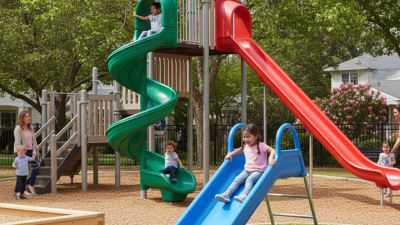
Straight slides are the most common type. They provide a simple, predictable ride for younger children. Wave slides add small rises and dips, creating gentle changes in speed. Spiral slides turn around a central post and need extra space near the exit. Tube slides enclose the rider, which can feel exciting but may reduce visibility for caregivers. Roller slides use many rotating cylinders, although they require careful maintenance because dirt can affect movement.

Each type suits different ages and abilities. A low, wide slide can support beginners, while a taller structure may challenge confident climbers. During a practical safety check, inspect the platform, guardrails, fasteners, and landing area. The exit should be clear, soft, and free from standing water. Shade also matters. Hot metal and plastic can cause skin injuries on sunny afternoons.

I once underestimated how quickly a wet slide could become. That detail deserves more attention. Regular checks should look for cracks, sharp edges, loose bolts, fading surfaces, and worn protective flooring. Weather, heavy use, and poor drainage can change a slide’s safety even when its design seems sound.

Materials, Design Features, and Age Considerations

What Is an Outdoor Playground Slide?

An outdoor playground slide is a raised play structure designed for controlled, seated movement from a platform to the ground. Its materials affect safety, comfort, durability, and maintenance. Powder-coated steel supports resist weather and repeated use. High-density plastic creates smooth sliding surfaces and rounded edges. Some slides combine both materials for strength and easier cleaning. Wood can look natural, but it needs careful sealing and regular inspection for splinters, cracks, or moisture damage.

Design features should guide children without making play feel restrictive. Wide steps, secure handrails, and stable platforms support climbing. High side walls help younger children remain centered during the ride. A gentle slope usually suits toddlers, while older children may manage longer or steeper slides. The landing zone needs impact-absorbing surfacing and clear space around the exit. Small details matter. A hot metal surface can cause discomfort, even when the structure appears well maintained.

Tips: Match the slide to the child’s age range and physical confidence. Check bolts, joints, edges, and surface temperature before play. Follow the installation and maintenance guidance supplied with the equipment. Adult supervision remains important, especially near crowded exits. I have found that children often use slides differently than adults expect. They may climb upward or wait too close to the landing area. Design reduces these risks, but it cannot remove them completely. That limitation deserves honest attention.

What Is an Outdoor Playground Slide?

An outdoor playground slide is a sloped play structure that allows children to descend from an elevated platform. Common slide materials include rotationally molded HDPE plastic, stainless steel, fiberglass, and coated metal. Important design features include guardrails, handrails, smooth low-friction surfaces, secure platforms, safe exit zones, and protection against head or body entrapment.

Age consideration: The chart shows the maximum recommended slide platform heights commonly referenced in U.S. public playground safety guidance. Preschool equipment is generally designed for children ages 2–5, while school-age equipment is intended for children ages 5–12. Actual suitability depends on the complete structure, installation, surfacing, supervision, and applicable local safety standards.

Safety Standards, Proper Use, and Routine Maintenance

What Is an Outdoor Playground Slide?

An outdoor playground slide is a raised play structure that lets children descend safely along a smooth, controlled path. Its safety depends on more than strong plastic or metal. The platform, steps, handrails, slide surface, and landing area must work together. During routine site checks, inspectors should compare the equipment with current local playground safety standards. These standards commonly address guardrails, fall zones, impact-absorbing surfacing, entrapment hazards, sharp edges, and structural stability.

Proper use begins with age-appropriate play. Children should climb the designated steps, sit facing forward, and slide one at a time. Standing, climbing upward, pushing, or carrying objects can cause avoidable injuries. Adults should supervise closely, especially near the platform and exit. The slide surface can become dangerously hot under direct sunlight. A quick hand check helps. It is a small action.

Routine maintenance requires more than tightening visible bolts. Staff should inspect fasteners, welds, handrails, anchors, drainage, and protective surfacing. Look for rust, cracks, loose parts, splinters, fading, and exposed foundations. Keep the exit area clear of stones, toys, and standing water. Record each inspection and remove damaged equipment from use until qualified personnel assess it. A common mistake is checking only after complaints. Weather can create hazards quietly. Even careful teams may miss a minor crack, so independent inspections and regular staff training remain valuable.

What Is an Outdoor Playground Slide? - Safety Standards, Proper Use, and Routine Maintenance
Data Dimension Safety or Operating Topic Verified Guidance and Practical Data Recommended Inspection Frequency Action or Acceptance Indicator
Definition Outdoor playground slide A fixed playground component with an elevated starting platform and a sloped sliding surface designed to let children descend in a controlled manner. Before every use Safe for intended use when the structure is stable, the slide surface is intact, and the exit area is clear.
Equipment Design Slide layout and access The access route should include a stable platform, steps, a ladder, or another age-appropriate climbing element. The sliding path should not contain protruding bolts, sharp edges, or objects that can catch clothing. Monthly and after severe weather Remove from use if the access system or slide path has a structural or entanglement hazard.
Applicable Standards Public playground safety framework Public playground equipment is commonly evaluated against jurisdictional requirements and recognized guidance such as ASTM F1487 in the United States or EN 1176 in Europe. The applicable edition and local regulations should be confirmed before installation or inspection. During design, installation, and periodic audits Document compliance with the standard and regulations applicable to the installation location.
Fall Protection Protective surfacing Use impact-attenuating surfacing below and around the slide and other elevated equipment. Common systems include engineered wood fiber, loose-fill rubber, rubber tiles, poured-in-place surfaces, and other tested materials. Daily visual check; detailed check monthly Maintain coverage and replace or redistribute surfacing when displacement, wear, or exposed hard ground is found.
Fall Protection Surface performance The surfacing system should be selected and maintained for the equipment’s fall height and should be tested or certified according to the applicable local requirements. Loose-fill materials can compact or migrate away from high-use areas. Monthly and after heavy rain or snow Correct immediately if the surface is compacted, eroded, frozen, contaminated, or below the specified depth.
Safe Use One child at a time Unless the slide is specifically designed for multiple users, children should slide one at a time and wait until the exit area is clear before starting. Every use Supervise younger children and enforce orderly use of the platform and slide.
Safe Use Correct sliding position Children should sit facing forward, keep hands and feet inside the slide, and avoid standing, climbing upward, sliding headfirst, or stopping in the sliding path. Every use Stop unsafe behavior and provide age-appropriate instructions before use continues.
Safe Use Clothing and personal items Remove bicycle helmets, drawstrings, scarves, loose straps, and other items that may become caught. Clothing should not include unsecured cords near the neck or upper body. Every use Do not use the slide until entanglement risks have been removed.
Age and Ability Age-appropriate operation Use only equipment suitable for the child’s age, size, and physical ability. Toddler slides and school-age slides may differ in height, access design, guard protection, and intended user group. Before every use Follow posted limits and provide active supervision where required.
Temperature Hot or cold surfaces Metal and dark-colored surfaces can become hot enough to cause skin burns in direct sunlight. Very cold, wet, icy, or snow-covered surfaces can also increase injury risk. Before use and during hot weather Close temporarily or cool, dry, and clear the slide before allowing use.
Structural Safety Anchors, fasteners, and supports Inspect posts, welds, bolts, anchors, platforms, handrails, barriers, and connections for looseness, corrosion, cracking, movement, or missing parts. Weekly visual check; monthly hands-on inspection Tag out equipment when instability, severe corrosion, cracking, or missing hardware is present.
Slide Surface Sliding path condition The slide bed and side sections should be smooth, continuous, securely connected, and free from sharp edges, cracks, holes, excessive wear, and unauthorized modifications. Daily visual check; monthly detailed inspection Repair or replace damaged components before reopening the slide.
Exit Area Clear landing zone The exit should remain unobstructed and should not contain benches, rocks, toys, standing water, exposed foundations, or other trip and impact hazards. Before opening and throughout operating hours Keep clear so users can leave the slide without colliding with another child or object.
Hygiene Cleaning and contamination control Remove litter, animal waste, food residue, standing water, and other contamination. Clean surfaces with methods compatible with the material and local public-health requirements. Daily and whenever contamination is reported Restrict access until the contaminated area has been safely cleaned.
Weather Response Storm and environmental damage Inspect the equipment after strong wind, lightning, flooding, heavy rain, snow, ice, or nearby construction activity. Check for shifted surfacing, fallen branches, undermining, and structural movement. After each severe weather event Reopen only after inspection confirms that the slide and surrounding area are stable and clear.
Maintenance Records Inspection and repair log Record inspection dates, identified defects, corrective actions, replacement parts, surfacing checks, responsible personnel, and the date equipment was returned to service. Every inspection and repair Maintain records to demonstrate consistent care and support recurring maintenance planning.
Professional Review Competent-person assessment Periodic comprehensive inspections should be completed by a person with suitable playground-safety training and knowledge of the applicable standard, especially after major repairs or modifications. At least annually or as required locally Schedule corrective work based on documented risk severity and applicable regulations.