Top Preschool Outdoor Play Ideas for Global Buyers?
In recent years, "Preschool Outdoor Play" has gained recognition for its vital role in child development. Experts emphasize the importance of outdoor play in shaping young minds. Dr. Linda Carter, a renowned child development specialist, states, “Outdoor play is essential for fostering creativity, independence, and physical health in preschool children.” Her insights highlight the growing acknowledgment of outdoor activities as a fundamental aspect of early education.
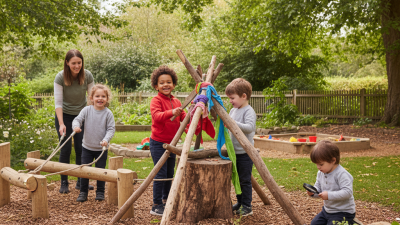
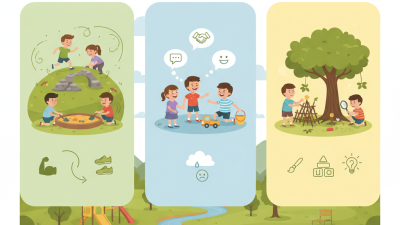
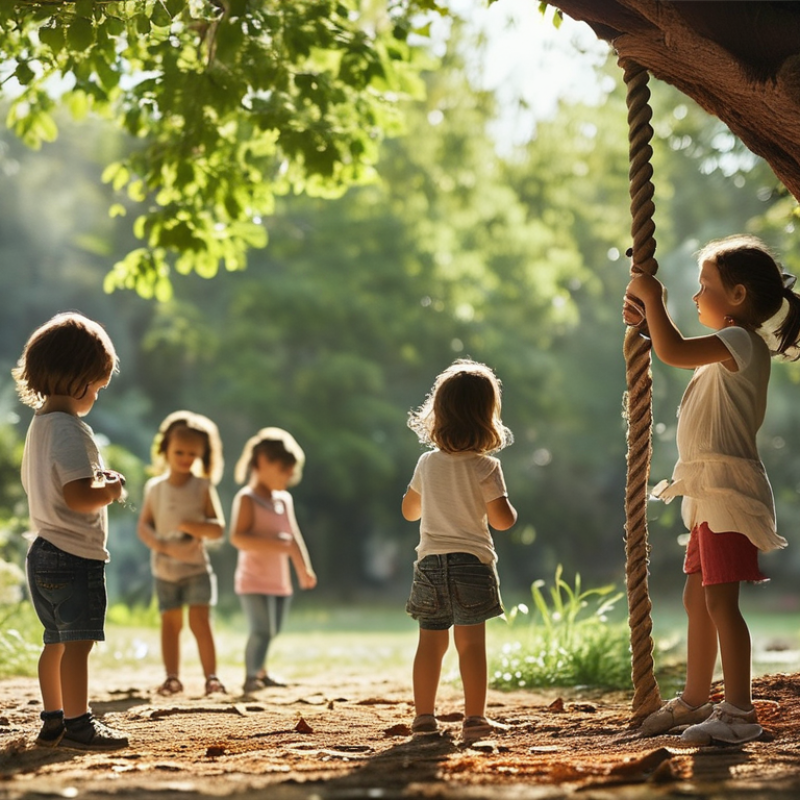
Engaging in preschool outdoor play can significantly enhance children’s social skills and physical abilities. Activities such as climbing, running, and imaginative play foster teamwork and communication among young children. Children develop confidence as they navigate different environments. This hands-on approach to learning encourages exploration and curiosity.
However, there's an ongoing challenge. Not every preschool adequately utilizes outdoor space. Budget constraints often limit access to quality outdoor play areas. Educators and parents must advocate for more resources. This gap prompts a reflection on the commitment to providing holistic learning experiences. Prioritizing outdoor play is not just a trend; it's essential for nurturing well-rounded future generations.
Innovative Outdoor Play Ideas for Preschoolers Around the World
Outdoor play is crucial for preschoolers. It encourages physical, social, and cognitive development. Research shows that children aged 3-5 need at least 60 minutes of outdoor play daily to support health and well-being. Many innovative outdoor play ideas can take shape around the globe.
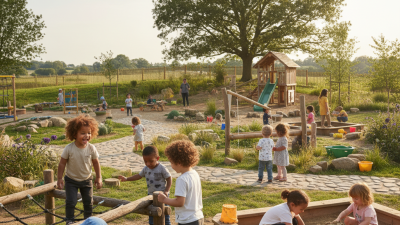
Nature-inspired play areas are gaining popularity. Creating spaces with natural materials engages children's senses. Logs, stones, and plants encourage exploration and creativity. Studies indicate that children learn better in environments that mimic nature. Treehouses or sensory gardens can foster curiosity. In Japan, “forest schools” have successfully blended outdoor play with structured education, promoting both learning and development.
Group activities boost social skills. Internationally, ideas like cooperative games and obstacle courses unite children. These enhance teamwork and problem-solving. However, not all facilities can implement such ideas due to space limitations or funding issues. Reflection on the need for accessible outdoor areas highlights disparities. Some preschools have limited options. This emphasizes the need for innovative designs adaptable to different environments.
Top Preschool Outdoor Play Ideas for Global Buyers
| Play Idea |
Description |
Benefits |
Recommended Age |
| Nature Scavenger Hunt |
Children explore outdoors to find various natural items. |
Encourages observation skills and physical activity. |
3-5 years |
| Sandbox Play |
Creating structures and playing with sand in a designated area. |
Enhances fine motor skills and imaginative play. |
2-5 years |
| Outdoor Obstacle Course |
Set up a series of physical challenges using natural and playground materials. |
Improves gross motor skills and teamwork. |
4-6 years |
| Gardening Activities |
Planting and caring for flowers or vegetables. |
Teaches responsibility and connects children to nature. |
3-6 years |
| Water Play Stations |
Exploring water through pouring, splashing, and floating objects. |
Stimulates sensory exploration and cognitive development. |
2-5 years |
Cultural Influences on Outdoor Play Activities for Young Children
Cultural influences shape how children engage in outdoor play. In some cultures, nature serves as a backdrop for imaginative adventures. Children often use sticks, stones, and leaves in their play. This encourages creativity and resourcefulness. In contrast, other cultures may focus on structured games. These activities often have specific rules and objectives. Both methods help children develop social skills and teamwork.
The type of outdoor play reflects community values. In collectivist societies, group activities dominate. Children learn collaboration and communication through play. Conversely, in more individualistic cultures, personal expression in play is emphasized. Kids might explore alone or in small groups, crafting their unique experiences. However, such individual play can sometimes lead to isolation. Finding a balance is essential for healthy development.
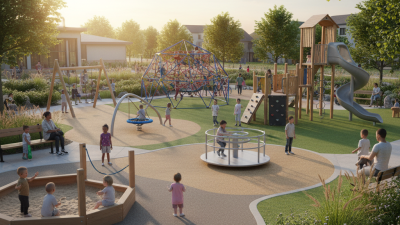
Access to safe outdoor spaces is also influenced by culture. Some communities prioritize parks and play areas. Others may lack these resources, impacting children's play opportunities. This disparity raises important questions about equity and access. Fostering dialogue around these challenges encourages communities to reflect on their play environments. By addressing these issues, children can benefit from richer outdoor experiences.
Recommended Safety Measures for Outdoor Preschool Playgrounds
Outdoor play is essential for preschool children. It enhances their physical, social, and cognitive development. However, ensuring safety in outdoor playgrounds is crucial. According to the Consumer Product Safety Commission (CPSC), more than 200,000 children visit emergency rooms each year due to playground-related injuries. Implementing proper safety measures can significantly reduce these numbers.
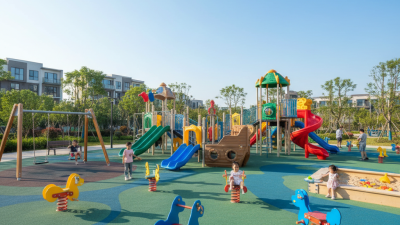
Designing playgrounds with age-appropriate equipment is vital. Equipment should not exceed a child’s head height. Soft ground surfaces, like rubber mats or mulch, minimize injury risks. Regular maintenance is key. Inspect the playground for hazards like loose screws or sharp edges. Reports indicate that most injuries occur due to falls. Thus, creating a safe environment can lead to fewer accidents.
Staff training plays a critical role in promoting safety. Educators should understand safety protocols. They must supervise children effectively during play. Awareness of potential risks can lead to quicker reactions in case of an incident. Despite best efforts, accidents can happen, so having first aid kits readily available is necessary. Creating a culture of safety allows everyone to enjoy outdoor play with reduced concerns.
Equipment and Materials for Engaging Outdoor Play Experiences
Outdoor play is essential for preschoolers. Engaging with the environment fosters physical and cognitive development. Studies indicate that spending time outdoors can enhance children's creativity and problem-solving skills.
To create an enriching outdoor environment, specific equipment and materials are vital. Natural elements like logs, stones, and water can inspire imaginative play. Research shows that children are more engaged when they have diverse resources. For instance, a study by the American Academy of Pediatrics found that nature-based play can improve attention spans by up to 20%.
Additionally, incorporating sensory play materials can deepen engagement. Sand and water tables allow for hands-on experiences that support sensory development. However, not all children feel comfortable in outdoor settings. It's essential to create inviting spaces that encourage exploration without overwhelming them. A balance of structure and freedom is key to nurturing an effective learning environment.
Top Preschool Outdoor Play Ideas
Benefits of Outdoor Play for Preschool Development and Learning
Outdoor play is crucial for preschool development. It offers children a chance to explore and engage with nature. They can climb, run, and jump, fostering their motor skills. These activities enhance balance and coordination. Physical movement helps reduce anxiety and improves overall well-being.
Nature sparks curiosity in young minds. Children learn about their environment through hands-on experiences. This kind of play promotes social skills. Kids interact, share, and negotiate their games. They experience both cooperation and occasional disagreements. These moments of conflict teach problem-solving and communication.
Outdoor play also nurtures creativity. Natural settings encourage imaginative play. Children invent stories and scenarios, using their surroundings as a backdrop. However, safety is a concern during outdoor activities. Supervising playtime is essential to prevent accidents. Reflecting on these aspects can improve future outdoor experiences.
 +86-13901441113

 CONTACT NUMBER
 CONTACT NUMBER