How to Choose the Best Playground Facilities for Your Needs?
Choosing the right playground facilities can be a daunting task. With so many options available, it's challenging to determine what best suits your needs. According to playground expert Dr. Lisa Thompson, ”Quality playground facilities foster creativity and physical activity.” This highlights the importance of thoughtful selection.
When selecting playground facilities, consider who will use them. Are they designed for toddlers, older children, or a mix? Safety should be a priority without compromising fun. Look for equipment made from durable materials that can withstand regular use.
Furthermore, pay attention to the layout and accessibility of these facilities. They should encourage interaction and be inclusive for all abilities. Reflect on your community’s needs, as well. Misalignment between available facilities and actual use may lead to frustration. Ultimately, the right playground facilities can transform a simple space into a vibrant community hub.
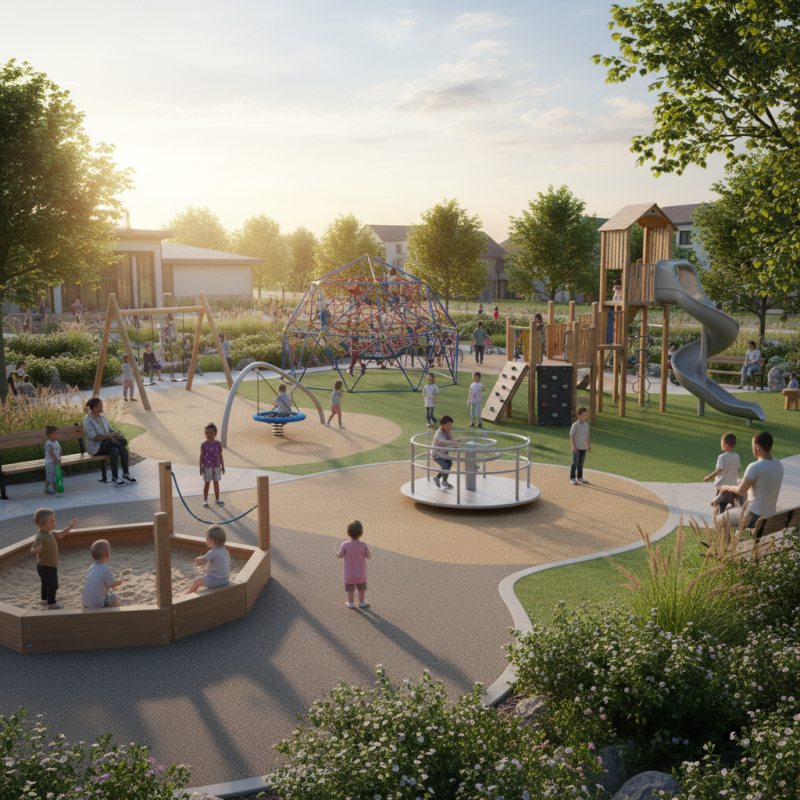
Factors to Consider When Selecting Playground Facilities
When selecting playground facilities, various factors come into play. Safety is paramount. According to the Consumer Product Safety Commission, about 200,000 children visit emergency rooms annually due to playground injuries. Ensuring equipment meets safety standards reduces risks significantly. Check for soft landing surfaces like rubber mats or mulch, which can cushion falls.
Another crucial aspect is suitability for age groups. Playgrounds must cater to different developmental stages. For example, the National Association of State Boards of Education recommends age-appropriate equipment to prevent injuries and enhance play value. Children's physical and cognitive abilities vary widely. Ensuring that facilities are designed for specific age ranges is essential.
Consider the accessibility of your playground. The U.S. Access Board states that accessible design allows all children, regardless of ability, to enjoy playtime. As a tip, creating inclusive spaces boosts community engagement. Adding sensory-rich elements benefits neurodiverse children. Organizations such as the Playground Access Initiative highlight this importance.
Remember, the aesthetics of the playground matter too. A well-designed space with colorful and engaging structures attracts children. However, keeping the environment clean is crucial. Regular maintenance checks help identify wear and tear, enhancing longevity. Engaging the community in these discussions can lead to a playground that truly reflects local needs.
How to Choose the Best Playground Facilities for Your Needs?
| Facility Type |
Recommended Age Group |
Key Features |
Safety Standards |
Cost Range ($) |
| Swings |
2-12 years |
Durable seats, safety harness |
CPSC & ASTM compliant |
500 - 2500 |
| Slides |
2-10 years |
Variety of heights, freestanding |
CPSC & ASTM compliant |
300 - 2000 |
| Climbing Structures |
5-12 years |
Ropes, ladders, platforms |
CPSC & ASTM compliant |
1000 - 5000 |
| Sports Equipment |
5-16 years |
Basketball hoops, goal posts |
ANSI & ASTM compliant |
300 - 3000 |
| Benches and Tables |
All ages |
Weather-resistant materials |
Not applicable |
200 - 1200 |
Types of Playground Equipment and Their Benefits
Choosing the right playground equipment can greatly impact children’s play experiences. Various types of playground structures cater to different developmental needs. Climbing structures enhance physical strength and coordination. They challenge children while ensuring safety. Slides add an element of thrill, promoting social interaction as kids take turns.
Swing sets are timeless favorites. They develop balance and core muscle strength. Many children find joy in soaring through the air. However, not all swings are suitable for every child. Consider age-appropriate swings to prevent accidents.
Sensory play panels provide essential cognitive benefits. They stimulate creativity and fine motor skills. While traditional equipment remains essential, incorporating these panels can be valuable. Some playgrounds overlook the need for inclusive designs. It is crucial to provide equipment for all abilities. Ultimately, thoughtful selection can foster a nurturing play environment.
Types of Playground Equipment and Their Benefits
Safety Standards and Regulations for Playground Installations
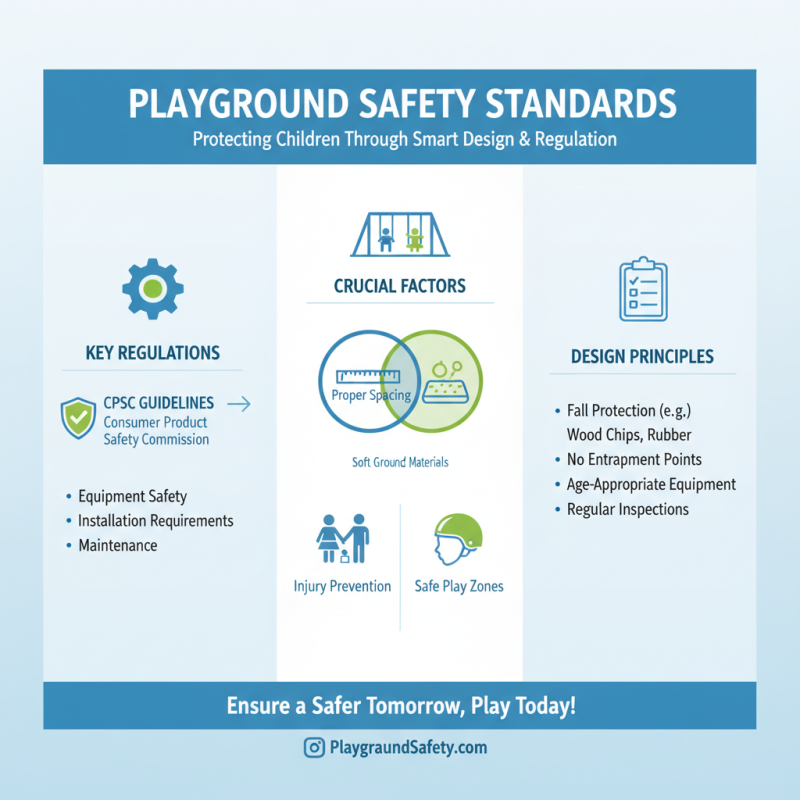
When selecting playground facilities, safety standards are crucial. These regulations ensure that equipment is safe for children. The Consumer Product Safety Commission (CPSC) provides guidelines for safe playgrounds. These include proper spacing between equipment and soft ground materials.
It's essential to check the quality of materials used. Metal equipment can become hot in summer, leading to burns. Also, wood must be treated to prevent splinters. Not all schools or parks adhere to these standards consistently, which raises concerns. In some areas, outdated equipment may still be in use, posing real risks.
An ongoing inspection routine can help catch hazards early. Parents should be aware of their surroundings. Observing how children interact with the equipment can provide insights. If you see broken pieces or signs of wear, addressing these issues promptly is necessary for safety. Remember, creating a safe environment requires vigilance and regular maintenance.
Budgeting for Playground Facilities: What You Need to Know
Budgeting for playground facilities is crucial for any successful project. According to a report from the National Playground Safety Institute, proper planning can reduce long-term costs. Assessing your budget early can save you from unexpected expenses later on. Playground equipment costs can range from $5,000 to over $50,000 depending on materials and safety features.
When exploring options, consider installation and maintenance costs. For instance, a well-maintained facility can extend the life of your equipment by up to 30%. Additionally, safety surfacing, often overlooked, can significantly impact your budget. The Consumer Product Safety Commission recommends using safe materials to prevent injuries, which may cost more upfront but save money on potential injuries and liability claims.
Always factor in community needs. Engaging with families can help you prioritize features that matter the most. Skipping this step can lead to a facility that lacks appeal. Balancing quality, safety, and community input is essential. Doing so ensures that your investment serves its purpose effectively.
Maintenance and Longevity of Playground Equipment Options
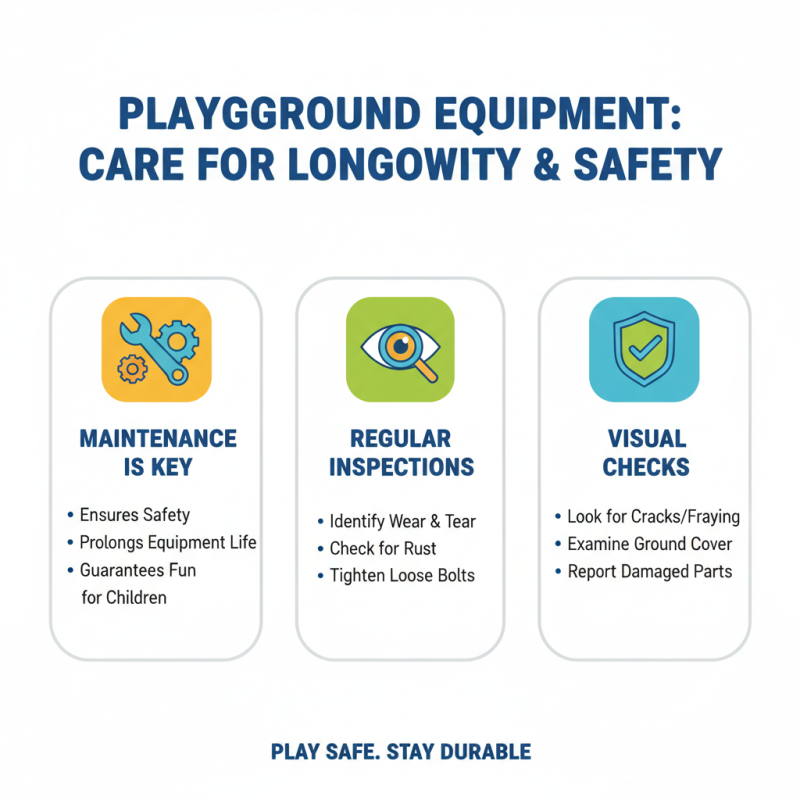
When selecting playground facilities, maintenance is crucial for longevity. Proper care ensures safety and enjoyment for children. Regular inspections help identify wear and tear. Visual checks can reveal rust, loose bolts, or other issues.
Consider the material used for playground equipment. Metal structures may require more maintenance than wooden options. Wooden equipment can rot, while metal can corrode. It's essential to weigh these factors based on your environment.
Always think about how the equipment will age. Some playgrounds look great initially but show damage after a short time. Investing in durable materials can save money in the long run. Keeping a maintenance schedule can extend the life of your playground, making them safe and inviting. Reflect on your choices, and prioritize what equipment will serve your community best.
 +86-13901441113

 CONTACT NUMBER
 CONTACT NUMBER