Top Park Play Equipment for Kids Safety and Fun?
In recent years, the demand for high-quality Park Play Equipment has surged. Parents increasingly prioritize safety and fun in children's play experiences. According to a report from the International Play Equipment Manufacturers Association (IPEMA), 70% of injuries in playgrounds could be prevented with proper safety standards and design.
Expert Robert Smith, a leading voice in playground safety, emphasizes the importance of thoughtful design: “Quality equipment not only enhances play but also ensures our children are safe.” This highlights the critical need for incorporating safe materials and innovative designs in park play structures.
Many parks still struggle to meet these safety standards. Aging equipment and outdated design contribute to risk. Ensuring that all park play equipment is up to date requires ongoing investment and vigilance. Communities must reflect on what improvements can be made for the safety and enjoyment of children.
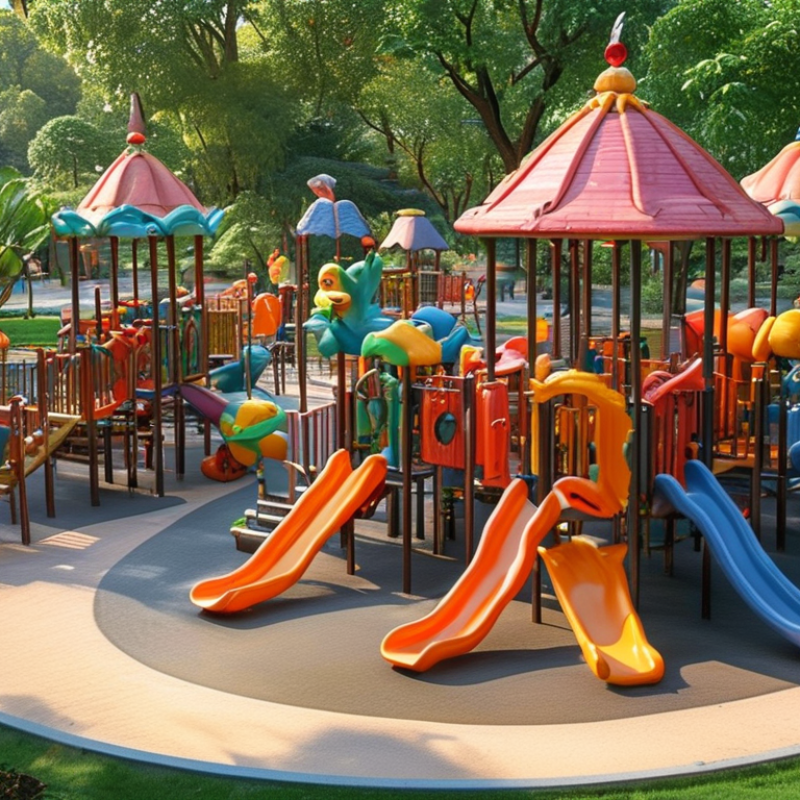
Top Park Play Equipment: Ensuring Safety and Enjoyment for Children
When it comes to park play equipment, safety and enjoyment are of paramount importance. According to the Consumer Product Safety Commission, over 200,000 children receive treatment for playground-related injuries each year. This statistic highlights the need for well-designed equipment to minimize risks. A focus on soft landing surfaces and proper spacing can significantly reduce fall-related injuries. For instance, using rubber mats or mulch can cushion falls, which is crucial for keeping children safe while they play.
Research shows that well-maintained playgrounds encourage children to engage in physical activity. Active play promotes physical health and social skills. The National Association for Sport and Physical Education recommends that children participate in at least 60 minutes of moderate to vigorous activity each day. Play equipment like climbing walls and slides motivate children to explore and develop their motor skills. However, it’s essential to regularly inspect equipment for wear and tear, as poorly maintained structures can lead to accidents. Proper supervision is also necessary, but many parks lack adequate staffing.
Despite intentions, not all parks meet safety standards. Some equipment is outdated, and routine inspections are often overlooked. Statistics reveal that nearly 70% of playgrounds fail to meet safety guidelines. Addressing these issues is not only important for child safety but also crucial for fostering a joyful and engaging environment for play. Balancing safety with fun should always be a priority in playground design.
Understanding Safety Standards: ASTM and CPSC Guidelines for Play Equipment
When selecting park play equipment for children, safety is the top priority. The safety standards set by organizations like ASTM and CPSC guide manufacturers in designing safe play structures. These guidelines focus on materials, height limitations, and equipment spacing. They aim to minimize risks of injury, ensuring a safer environment for children to play.
Understanding these standards can be complicated. For example, many parents are unaware of the importance of impact-absorbing surfaces under swings and slides. Without such surfaces, falls can lead to serious injuries. Furthermore, not all equipment labeled as "safe" undergoes rigorous testing. It's crucial to research and advocate for playgrounds that adhere to these standards.
Parents and guardians should actively inspect playground equipment. Checking for sharp edges or loose pieces can make a difference. Observing how children interact with the equipment can reveal potential hazards. While standards provide a baseline, close personal scrutiny adds an additional layer of safety. A proactive approach in understanding and applying these safety guidelines is essential in ensuring fun and secure play for children.
Safety Ratings of Top Play Equipment Types
This chart illustrates the safety ratings of various types of play equipment according to ASTM and CPSC guidelines. The ratings are based on several factors, including material durability, stability, and age-appropriateness, ensuring a safe play environment for children.
Impact-Absorbing Surfaces: Reducing Injuries with Proper Ground Materials
When designing playgrounds, safety should be a top priority. Impact-absorbing surfaces are crucial in reducing injuries. Traditional concrete is hard and unforgiving. When children fall, the chances of injury increase significantly. Surfaces made from rubber, mulch, or sand can soften those falls. These materials provide a cushion, greatly enhancing safety.
However, not all surfaces are created equal. Some loose-fill materials can be displaced easily. If the ground is uneven, it can pose new hazards. Regular maintenance is essential to ensure these materials remain in place. Level surfaces help prevent trips and falls, which sometimes go unnoticed.
Choosing the right ground material involves careful consideration. Each option has its pros and cons. For example, rubber mats may provide excellent cushioning but can become extremely hot in the sun. Parents and guardians should regularly inspect play areas. Awareness of the ground conditions can prevent accidents before they happen. Designing playgrounds with safety in mind demands ongoing attention.
Age-Appropriate Equipment: Tailoring Play Structures for Different Developmental Stages
When selecting park play equipment, age-appropriate options are key for child safety. Young toddlers require structures that are low to the ground. They benefit from soft surfaces and gentle slides. This design helps minimize injuries during playtime. Swings that accommodate their small size can also promote confidence.
As children grow, their play needs change. Preschoolers thrive on climbing frames and interactive panels. These features encourage problem-solving and physical skills. However, too much height can lead to falls. It is crucial to find a balance. Structures should challenge kids but still prioritize safety.
Older kids seek more adventurous equipment, such as tall slides and monkey bars. While fun, these can pose risks if not properly supervised. Parents and caregivers must continually assess the equipment's condition and safety features. Reflecting on these considerations can enhance the play experience while keeping children safe.
Innovative Designs: Trends in Playground Equipment Promoting Active Play and Safety
Playground equipment has evolved dramatically, focusing on stimulating active play while enhancing safety. A recent report by the International Playground Equipment Manufacturers Association highlights a shift toward innovative designs. Features such as soft landing zones, rounded edges, and spaced components reduce injury risks. These changes are critical; nearly 200,000 children visit emergency rooms each year due to playground injuries.
Experts recommend multi-sensory play structures. These encourage children to explore in diverse ways, promoting creativity and physical activity. Incorporating natural elements, like logs and boulders, encourages imaginative play. Moreover, research suggests that children engage more when they see varied textures and colors. However, not all designs meet these standards. Some older models still circulate, raising concerns over their safety.
Inclusion is another vital trend. Play equipment must cater to children of all abilities. Accessible structures make it easier for kids with disabilities to participate. Unfortunately, many parks still lack adequate facilities. A recent survey revealed that only 35% of public playgrounds are compliant with accessibility guidelines. This statistic underscores the urgent need for improvements. Investing in high-quality, inclusive designs benefits all children.
 +86-13901441113

 CONTACT NUMBER
 CONTACT NUMBER