What is Small Playground Equipment and How Can It Benefit Children?
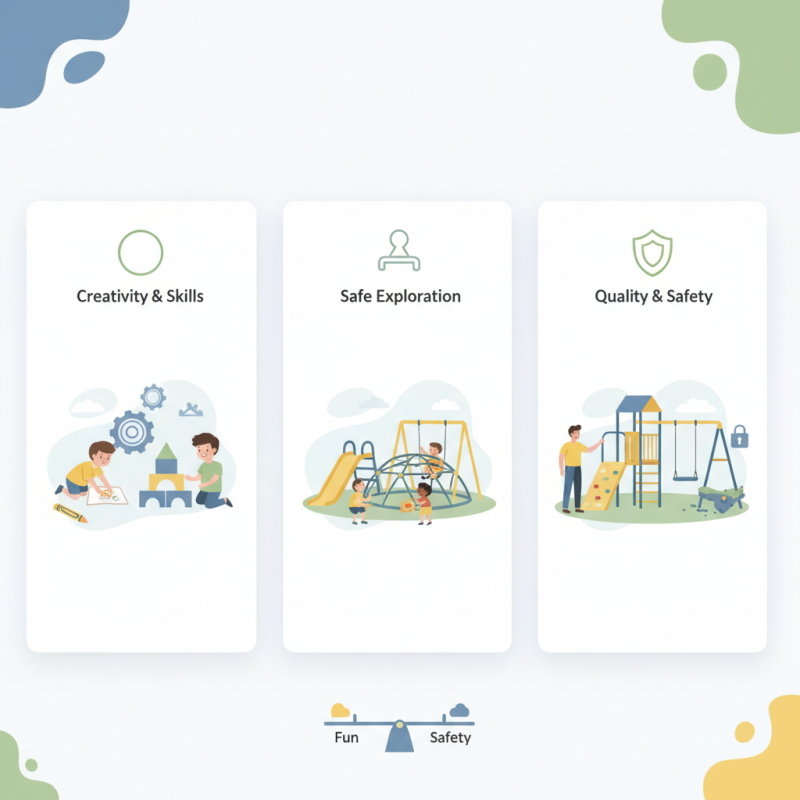
Small Playground Equipment plays a crucial role in childhood development. According to Dr. Emily Chen, an expert in child psychology, "These types of equipment foster creativity and improve fine motor skills." Children benefit greatly from engaging with their environment.
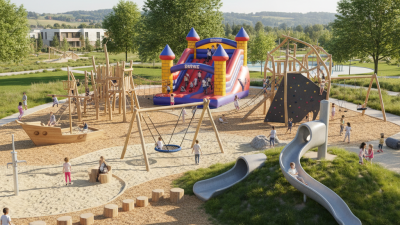
Small Playground Equipment offers safe, fun ways for kids to explore. It includes slides, swings, and climbing structures designed for younger ages. These elements encourage physical activity while enhancing social interactions. Children learn vital skills like sharing and teamwork as they play together.
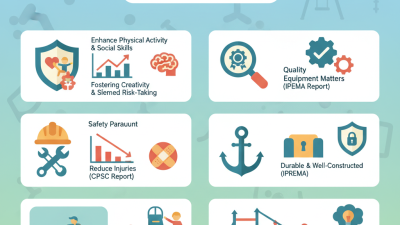
However, not all small playground equipment is created equal. There can be concerns about safety standards and durability. Some equipment may not withstand harsh weather or heavy use. It's essential for parents and caregivers to choose wisely. Investing in quality can lead to better experiences for children. Balancing fun and safety is key.
Definition of Small Playground Equipment and Its Variants
Small playground equipment encompasses various devices designed for children's play. These include swings, slides, climbing frames, and balance beams. According to the National Association for the Education of Young Children, these play structures significantly contribute to a child's physical and social development. They encourage movement, enhance motor skills, and foster interaction with peers.
Variants of small playground equipment serve different age groups. For instance, toddler-specific equipment features lower heights and safety barriers to prevent falls. Equipment designed for preschoolers often includes more complex structures to challenge their growing abilities. A report from the American Academy of Pediatrics highlights that children engaging with varied playground equipment are more likely to develop critical thinking and problem-solving skills.
However, not all playgrounds are created equal. Some facilities lack the necessary safety standards or are poorly designed, limiting children’s engagement. Reports indicate that nearly 20% of injuries in playgrounds stem from inappropriate equipment. Ensuring that small playground equipment meets safety guidelines is crucial for minimizing risks while encouraging active play.
Benefits of Small Playground Equipment for Children
This bar chart represents the various benefits of small playground equipment and the percentage of parents who observe these benefits in their children.
Types of Small Playground Equipment Suitable for Different Age Groups
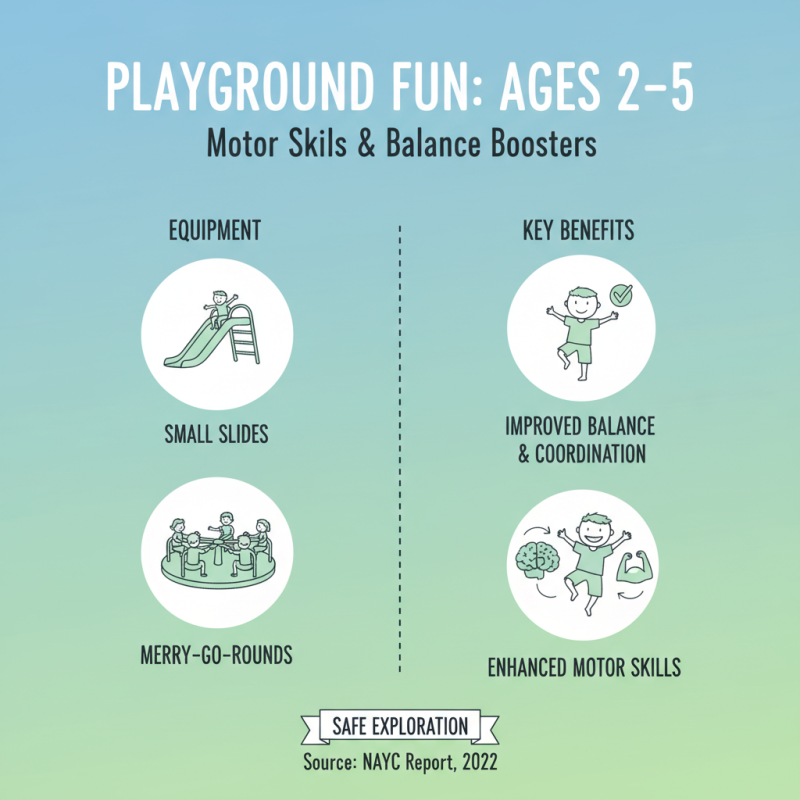
Small playground equipment plays a crucial role in early childhood development. For toddlers aged 2-5, equipment like small slides and merry-go-rounds boost motor skills. According to a 2022 report by the National Association for the Education of Young Children, proper play equipment helps improve balance and coordination. Children, during this critical stage, need safe environments to explore.
For slightly older kids, ages 5-12, climbing frames and swings offer both fun and physical challenges. A study from the International Journal of Play found that this type of equipment encourages problem-solving and social interactions. Kids learn to navigate risks while playing, which is crucial for building confidence. However, not all equipment meets safety standards, leading to potential injuries. It’s important for caretakers to regularly inspect play areas.
Different age groups require distinct features in playground design. Toddlers typically need soft edges and lower heights. In contrast, older kids seek more adventurous structures. Schools often overlook these differences, leading to unsafe play experiences. A balanced approach in equipment selection ensures that all children can benefit from active play in safe conditions.
Benefits of Small Playground Equipment for Physical Development in Children
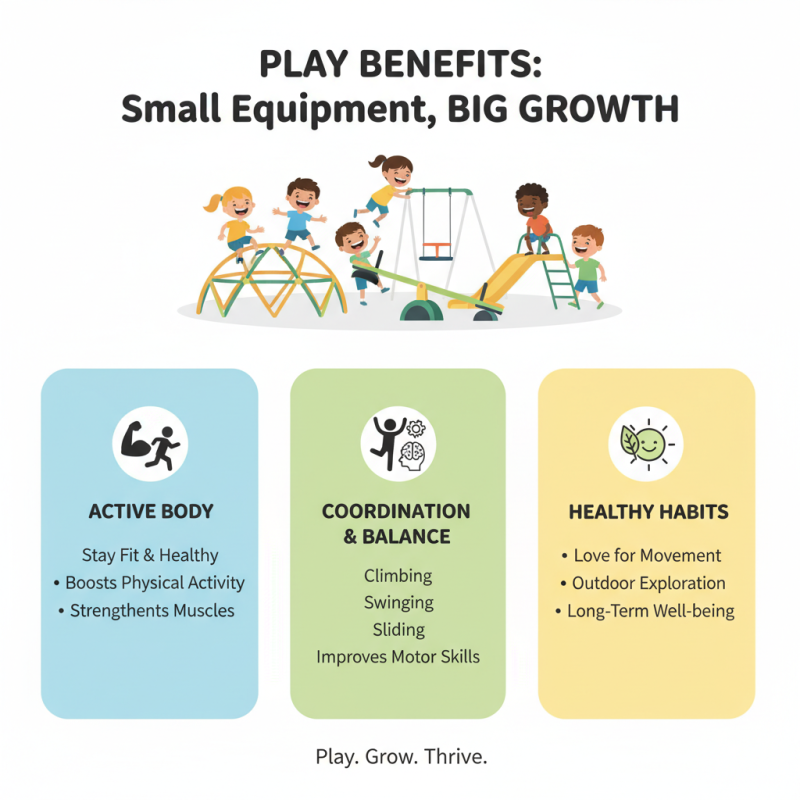
Small playground equipment is essential for children's development. It promotes physical activity, helping kids stay fit and healthy. Climbing structures, swings, and slides encourage movement and coordination. These activities strengthen muscles and improve balance.
Engaging in physical play enhances motor skills. Children learn to run, jump, and climb, which is vital for their growth. They also develop social skills as they play together. Sharing and teamwork can be learned through casual interaction on playgrounds.
Tips for choosing small playground equipment:
- Ensure safety features are in place. Check for rounded edges and stable designs.
- Opt for bright colors to attract children's attention. Children are drawn to vibrant equipment.
- Encourage parents to join in on the fun. Adult involvement can enhance the playful experience.
Small playground equipment has its challenges. Equipment can sometimes be too small or too simplistic. Reflecting on the variety of experiences, it's essential to consider children’s different needs. Creating spaces that allow for both challenging and safe play can be beneficial.
Social Skills and Emotional Growth Through Small Playground Play Equipment
Small playground equipment plays a vital role in children's development. When kids engage with this equipment, they build social skills. Climbing structures and swings promote interaction. Children learn how to share and take turns during play. This sharing can spark conversations and friendships.
Emotional growth is another key benefit. As children navigate challenges on the playground, they face their fears. For instance, trying to reach the top of a climbing wall can be daunting. Overcoming that fear leads to a sense of achievement. Moreover, playing in groups often leads to conflicts. Resolving these helps kids learn empathy and patience.
However, not every child thrives in this environment. Some may hesitate to join in due to shyness. It's essential for caregivers to notice this behavior. Encouraging shy children to participate can help them grow. The goal is to create an inclusive space where every child feels valued. It's a journey of learning through play. Each interaction can be a learning opportunity, even if it feels imperfect at times.
Safety Considerations and Maintenance for Small Playground Equipment
Small playground equipment offers various benefits for children, but safety is paramount. According to the American Society for Testing and Materials (ASTM), over 200,000 injuries occur on playgrounds annually. Many of these injuries stem from improper installation or maintenance of equipment. Regular checks can prevent accidents. It’s essential to ensure that equipment is age-appropriate and meets safety standards.
Maintenance is often overlooked. Regular inspections can identify wear and tear. One report by the National Playground Safety Institute indicates that nearly 70% of playgrounds have at least one safety violation. This statistic highlights the need for routine upkeep. Make sure surfaces are adequately cushioned with materials such as mulch or rubber mats. These materials can absorb impacts and reduce injury risks.
Weather impacts playground equipment. Rain, snow, and UV exposure can degrade materials over time. Regular cleaning is necessary to prevent hazards like rust or mold. Inspecting hardware, such as bolts and swings, ensures children stay secure during play. Community efforts in maintenance can improve overall safety and enjoyment of playgrounds. Engaging local volunteers can foster a sense of responsibility for children’s play spaces.
 +86-13901441113

 CONTACT NUMBER
 CONTACT NUMBER