What Is Preschool Outdoor Play Equipment?
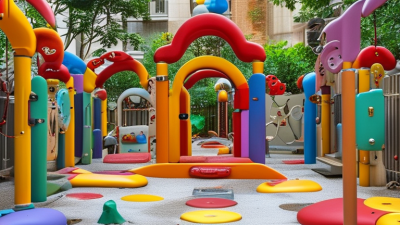
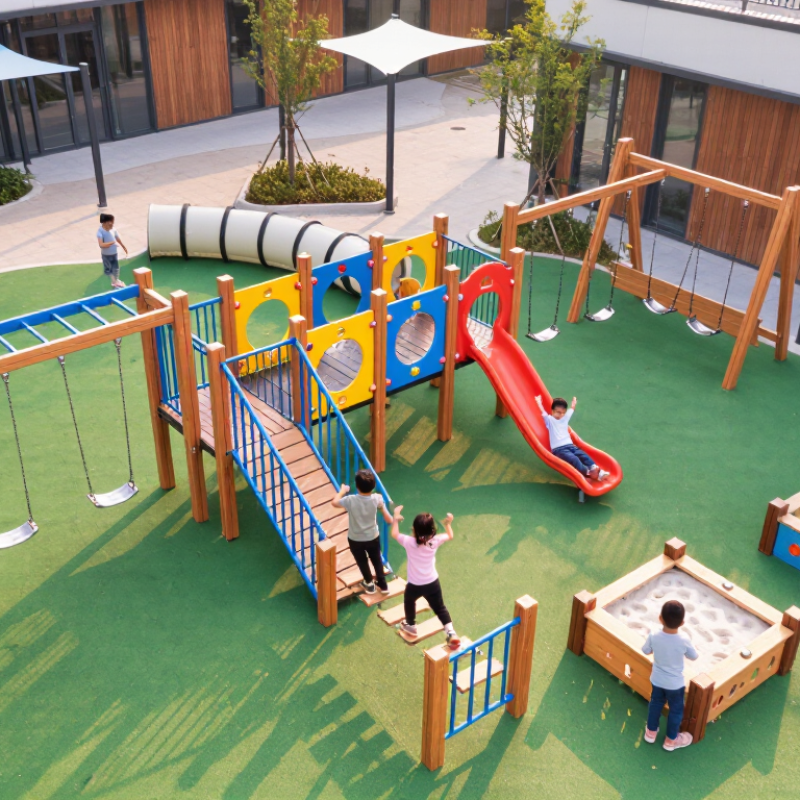
Preschool Outdoor Play equipment includes age-appropriate structures that help young children move, explore, imagine, and cooperate outside. Typical examples include low climbing frames, slides, swings, balance beams, sand tables, sensory panels, tunnels, and accessible play features. These products are not simply smaller versions of playground equipment. Their heights, openings, grip sizes, fall zones, and challenge levels should match preschool children’s developing bodies and judgment.
The World Health Organization’s Guidelines on Physical Activity, Sedentary Behaviour and Sleep (2019) recommend that children aged three to four receive at least 180 minutes of physical activity daily, including 60 minutes of moderate-to-vigorous movement. Outdoor equipment can support these targets through climbing, crawling, balancing, jumping, and repeated active play. However, equipment alone does not create meaningful development. Adults still need to observe, encourage, and adjust activities for different abilities.
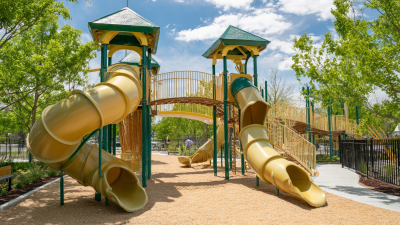
Safety must remain visible in every design decision. The U.S. Consumer Product Safety Commission’s Public Playground Safety Handbook highlights fall protection, protective surfacing, entrapment prevention, spacing, and regular maintenance. ASTM F1487 also provides widely used safety requirements for public playground equipment. A soft rubber surface, shaded platform, and well-designed handrail may appear ordinary, yet each detail affects daily use. No product is automatically safe. Weather, installation quality, supervision, and wear can change the risk. The boundary between “challenging” and “too difficult” is not always clear, either. Understanding these practical factors helps educators, buyers, and families evaluate Preschool Outdoor Play equipment with greater confidence and care.
Definition and Purpose of Preschool Outdoor Play Equipment
What Is Preschool Outdoor Play Equipment?
Definition and Purpose of Preschool Outdoor Play Equipment
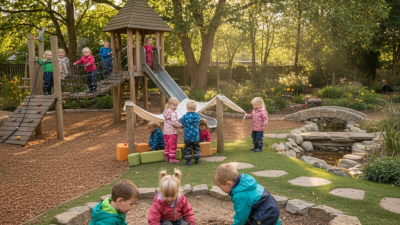
Preschool outdoor play equipment includes child-sized structures and loose materials used outside. Examples include climbing frames, balance beams, slides, sand tables, tunnels, and stepping logs. These items support movement, exploration, and imaginative play for children aged three to five.
The purpose is broader than keeping children busy. Well-designed equipment helps develop balance, coordination, grip strength, and spatial awareness. It also creates natural opportunities for sharing, negotiating, and solving small problems with peers. A child may carry a bucket across uneven ground, wait for a turn, or decide how to cross a low balance beam.
Safety and suitability must guide every choice. Early childhood educators should check fall height, surface protection, sharp edges, trapped spaces, and equipment stability. Materials should match children’s abilities, not simply their age. A sturdy, low platform may offer better learning than a tall, complicated structure. It is less dramatic, perhaps, but often more usable.
Outdoor equipment should also invite flexible play. Loose logs, fabric, and large natural blocks can become bridges, shops, or animal homes. In a well-planned yard, children can choose challenge without facing unnecessary danger. However, no design removes the need for active supervision. I have noticed that even simple equipment can create conflicts or risky shortcuts. Regular observation matters. Staff may need to adjust spacing, explain a safer route, or remove one worn piece. Not every activity works perfectly. That is useful information for the next setup.
What Is Preschool Outdoor Play Equipment?
Preschool outdoor play equipment includes age-appropriate structures and activity features that encourage climbing, balancing, running, jumping, coordination, and active social play.
For children aged 3–4, international movement guidelines recommend at least 180 minutes of physical activity across the day, including at least 60 minutes of moderate-to-vigorous activity. Outdoor play equipment helps create varied opportunities to achieve these movement goals while supporting motor development and independent play.
Reference: World Health Organization, Guidelines on physical activity, sedentary behaviour and sleep for children under 5 years of age.
Main Types of Equipment for Preschool Outdoor Spaces
Preschool outdoor play equipment should turn a small yard into an active learning space. The main types include climbing frames, slides, swings, balance beams, tunnels, and stepping pods. Each type supports different skills. Climbing equipment builds strength and coordination. Slides encourage confidence and controlled movement. Balance tools help children judge distance and body position. Low platforms are often better for younger preschoolers than tall structures.
Creative equipment matters too. Sand tables, water channels, mud kitchens, and outdoor drawing boards support sensory and imaginative play. Ride-on toys and simple tricycles develop steering skills and spatial awareness. Open areas are useful for running, dancing, and group games. In practice, children may ignore an expensive feature and return to a simple bucket. That can be surprising. No layout works perfectly for every group.
Tips: Choose equipment for the children’s ages and abilities. Check edges, fasteners, platforms, and impact-absorbing surfaces regularly. Keep clear space around moving equipment, especially swings and ride-on paths. Provide shade and drinking water during warm weather. Teachers should supervise actively, not from a distant chair. Watch how children use the space, then adjust the layout when problems appear. A balance beam may need moving after rain. Small changes can improve safety and play value.
Developmental Benefits of Outdoor Play Equipment
What Is Preschool Outdoor Play Equipment?
Developmental Benefits of Outdoor Play Equipment
Preschool outdoor play equipment includes climbers, balance beams, slides, tunnels, sand areas, and nature-based activity stations. Each piece creates a small learning challenge. A child grips a ladder, adjusts body weight, and decides where to place one foot. These actions strengthen gross-motor skills, spatial awareness, and confidence through direct experience.
The World Health Organization’s Guidelines on Physical Activity, Sedentary Behaviour and Sleep recommend at least 180 minutes of daily physical activity for children aged three to four. At least 60 minutes should reach moderate-to-vigorous intensity. Well-designed equipment can support this target through climbing, jumping, crawling, and repeated movement. The American Academy of Pediatrics’ 2018 clinical report also connects play with executive function, language, self-regulation, and social development. A child waiting for the swing practices patience. Two children planning a tunnel game practice communication.
Safety and challenge must coexist. Equipment that is too easy may lose attention. Equipment that is too difficult can create fear or unsafe choices. Teachers should observe grip strength, balance, confidence, and peer interaction before changing activities. The Centers for Disease Control and Prevention emphasizes developmentally appropriate physical activity and injury prevention in early childhood guidance. However, equipment alone is not magic. I have seen children ignore an expensive structure when adults offered no imaginative prompt. A cardboard map, a few cones, or a question like “How can you cross without touching the ground?” may create deeper learning.
Planning and Maintaining a Preschool Play Area
Planning and maintaining a preschool play area requires more than placing equipment on soft ground. The layout should match children’s ages, abilities, and movement patterns. Separate quiet spaces from active zones. Keep climbing structures away from busy entrances and blind corners. Leave clear paths for children and supervising adults. A simple site sketch can reveal crowded areas before installation begins.
Choose equipment that supports balance, climbing, crawling, and imaginative play.
Check that platforms have secure barriers and that openings cannot trap small fingers or limbs. Use impact-absorbing surfacing beneath fall zones, then inspect its depth regularly. Sand, rubber, or engineered wood may shift after heavy rain. Drainage matters. Standing water quickly creates slippery surfaces and hygiene concerns. Provide shade, drinking water, and seating for children who need a break.
Daily checks should look for loose fasteners, sharp edges, damaged ropes, splinters, and unstable foundations. Staff can record findings with dates and photographs. Small defects should not wait for a monthly inspection. Cleaning routines also need attention, especially after storms or illness outbreaks. Our first layout had attractive equipment but poor visibility near the tunnel. We changed the arrangement after observing children play. That adjustment worked better, though the area still needs regular review as children’s needs change.
 +86-13901441113

 CONTACT NUMBER
 CONTACT NUMBER