What is Playground Nursery and How Does It Benefit Children?
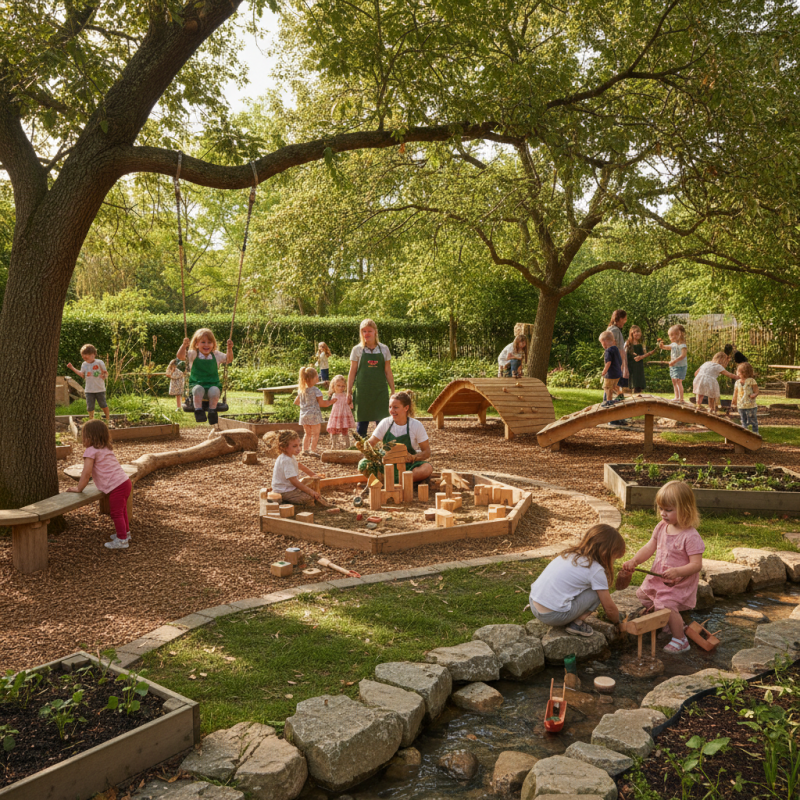
Playground Nursery is an innovative approach to early childhood education. It combines outdoor play with learning, fostering a child's development. This setting allows children to explore their environment freely while acquiring essential skills.
In a Playground Nursery, children engage in hands-on activities. They learn through play, which enhances creativity and critical thinking. Research highlights the positive impacts of outdoor play on emotional well-being. However, some may worry about safety and structure. A balance between freedom and guidance is crucial.
Parents often find this approach appealing. The natural environment promotes physical health and social interaction. Children build friendships and develop communication skills. While Playground Nursery offers many benefits, challenges exist. Careful planning and supervision are essential for a safe and effective learning experience.
What is Playground Nursery and Its Conceptual Framework?
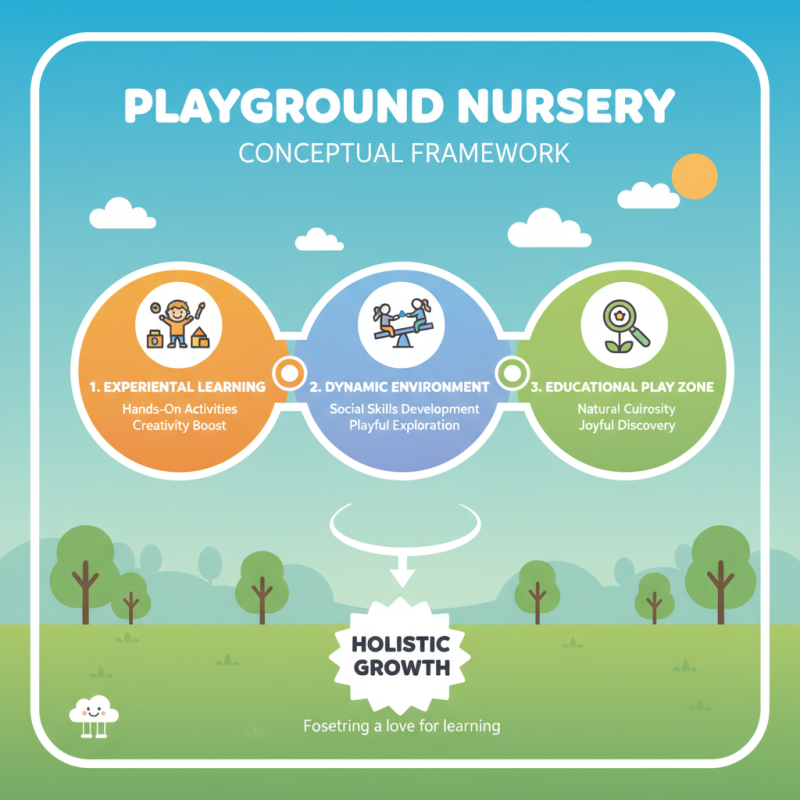
Playground Nursery offers a unique approach to early childhood education. It emphasizes experiential learning in a dynamic environment. Children engage in various activities that stimulate their creativity and social skills. The environment feels like a play zone but is carefully designed with educational goals in mind. This setup fosters natural curiosity and joy in learning.
The conceptual framework of Playground Nursery is rooted in child-centered pedagogy. It encourages hands-on experiences, where children learn through play. This method promotes emotional development and resilience. For instance, climbing structures help children confront fears while honing motor skills. At times, interactions can lead to conflicts, teaching them to negotiate and resolve issues. Such experiences are crucial for their growth.
Educators play a vital role in this setting. They observe, guide, and facilitate rather than dictate. Their involvement helps balance freedom and structure. However, this balance isn't easy to achieve. Sometimes, children may feel overwhelmed without enough direction. This highlights the need for continuous reflection on teaching practices. The Playground Nursery concept thrives on flexibility, adaptation, and the recognition that every child is unique.
Historical Development of Playground Nursery and Its Global Trends
The concept of playground nursery has evolved significantly over the years. Traditionally, these spaces were simple outdoor areas filled with basic play equipment. Today, playground nurseries are designed with a strong focus on children’s developmental needs. They often include natural elements like trees and gardens, allowing children to explore freely. Historical accounts show that the playground movement began in the late 19th century. Cities wanted to offer safe spaces for children, especially in urban areas.
Global trends highlight a shift towards inclusivity and sustainability in playground design. More communities are creating accessible play areas for children with disabilities. Some designs incorporate eco-friendly materials to promote environmental awareness. However, challenges remain. Not all regions have the resources to create such spaces. Disparities in access can hinder the widespread benefits of playground nurseries. As we rethink playgrounds, it’s crucial to reflect on these gaps in resources and accessibility. How can we ensure every child has access to quality play experiences?
Benefits of Playground Nursery: Cognitive, Social, and Emotional Growth
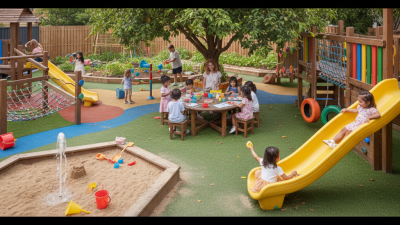
Playground Nursery creates a vibrant space for children. It promotes cognitive growth by engaging young minds in playful learning. When children play, they explore concepts like balance, gravity, and teamwork. Every slide and swing offers an opportunity to learn and discover. When children interact with various toys, they improve their problem-solving skills. Being in a group fosters a rich environment for ideas.
Social growth is another benefit of playground nurseries. Children learn to share, take turns, and communicate effectively. These interactions are crucial for developing friendships. They navigate conflicts and understand emotions. Observing others helps them build empathy. The playground acts as a mini-community, allowing kids to form connections and learn from each other.
Tips for parents: Encourage your children to try new activities. Let them face challenges, even if it leads to minor setbacks. Learning resilience is essential. Also, participate in their playtime. Engage, ask questions, and listen. These actions not only strengthen your bond but also boost their confidence. Remember, every playful moment is an opportunity for growth.
Industry Data on Child Development in Playground Nursery Settings
Playground nurseries provide a unique environment that supports children's development. Research indicates that outdoor play contributes significantly to cognitive and social growth. Children engage in physical activity, which enhances motor skills. They also develop important social skills through interaction with peers. An environment filled with natural elements encourages creativity and imagination.
Tips: Allow for free play. Let children explore and interact with their surroundings. This fosters independence and problem-solving abilities. Limit structured activities; children learn best through exploration.
Industry data shows that children in playground nurseries often exhibit higher levels of overall happiness. They tend to be more engaged in learning activities. Through play, they also learn about sharing, cooperation, and conflict resolution. While structured learning is vital, unstructured play is equally important.
Tips: Observe children's interactions. Notice how they navigate challenges together. This insight can help caregivers support social development in meaningful ways. Prioritize outdoor playtime to maximize these benefits.
Case Studies: Successful Implementation of Playground Nursery Programs
Playground Nursery programs provide innovative learning experiences for young children. Case studies show that these programs cater to children's natural curiosity. They promote creativity through unstructured playtime. According to a 2022 report from the Early Childhood Education Alliance, children engaged in regular outdoor play exhibit improved cognitive skills.
One successful case is seen in a community in California. Children participated in a structured outdoor nursery. Teachers noted a 30% increase in social interaction among children. This led to more collaborative play and problem-solving skills. Children learned to navigate social dynamics in a real-world setting. This hands-on experience was invaluable.
However, some challenges arose in implementing these programs. Weather conditions sometimes hindered outdoor activities. Additionally, some parents expressed concerns about safety. These issues prompted educators to adapt their approaches. They began integrating indoor elements while maintaining outdoor principles. This balance is crucial for sustained success in nurturing holistic development.
Benefits of Playground Nursery Programs
 +86-13901441113

 CONTACT NUMBER
 CONTACT NUMBER