Top Daycare Playground Equipment Tips for Safe Fun
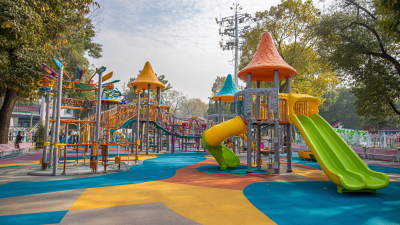
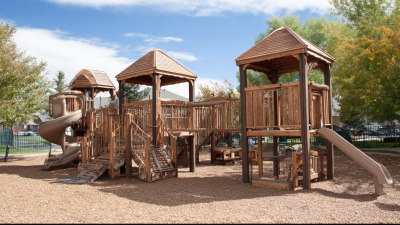
Choosing the right Daycare Playground Equipment is vital for safety and enjoyment. Playgrounds are where children explore, learn, and grow. Well-designed equipment can spark creativity and physical activity. However, not all equipment is created equal.
Parents and caregivers often overlook safety features. This can lead to preventable accidents. It's essential to inspect the equipment regularly. Proper maintenance is key to keeping children safe. Look for sturdy materials and age-appropriate designs.
Additionally, consider the layout of the playground. Space matters, so kids have room to run and play. A crowded playground can be dangerous. Thankfully, the right equipment can enhance safety and fun. Invest time in researching options to find the best fit for your daycare.
Choosing Safe Playground Equipment for Daycare Settings
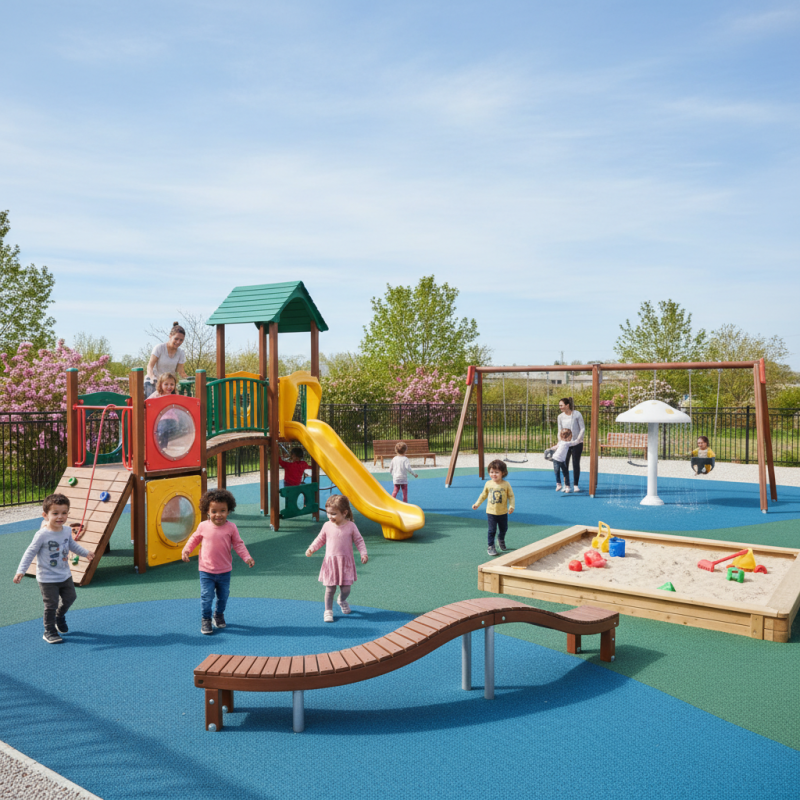
Choosing safe playground equipment for daycare settings is crucial for child safety and development. A report from the American Academy of Pediatrics states that proper equipment can reduce the risk of injuries by nearly 40%. When selecting play structures, consider safety ratings and material quality. Equipment made from durable, non-toxic materials is essential. Look for age-appropriate designs to prevent accidents involving younger children.
Soft ground surfaces, like rubber mats or grass, are significant for safety. According to the National Program for Playground Safety, 70% of playground injuries stem from falls. Hence, a cushioned landing zone is vital. Inspecting equipment regularly is not optional. Even slight wear can lead to significant hazards. Staff training on identifying risks is often overlooked yet necessary. This can help enhance overall safety and ensure a fun environment.
Incorporating interactive elements encourages physical activity. Still, balance is key. Too many features can lead to chaos. Equipment should foster skill development while ensuring children are adequately supervised. The design must encourage imaginative play, but safety should always remain the priority. Adopting a thoughtful approach to playground setup can provide a safe space for creative exploration.
Top Daycare Playground Equipment Tips for Safe Fun
| Equipment Type |
Safety Features |
Recommended Age Group |
Maintenance Tips |
| Swings |
Safety belts, soft seats |
3-5 years |
Check for wear on seats monthly |
| Slides |
Rounded edges, non-slip surface |
2-6 years |
Inspect for sharp edges weekly |
| Climbing Frames |
Sturdy construction, padded landing zones |
4-8 years |
Ensure stability and check for rust bi-monthly |
| Sandbox |
Covered when not in use, non-toxic materials |
1-5 years |
Replace sand yearly and check for debris |
Essential Safety Standards for Daycare Playground Equipment
When selecting daycare playground equipment, adhering to essential safety standards is crucial. All equipment should be made of sturdy materials that can withstand daily use. Surfaces must be soft and impact-absorbing. Use materials like rubber mulch or foam mats to reduce injury risks during falls. Regular checks for wear and tear can help maintain safety.
Equipment design is vital. Ensure that climbing structures have proper spacing between rungs. Areas where children can fall must have protective barriers. Inspect features like swings and slides often for safety hazards. Replace damaged parts immediately. Bright colors can make equipment more appealing, but they should not compromise safety.
Not all daycare centers prioritize safety equally. Some may overlook essential standards due to cost. It’s easy to get caught up in aesthetics, but functionality should come first. Consider how many children use the equipment daily. Look for signs of overuse or damage. Reflection on these aspects can guide better decisions.
Top Daycare Playground Equipment Safety Standards
This chart illustrates the compliance ratings of various safety standards for daycare playground equipment. Key areas of focus include Age Appropriateness, Durability, Surface Material, Equipment Design, and Safety Features. Ensuring high compliance in these categories is essential for promoting safe fun in daycare settings.
Maintenance Tips for Long-lasting Daycare Playground Fun
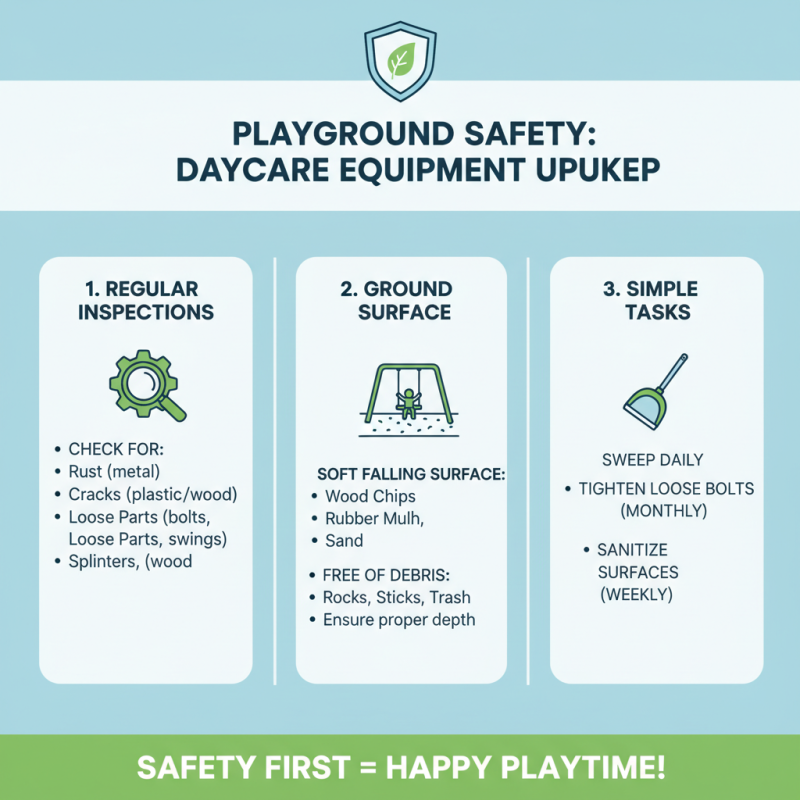
Maintaining daycare playground equipment is crucial for safety and enjoyment. Regular inspections help identify wear and tear. Look for rust, cracks, and loose parts. Pay attention to the ground surface. It should be soft and free from debris. Simple tasks, like sweeping, make a big difference.
Cleaning is also vital. Use mild detergents and warm water to remove dirt. Rinse well to avoid slippery residues. Ensure slides and swings are free from obstructions. These small actions can prevent accidents. Sometimes, even equipment that looks fine can have hidden issues, so always be cautious.
Consider creating a maintenance schedule. Document inspections and repairs. This not only helps keep track of upkeep but allows staff to learn from past mistakes. If equipment breaks, repair it promptly. Delays can lead to unsafe play conditions. Reflect on how proper care not only ensures safety but also extends the life of your playground.
Incorporating Age-Appropriate Play Structures in Daycare
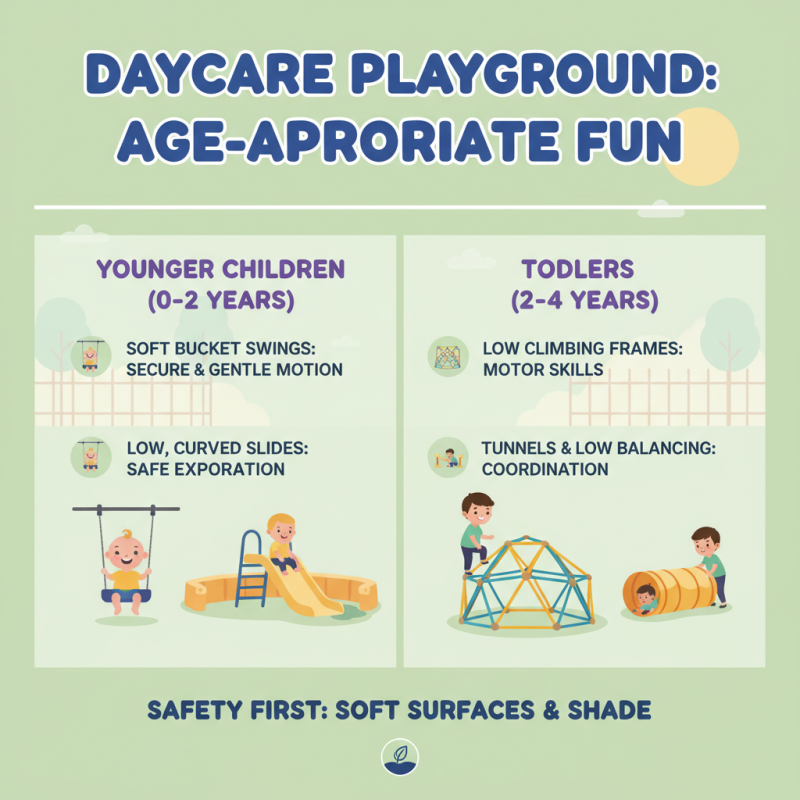
Creating a daycare playground requires thoughtful consideration of age-appropriate play structures. Younger children need equipment that is safe and within their reach. Consider soft swings or small slides that promote exploration without risk. For toddlers, low climbing frames can encourage motor skills development. These structures should be scaled down, allowing children to navigate safely.
For slightly older kids, play structures can become more challenging. A small obstacle course may engage them physically and socially. However, it’s crucial to evaluate these structures regularly. Some components may wear out or become unsafe over time. Regular inspections and maintenance ensure children stay safe during play. Adequate cushioned surfaces underneath equipment help mitigate falls.
While planning the layout, avoid overcrowding the space. Children need room to move freely. A chaotic playground can lead to accidents. Think about visibility as well. Caregivers should easily oversee all activity areas. Finding the right balance between fun and safety can be difficult. It's vital to teach children how to use equipment responsibly. Play should always encourage creativity and cooperation.
Creating an Engaging and Safe Outdoor Play Environment
Creating an engaging and safe outdoor play environment is essential for children. Safety should be the top priority when selecting playground equipment. Ensure surfaces are soft and impact-absorbing. Materials should be free of sharp edges. Consider the age group of children using the equipment. Design could include slides, swings, and climbing structures that stimulate imagination.
Regular maintenance is key to preventing accidents. Equipment should be checked often for wear and tear. Encourage children to use equipment as intended. Misuse can lead to injuries. Parents and caregivers should supervise playtime. Sometimes it's tempting to let kids explore freely, but vigilance is necessary to ensure safety. Regularly observe how children play. This can provide insights into potential hazards or equipment that may need adjustments.
Incorporating sensory play features can enhance engagement. Consider adding water elements or sandboxes to stimulate creativity. These areas can become messy, and that's okay. Embrace the chaos of play. It's part of the learning process. However, always assess the cleanliness and safety of these spaces. Engaging with children during play can also inspire you to rethink the layout or features of the play area. Make it a collaborative experience.
 +86-13901441113

 CONTACT NUMBER
 CONTACT NUMBER