How to Choose the Best Playground Sets for Your Needs?
Choosing the right Playground Sets for your yard can be a significant task. With so many options available, parents often feel overwhelmed. This journey requires careful consideration of various factors, including safety, age appropriateness, and available space.
Playground Sets should cater to your children's needs and encourage active play. Look for durable materials that can withstand weather changes. It’s essential to reflect on your children’s interests. Do they prefer climbing, sliding, or swinging? Reading reviews and seeking expert advice can help you make informed decisions.
Remember that each family’s situation is unique. What works for one may not be suitable for another. Take time to assess your yard space and budget. Prioritizing safety can lead to better experiences for kids. The perfect Playground Sets enhance both fun and security, making outdoor play a joy for all.
Understanding Different Types of Playground Sets and Their Features
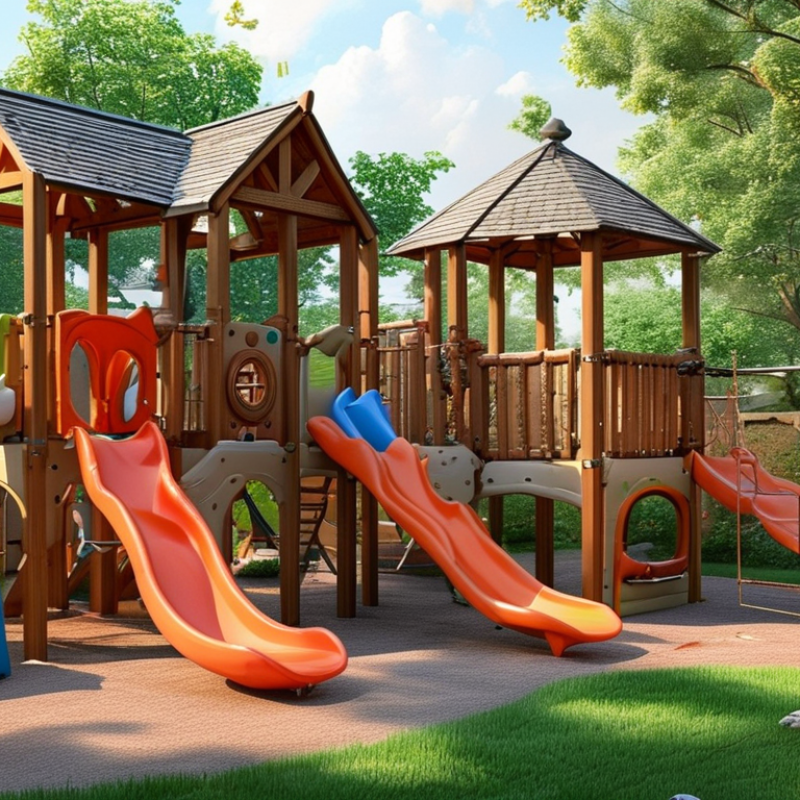
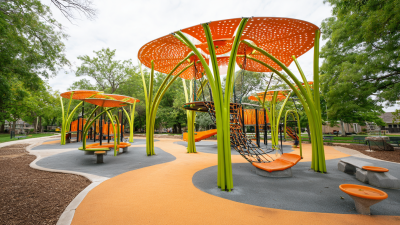
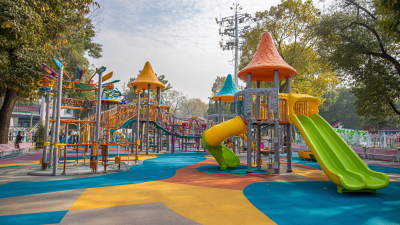
Choosing the right playground set is crucial for both fun and safety. There are various types available, each offering unique features. Some sets include swings, slides, and climbing structures. Others focus on specific activities, like sports or creative play. Consider who will use the set. Younger children often enjoy simple designs with low heights. Older kids might seek more challenging equipment.
Materials also vary. Wooden sets can provide a classic look but may require more maintenance. Metal sets are durable but could get hot in the sun. Plastic equipment is often colorful and safe, perfect for smaller kids. However, it may not withstand heavy use. Look for safety features too. A sturdy foundation, rounded edges, and non-toxic materials are essential.
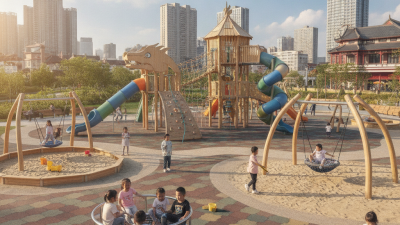
Playground sets should promote imaginative play. Some configurations allow for building forts or hideaways. Consider how your space can accommodate the set. You might find yourself measuring and rethinking your yard layout. Always assess your family's needs. The right choice fosters not just physical play but social interactions as well. Reflect on what will truly benefit your children in the long run.
Evaluating Safety Standards and Materials for Playground Equipment
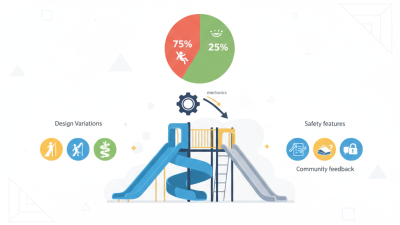
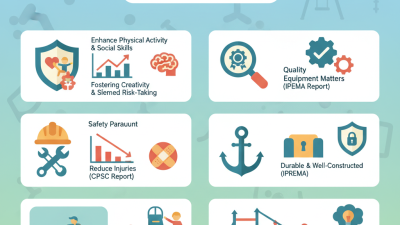
When choosing playground sets, evaluating safety standards is crucial. According to the U.S. Consumer Product Safety Commission (CPSC), injuries related to playground equipment account for about 20,000 emergency room visits annually. Selecting equipment that meets safety standards is essential for minimizing risks. Look for sets that comply with the ASTM International standards, which provide guidelines for design, installation, and maintenance. This ensures that the equipment is built to withstand daily use while keeping children safe.
Materials also play a significant role in playground safety. Wood, metal, and plastic are common choices, but their qualities differ. For example, pressure-treated wood can resist decay, but it may leach chemicals. Conversely, high-density polyethylene is safer but can crack over time. A 2021 study showed that equipment made from high-quality materials has a lower injury rate. Parents should consider these factors seriously to ensure a safe play environment.
While it's tempting to overlook minor defects, they can lead to bigger issues. Inspect the equipment regularly for wear and tear. Reassess the playground area if it lacks adequate spacing and protective surfaces. Safety isn't just about compliance; it's an ongoing process that requires vigilance and attention. Make informed choices for your community's children.
Safety Standards and Material Evaluation for Playground Sets
Sizing Your Playground Set to Fit Available Space and User Age Groups
When selecting the right playground set, consider the available space and the age groups of its users. A guideline from the American Society for Testing and Materials (ASTM) suggests that a play area should have a minimum of six feet of safety space around equipment. This ensures children can play safely without crowding. For younger children aged 2 to 5, equipment should be lower to the ground, with the maximum height set at 4 feet. Meanwhile, play structures for older children, aged 5 to 12, can go up to heights of 7 feet, providing more adventurous options.
The dimensions of your yard will influence your choices significantly. If you have only a small backyard, you might face challenges fitting larger sets. Industry data indicates that 40% of parents underestimate the necessary space for optimal safety. Compact designs for smaller yards can still provide variety and engagement. Large swings and climbing walls might not fit well, causing parents to overlook possibilities for creative solutions. Reflecting on available space and the intended users brings forth a balanced approach to choosing the best playground set. Keep in mind that regular assessments of the space and equipment are vital to ensure ongoing safety and enjoyment.
Budgeting for Playground Sets: Cost Considerations and Investment Value
When budgeting for playground sets, various factors come into play. First, consider your overall budget. Playground equipment can vary in price significantly, from a few hundred to several thousand dollars. Analyze what you can afford. This will guide your choices without straining your finances.
Investment value is equally important. Cheaper options might save money upfront, but they could lack quality and durability. Assess materials and construction carefully. For instance, wooden sets may require more maintenance than plastic ones. Reflect on how often the equipment will be used. More frequent use justifies spending on better quality.
Don't overlook additional costs. Installation, safety features, and maintenance can add up. A lower initial price might lead to higher long-term expenses. Evaluating these factors ensures you choose playground sets that meet your needs without compromising safety or quality. Consider all angles before making a decision.
Maintenance Requirements for Playground Equipment to Ensure Longevity
Maintaining playground equipment is vital for its longevity and safety. Regular inspections are essential. Look for loose bolts or any signs of wear. It's recommended to check the surface for hazardous debris, as this can lead to injuries. Clean surfaces to prevent mold and mildew. This not only keeps the equipment looking good but also reduces health risks.
Weather can take a toll on playground sets. For instance, strong winds and heavy rain may cause damage over time. Consider using protective covers during harsh weather conditions. Also, treatments for wood components can help prevent rot and decay. Keeping a log of maintenance activities can aid in identifying patterns or recurring issues. This approach ensures you stay proactive rather than reactive.
Involving kids in the upkeep can teach them responsibility. They'll learn about safety and the importance of maintaining playgrounds. Yet, it's crucial to remind them to notify an adult about any damaged equipment. Creating a checklist for regular maintenance could simplify the task. This can easily be overlooked but significantly impacts safety and enjoyment.
 +86-13901441113

 CONTACT NUMBER
 CONTACT NUMBER