How to Choose the Best Play Sets for Your Kids?
Choosing the right play sets for your kids can feel daunting. These structures need to be safe, engaging, and age-appropriate. Kids thrive when they have opportunities to explore and use their imaginations. Play sets serve as more than just entertainment; they become a world of adventure.
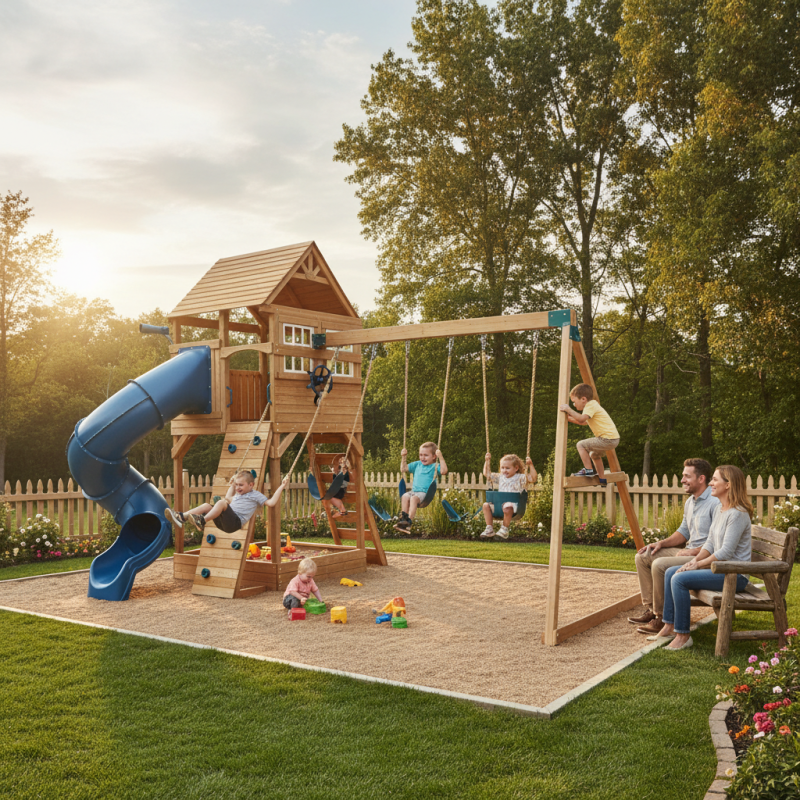
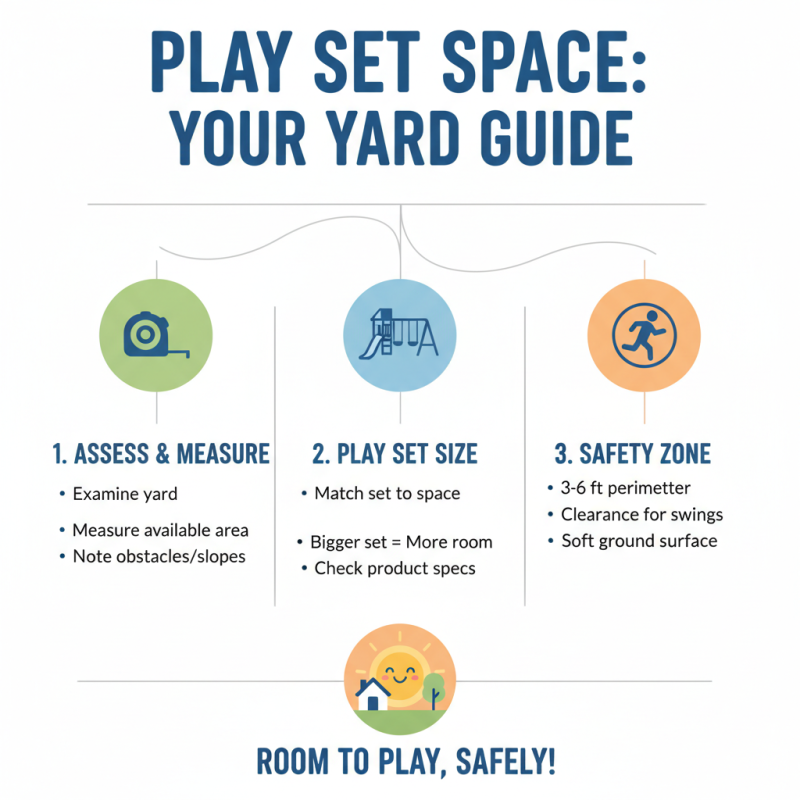
When considering options, think about the space available in your yard. The size of the play set matters. Not all kids enjoy the same types of play. Some might love swings, while others prefer slides. Pay attention to what excites your children.
Safety features should never be overlooked. Check materials, stability, and design. Unstable play sets can lead to accidents. Know that no play set is perfect. Each choice comes with its own strengths and weaknesses. Reflect on what best suits your family’s needs. Keep kids’ preferences at the center of your decision-making.
Factors to Consider When Choosing Play Sets for Kids
Choosing the best playsets for your kids involves several important factors. One core aspect is safety. According to the American Society for Testing and Materials (ASTM), all playsets should meet certain safety standards. This includes checking for sharp edges, stability, and the height of the slide. A safe playset can prevent accidents.
Space is another crucial factor. Assess your yard's size. For smaller yards, compact designs work best. Larger spaces can accommodate swing sets or multi-activity units. Interestingly, 35% of parents report feeling overwhelmed by choices. A simple design might cater to younger kids' needs while allowing for growth.
Material selection significantly impacts longevity. Wooden playsets may last longer but require more maintenance. Metal options are often sturdy but might get hot in direct sun. Parents should consider the climate and terrain, as these factors can affect the playset's durability. Reflect on your family's lifestyle. Will your kids outgrow the playset quickly? A well-thought-out selection can foster imaginative play and personal growth in children.
Types of Play Sets Available for Different Age Groups
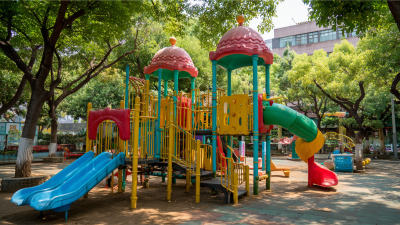
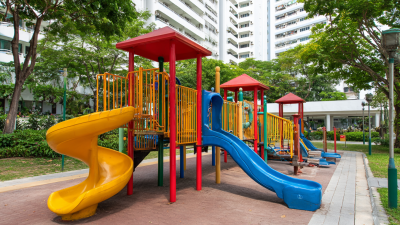
When selecting play sets for children, age appropriateness is crucial. The needs of toddlers differ greatly from those of school-aged children. According to the American Association of Pediatrics, play sets suitable for ages 2-5 should focus on safety and simple, imaginative play. Structures designed for this age group often include small slides, climbing areas, and toys that encourage social interaction. Bright colors and accessible features help stimulate young minds and aid in development.
For children aged 6-12, play sets can be more complex. Research from the National Institute for Play suggests that these structures should encourage physical activity and coordination. Features like multi-level towers, climbing walls, and swings that challenge balance skills are ideal. Safety is still paramount. Yet, children in this age group can handle more adventurous and imaginative elements. This age group benefits from play sets that encourage creativity while also fostering social skills.
Parents should consider durability and maintenance when choosing play sets. Many families face the reality of wear and tear. What works today may not last through the years. Regular inspections are necessary to ensure safety. Some play sets may require adjustments or replacements sooner than expected. Balancing the desire for high-quality playtime with practical concerns is essential.
How to Choose the Best Play Sets for Your Kids? - Types of Play Sets Available for Different Age Groups
| Age Group |
Play Set Type |
Key Features |
Benefits |
| 1-3 Years |
Toddler Playsets |
Soft materials, low height, simple designs |
Encourages gross motor skills, safe exploration |
| 3-5 Years |
Mini Jungle Gyms |
Climbing structures, slides, activity panels |
Promotes physical activity, encourages imaginative play |
| 5-8 Years |
Backyard Playsets |
Swings, slides, climbing walls |
Develops coordination, promotes social interaction |
| 8+ Years |
Advanced Play Systems |
Multi-level structures, zip lines, forts |
Encourages teamwork, challenges physical limits |
Safety Features and Material Quality in Play Sets
When choosing play sets for children, safety features and material quality are crucial. According to a report by the American Society for Testing and Materials, nearly 200,000 children visit emergency rooms each year due to playground injuries. This statistic highlights the importance of selecting play sets designed with safety in mind. Look for equipment that features rounded edges and sturdy construction to minimize risks.
Material quality is equally essential. Many play sets are made from wood or plastic, but not all materials are equal. A 2022 report from the National Association of Home Builders reveals that untreated wood can splinter easily, posing a hazard. Opt for play sets made from pressure-treated lumber or high-quality plastics that are UV-resistant and free from harmful chemicals. Regularly inspecting and maintaining these materials ensures a safer play environment.
It's important to consider the installation process as well. Many parents underestimate the significance of proper setup. Misalignment in equipment can lead to accidents. In fact, a survey by the Consumer Product Safety Commission noted that incorrect installation or lack of supervision contributed to a significant percentage of accidents. Always follow guidelines and recommendations for safe play configurations.
Cost vs. Value: Budgeting for a Play Set Purchase
When considering a play set for kids, budgeting is key. The cost of quality play sets can vary widely. For instance, basic wooden sets can start around $200 and soar to over $3,000 for larger, more intricate models. According to the American Society for Testing and Materials, safety and durability are crucial factors. Spending more can ensure better materials and protection.
However, parents often grapple with what “value” really means. A play set priced at $1,000 might have higher upfront costs but could last for more years, thus offering better long-term value. Research shows children use play sets an average of 6 to 10 years. It’s crucial to weigh these costs against how often your children will use them. A cheaper option might need replacing after just a few years.
Another point to consider is maintenance. Some play sets require more upkeep than others. For example, wood needs treatment, while metal can rust. These ongoing costs can add up. Reflecting on your budget means thinking strategically. Will this purchase truly benefit your family? Or will it become just another forgotten structure in the backyard?
 +86-13901441113

 CONTACT NUMBER
 CONTACT NUMBER