How to Choose the Best Childrens Playpark for Your Needs?
Choosing the right Children's Playpark can be a daunting task. According to recent industry reports, over 70% of parents seek safe and engaging environments for their children. These playparks are essential for child development, fostering physical activity and social skills. However, not all parks are created equal.
Design and safety standards vary widely. A report by the National Association for Playgrounds indicates that nearly 40% of play equipment does not meet safety regulations. This highlights the importance of choosing a reputable provider. Parents must research the materials and structures used in the design of the playpark.
Community feedback is invaluable. Many parents express concern over inadequate supervision in playparks, leading to accidents. The right Children's Playpark should prioritize safety while offering diverse play options. Ensuring these factors can greatly enhance children’s play experiences. Remember, a thoughtful choice can impact your child’s joy and safety.

Identifying the Key Features of an Ideal Children's Playpark
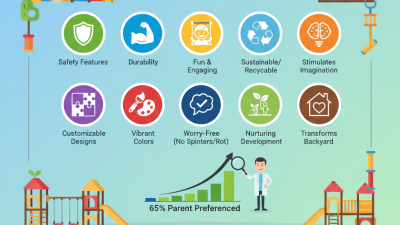
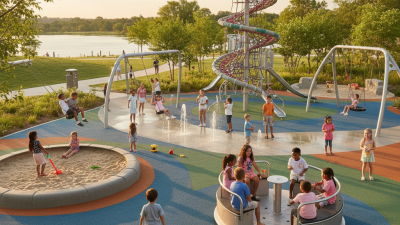
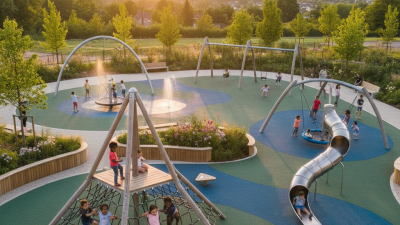
When selecting the ideal children’s playpark, parents should focus on several key features. Safety is paramount. Look for parks equipped with soft surfaces and age-appropriate equipment. Check for sturdy structures that can withstand wear and tear. Parents need to feel confident their children will play in a safe environment. Inspect if there are safety guidelines displayed, and if staff conduct regular maintenance checks.
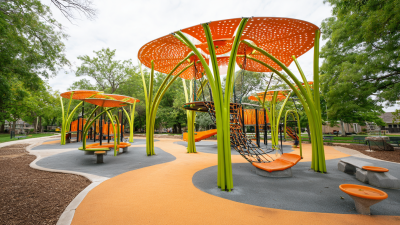
Accessibility is another crucial feature. A good playpark should accommodate children of all abilities. Look for wheelchair-accessible paths and inclusive play structures. This ensures all children can engage and enjoy. It’s important to consider the layout as well. Parks that provide plenty of open space can encourage imaginative play, while shaded areas offer comfort during sunny days.
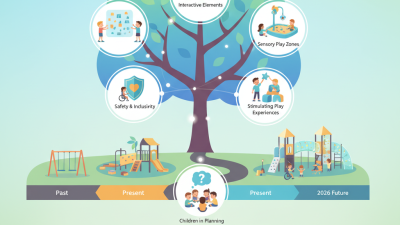
Additionally, consider the variety of play options available. Parks should feature climbing structures, swings, slides, and interactive stations. These elements cater to different interests and developmental stages. However, while a playpark can offer endless fun, it’s crucial to reflect on the balance between structured play and free exploration. Providing children with choices promotes creativity, yet too many options can overwhelm them. Finding the right mix is essential for a fulfilling experience.
Key Features of an Ideal Children's Playpark
Assessing Safety Standards and Regulations for Play Areas
When selecting a children's play park, safety is paramount. Assess the safety standards and regulations set by local authorities. Many regions have specific guidelines that dictate the materials and construction standards for play equipment. Ensure the park complies with these rules to reduce the risk of accidents.
Look for parks with appropriate surfacing materials like rubber or wood chips. These materials cushion falls and minimize injury. Regular maintenance is essential; playgrounds should be inspected frequently for wear and tear. Broken equipment or sharp edges pose serious dangers. A well-maintained park increases safety for children.
It's important to consider visibility as well. Parents should easily supervise their kids while they play. Parks should have clear sightlines and not be overly enclosed. This openness allows caregivers to quickly assess any potential hazards.
Contemplating these factors helps ensure a safer environment for children while they enjoy their playtime.
Evaluating the Variety of Play Equipment Available
When choosing a playpark, reviewing the variety of play equipment is essential. Look for structures that inspire children’s imagination. Slide designs should cater to various ages, ensuring safety and enjoyment. Climbing walls can encourage physical strength and coordination, while swings add a classic element that kids love.
Consider equipment that promotes social interaction. Features like sandbox areas or group play structures can foster friendships. It's important to assess how well these options suit your child's interests. Sometimes, parks might lack a diverse range of activities. This can lead to boredom or limited engagement, so choose wisely.
Tips: Pay attention to the materials used in each piece of equipment. Safe, weather-resistant materials can endure wear and tear. Additionally, observe how many kids can play together at once. Crowded equipment can lead to frustration. Ensure the park is inclusive, with options for every child’s ability level.
Considering Accessibility and Location of the Playpark
When selecting a children's playpark, accessibility and location are crucial. Over 19% of children have some form of disability. Playparks must be safe and navigable for everyone. This includes having wheelchair ramps and sensory-friendly equipment. According to a study by the National Recreation and Park Association, inclusive play options are essential for promoting overall childhood development.
Location plays an equally important role. A playpark within walking distance can encourage regular use. Research shows that children who can access nearby parks are more likely to be physically active. In urban areas, walkable playparks can boost community engagement. A well-located facility invites families to gather, socialize, and form connections.
A reflection on personal needs is vital. Not all playparks are created equal. Some might lack adequate shade or seating. Parents should assess whether the amenities align with their family's needs. Safety features should also be evaluated. Parks with soft-fall surfaces reduce injury risks. A thoughtful choice requires evaluating these elements to ensure a positive experience for all children.
How to Choose the Best Childrens Playpark for Your Needs? - Considering Accessibility and Location of the Playpark
| Playpark Name |
Location |
Accessibility Rating |
Facilities Available |
Age Group |
| Sunnyvale Playpark |
Sunnyvale, CA |
4.5/5 |
Slides, Swings, Climbing Walls |
2-12 years |
| Greenfield Recreation Area |
Greenfield, MA |
4.2/5 |
Sandbox, Traditional Swings, Picnic Area |
3-10 years |
| Maplewood Adventure Park |
Maplewood, NJ |
4.8/5 |
Water Play, Zip Line, Group Activities |
5-15 years |
| Riverside Play Zone |
Riverside, CA |
4.7/5 |
Play Structures, Safety Surface, Restrooms |
2-8 years |
| Pine Crest Playpark |
Pine Crest, FL |
4.0/5 |
Freestyle Play Areas, Nature Trails |
All Ages |
Gathering Feedback from Other Parents and Caregivers
When choosing a children’s playpark, gathering feedback from other parents and caregivers is invaluable. Their experiences provide insights that can shape your decision. Ask for opinions from friends or local parenting groups. Often, first-hand accounts reveal the pros and cons of specific parks.
For instance, some parents mention safety features, while others highlight the quality of play equipment.
Look beyond just the amenities. Consider the atmosphere and community engagement. A park where caregivers gather can enhance your child's social experiences. Some parents appreciate parks that host events or activities. These can foster a sense of belonging and connection for both kids and adults.
However, not all feedback will be positive. Some reviews might mention overcrowding or maintenance issues. It’s essential to weigh these concerns. Reflect on your own family's needs. Does accessibility matter? Are you looking for a quiet place? Taking time to research will ensure you find a playpark that aligns with your expectations.
 +86-13901441113

 CONTACT NUMBER
 CONTACT NUMBER