How to Choose the Best Playground Facilities for Your Needs?
Choosing the right playground facilities is essential for enhancing children's play experiences. A well-designed playground can foster creativity, physical activity, and social interaction. However, selecting the best facilities can be challenging. With many options available, it may feel overwhelming.
Consider the needs of your community. Think about the age range of children who will use the playground. Not every facility will meet every child’s needs. Look for equipment that encourages inclusive play. Playgrounds should cater to both active play and quiet areas for rest.
Evaluate safety features as well. Inspect materials and design. Remember, durability and maintenance are crucial for long-term enjoyment. Engage with parents and children to understand their preferences. Their feedback can guide you in making informed decisions about playground facilities. Each choice you make influences the overall experience. Reflect on what aspects are most valuable to your community.
Understanding Your Specific Playground Needs
When choosing playground facilities, understanding specific needs is essential.
Different age groups require different types of equipment. For toddlers, soft surfaces and
smaller structures are vital. Safety should always come first. Adults may need fitness stations as well.
Think about who will use the playground.
Consider the location and space available. A small community park may not accommodate large structures.
Try to visualize how kids will interact with the equipment. Will they run, explore, or climb? Create an
inclusive environment. This means catering to children with disabilities too.
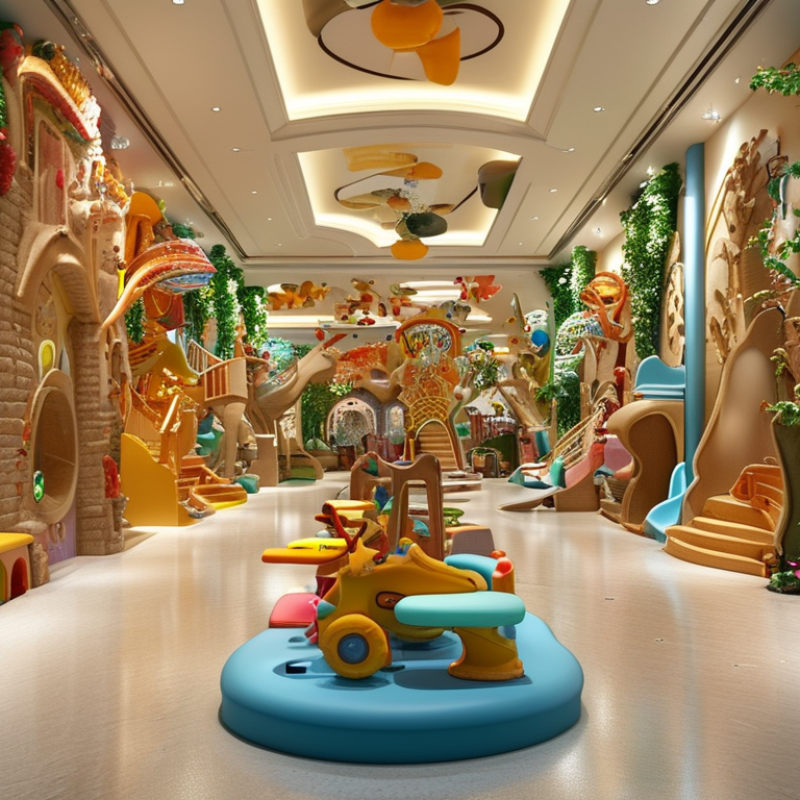
Incorporating sensory play is essential.
Reflect on the local community. What activities do children enjoy? Are there enough
social spaces? Sometimes, parents have different preferences than children.
Balancing safety and fun can be tricky. Engage with families to gather their insights. This will promote
a sense of ownership. Understanding these specific needs helps create successful playgrounds.
Evaluating Safety Standards and Regulations
When choosing playground facilities, safety should be a top priority. Evaluating safety standards is crucial. Look for equipment made from durable materials that can withstand wear and tear. Soft surfaces, like rubber mats or grass, minimize injury risks. Check for age-appropriate structures to ensure children can play safely while enjoying themselves.
Local regulations often dictate safety requirements. Inspect if the facility follows these standards. Certification from a recognized authority indicates compliance with safety measures. Ask about regular maintenance checks. Equipment that gets frequent inspections reduces potential hazards.
While researching, some facilities may seem perfect, yet they fall short in other aspects. Reflecting on your needs is essential. Think about the overall environment, not just the equipment. Are there sufficient shade and seating areas? How accessible is the facility for everyone? A playground that overlooks such details may not serve well in the long run.
How to Choose the Best Playground Facilities for Your Needs? - Evaluating Safety Standards and Regulations
| Facility Type |
Safety Standards |
Age Group |
Material Used |
Maintenance Frequency |
| Swings |
ASTM F1487 |
2-12 years |
Metal/Plastic |
Monthly |
| Slide |
CPSC |
2-12 years |
Plastic/Metal |
Bi-Annually |
| Climbing Frame |
EN 1176 |
5-12 years |
Wood/Metal |
Weekly |
| Seesaw |
ASTM F1148 |
3-10 years |
Plastic/Metal |
Monthly |
| Sandbox |
CPSC |
1-8 years |
Wood/Plastic |
Monthly |
Exploring Different Types of Playground Equipment
When exploring different types of playground equipment, consider the age group of your children. Younger kids often benefit from equipment designed for their size and abilities. Pieces like small slides or low climbing structures are ideal. These promote safe exploration while encouraging physical activity.
For older children, equipment should challenge their skills. Features such as taller climbing walls or complex jungle gyms can test their limits. However, safety remains crucial. Make sure there is adequate cushioning beneath these structures, like soft rubber or mulch. This ensures fewer injuries during playtime.
Inclusivity is another important factor. Equipment that accommodates children with disabilities can promote social interaction. Look for swings with harnesses or ramps for easy access. While selecting playground facilities, also reflect on your community's needs. Different spaces encourage unique types of play and interaction.
Assessing Accessibility and Inclusivity Features
When selecting playground facilities, accessibility and inclusivity are critical.
According to a report from the National Center for Education Statistics, nearly 15% of students in the U.S. have disabilities.
Playgrounds must cater to diverse needs. Features like wheelchair ramps, tactile surfaces, and sound elements offer sensory stimulation.
These adaptations make play accessible to all children.
Elements promoting inclusivity are vital. Inclusive swings and multi-sensory play panels allow children with varying abilities to engage together.
A study published by the National Association for Sport and Physical Education indicates that inclusive play environments enhance social interactions among peers.
However, not all playgrounds meet these standards. Some facilities still lack proper equipment or layout for optimal access.
Evaluating materials and design is essential. Using non-slip surfaces can prevent accidents.
Designing spaces that encourage interaction among differently-abled children fosters community. Yet, many communities overlook the importance of feedback from families about these features.
Inclusivity is not just about installation; it's an ongoing conversation. Ensuring that playgrounds are truly inclusive requires constant assessment and improvement.
Considering Maintenance and Durability Factors
When selecting playground facilities, maintenance and durability are crucial aspects. Durable materials, like recycled plastic and metal, can withstand the elements. Look for equipment with long warranties. These often indicate the manufacturer's confidence in their products. Regular maintenance helps to ensure safety, especially for high-traffic areas.
Consider the local climate when choosing equipment. Some materials perform better in specific conditions. For example, wood may require more upkeep in humid areas. Inspecting equipment regularly for wear and tear is essential. Rust, splinters, or loose connections can compromise safety over time.
Hiring professionals for installation can enhance durability. They understand local standards and best practices. Also, check for community input on playground usage. This feedback can reveal insights into what features get used the most. Reflecting on these aspects can guide your decisions, ensuring your investment stands the test of time.
 +86-13901441113

 CONTACT NUMBER
 CONTACT NUMBER