Why Choose Playground Systems for Your Community Park?
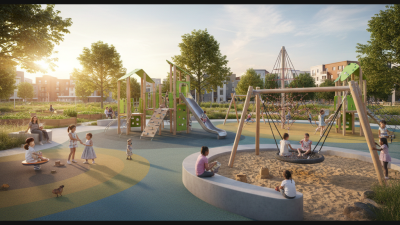
Creating a vibrant community park is essential for fostering social interaction and healthy play. Choosing the right equipment is crucial. Playground Systems provide a multitude of benefits for parks, enhancing the space for children and families. They offer innovative designs, safety features, and inclusive options.
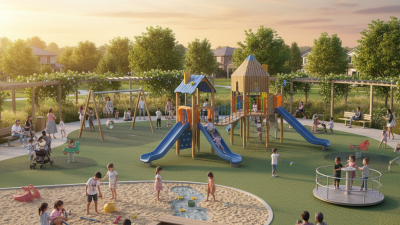
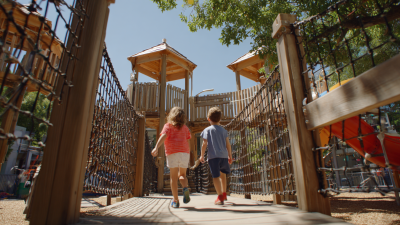
Imagine a lively park filled with children laughing and playing. Playground Systems can transform this vision into reality. They create safe environments that encourage creativity and physical development. With various themes, colors, and structures, these playgrounds appeal to different age groups.
However, not every system suits every park. Communities must reflect on their unique needs. Factors like accessibility, space, and community preferences come into play. Striking the right balance is important to ensure that everyone feels welcome. Playground Systems should not just be seen as structures but as vital parts of community bonding. The choices made today shape the memories of tomorrow.
Benefits of Playground Systems for Community Engagement
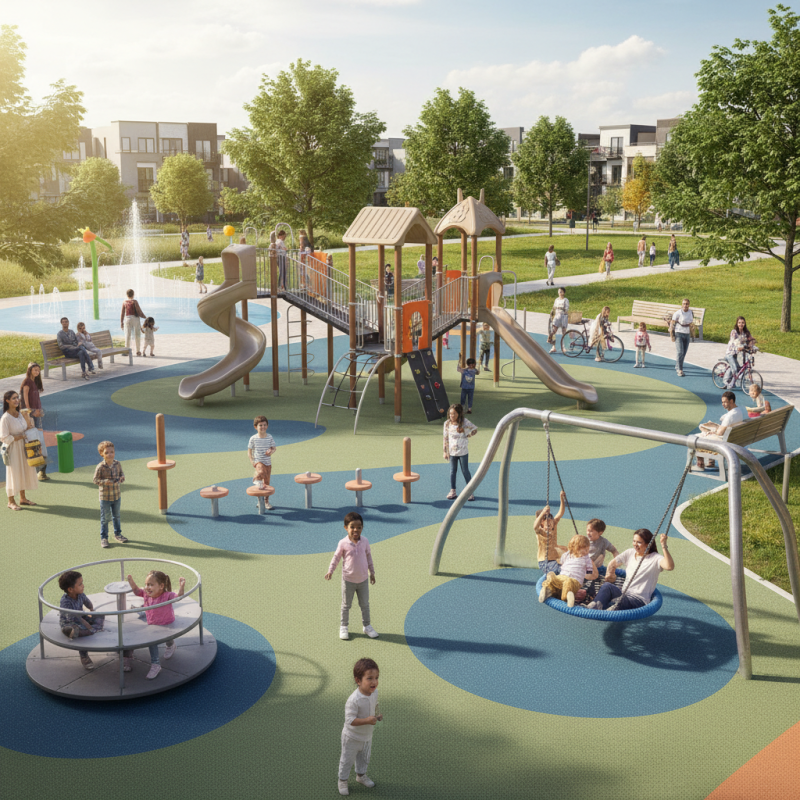
Community parks play a vital role in social engagement. Playground systems are a key feature that brings people together. Studies show that parks enhance community ties. According to the National Recreation and Park Association, 84% of residents value their local parks for fostering connections.
Playground systems encourage children and families to interact. These environments promote physical activity and enhance social skills. A report from the American Academy of Pediatrics highlights that active play reduces stress and improves mood. Furthermore, inclusive playgrounds ensure that all children can participate. They cater to diverse abilities, which fosters acceptance and teamwork among kids.
Yet, not all parks are fully utilized. Some playgrounds lack modern features or accessibility. Community feedback is essential for improvement. Regular surveys can help identify what families want. By investing in quality playground systems, communities can create spaces that truly engage and uplift their residents. The data speaks volumes: investing in parks is investing in community health.
Safety Features of Playground Systems in Parks
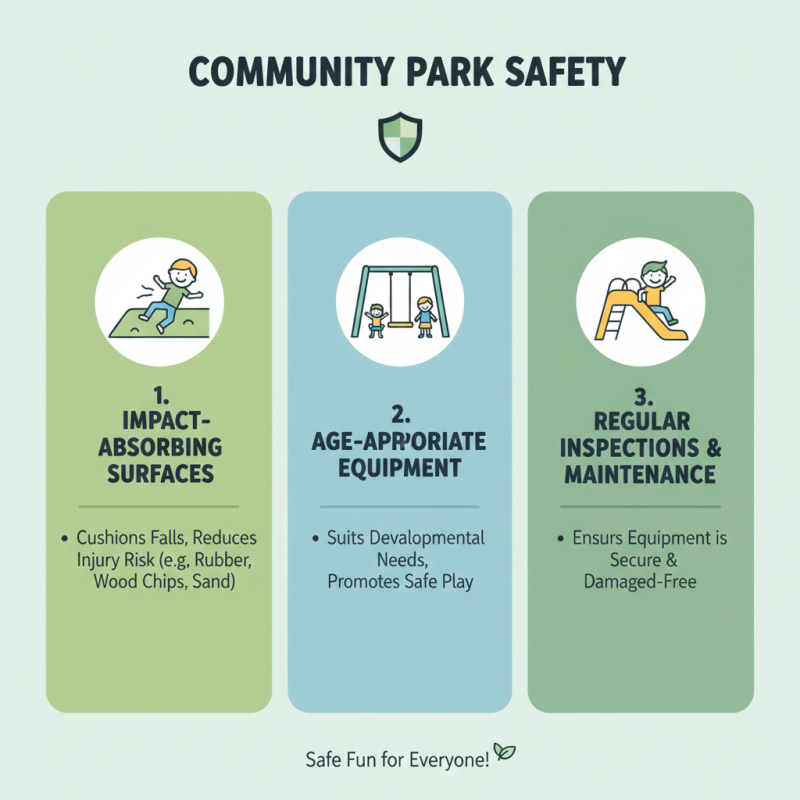
Safety is a top priority in community parks. Playground systems are designed with multiple safety features. Soft, impact-absorbing surfaces cushion falls. These surfaces reduce injury risk when children play. Additionally, age-appropriate equipment ensures kids use structures suited to their developmental needs. This encourages safe exploration and fun.
Another important aspect is equipment design. Rounded edges and smooth finishes minimize hazards. Climbing structures often have safety rails to prevent falls. Regular safety inspections help keep equipment in good condition. However, maintenance requires community effort. Neglecting minor repairs can lead to bigger issues over time. It’s essential to engage the community in safety awareness and upkeep.
Signage is also a key safety feature. Clear instructions can guide safe play practices. Yet, sometimes signs go unnoticed or are overlooked. It’s vital to ensure they are visible and engaging. Creating a culture of safety contributes greatly to a secure play environment. As communities invest in playground systems, a focus on safety features can enhance children's experiences while mitigating risks.
Design Versatility of Playground Systems for Diverse Age Groups
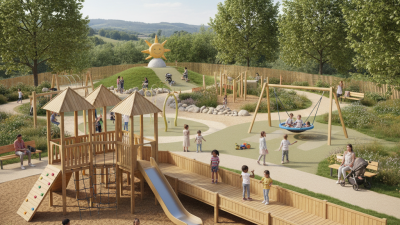
Community parks serve as essential spaces for families, offering fun and exercise for children of various ages. The design versatility of playground systems can cater to toddlers, school-aged kids, and even teenagers. These systems can include swings, climbing structures, and slides, all tailored to different developmental stages.
Young children thrive in areas specifically designed for their safety, such as soft surfaces and lower equipment. Meanwhile, older kids prefer more challenging structures that promote physical skills. It's crucial to incorporate both types to prevent boredom and ensure engagement.
Often, park designs overlook the nuances of age groups. A park may have equipment for younger kids, but fail to include climbing walls or skate ramps for older ones.
Inclusivity plays a significant role in the appeal of playground systems. Elements like sensory-friendly areas and adaptive equipment can enhance the experience for children with disabilities. Still, many parks struggle with space limitations or budgetary constraints.
Effective planning requires thoughtful consideration of all these factors to truly create a community space that welcomes everyone.
Cost-Effectiveness of Installing Playground Systems in Community Parks
Community parks offer essential spaces for recreation. Installing playground systems can be cost-effective for local governments. According to a recent industry report, investing in playgrounds can yield a return of up to 85% in community benefits. These benefits include increased physical activity and improved social cohesion among residents.
The initial investment might seem high, but ongoing maintenance costs are relatively low. Surveys show that many communities spend less than 5% of their total park budget on playground upkeep. Additionally, engaging local organizations can provide funding support and resources, reducing the financial burden on municipalities. These collaborations may also enhance the playground's design and usability.
However, not all playground projects meet the anticipated outcomes. Many fall short due to a lack of community input in the planning phase. Involving families and children can lead to better-designed play areas that encourage daily use. It's also crucial to consider safety in design to avoid potential liabilities. Balancing excitement with caution is necessary for a successful playground system.
Environmental Sustainability in Playground System Materials and Design
When designing community parks, environmental sustainability is a critical consideration.
Playground systems can be crafted from recycled materials,
which help reduce waste. According to a recent report by the International Play Equipment Manufacturers Association,
using recycled plastic in playground equipment can cut energy consumption by 80%. This shift not only lowers carbon
footprints but also promotes responsible sourcing of materials.
Many communities opt for natural components, like wood and rubber, for their playgrounds.
Locally sourced wood minimizes transportation emissions and supports regional economies. However, untreated wood can be vulnerable
to weather and pests. Communities must consider maintenance, as natural materials may require more upkeep over time.
Additionally, incorporating solar energy solutions into playground designs
is an emerging trend. This approach is gaining traction, yet it can raise initial costs.
Balancing the upfront investment against long-term benefits is essential. While sustainable choices can be more costly,
the environmental advantages are undeniable. Embracing sustainable playground systems can lead to healthier communities, but it's crucial
to reflect on these trade-offs.
 +86-13901441113

 CONTACT NUMBER
 CONTACT NUMBER