Why is a Childrens Playpark Essential for Child Development?
A Children's Playpark is more than just a place to play; it is vital for a child's growth. According to Dr. Emily Carter, a leading child development expert, “Play is the language of children.” This underscores the importance of a Children's Playpark in fostering creativity and social skills.
In these vibrant spaces, children explore, imagine, and interact with their peers. They learn about sharing, taking turns, and conflict resolution through play. However, not all parks provide an enriching environment. Many lack safe equipment or sufficient supervision, which can dampen the experience.
While a Children's Playpark offers numerous benefits, it's essential to ensure these areas meet safety standards and encourage free play. Parents and communities must advocate for better facilities. This will ensure that every child has access to a space that nurtures their development. Each park should invite exploration and learning, maximizing its potential to contribute to nurturing healthy, well-rounded children.

The Importance of Play in Early Childhood Development
Play is a vital aspect of early childhood development. It allows children to explore their environment and express their creativity. Each swing, slide, and sandbox tells a story. In these spaces, they don't just play; they learn. They learn to share, negotiate, and solve problems. This natural setting helps build their social skills.
Children often dive into imaginative worlds. They might become superheroes or explorers. Through this role-playing, they develop empathy and emotional understanding. Sometimes, they have conflicts during play. These moments can be challenging but offer unique learning opportunities. Navigating disagreements teaches resilience.
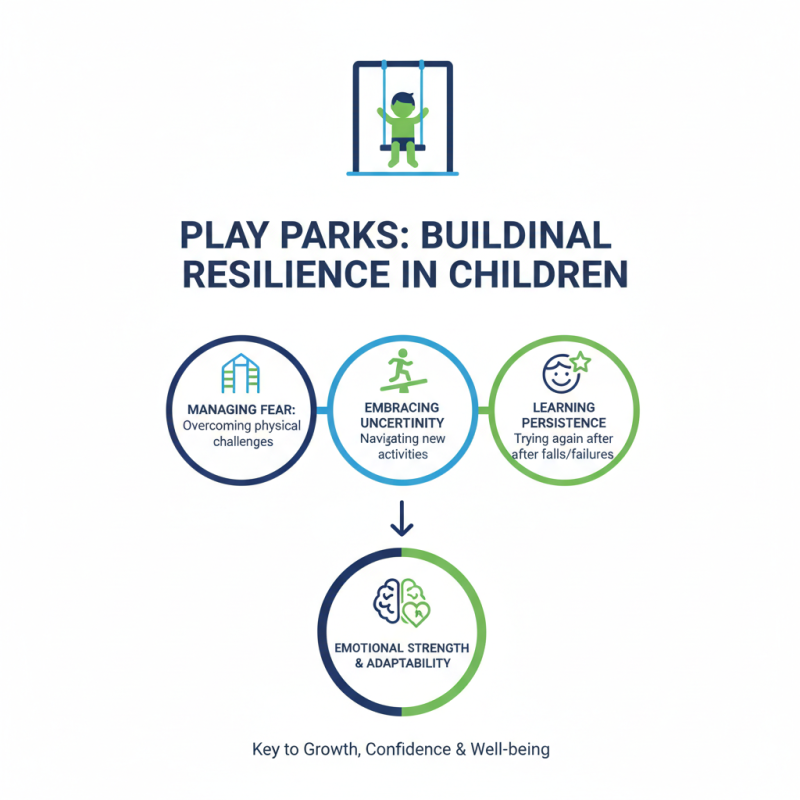
Physical activity is key to healthy growth. Running, jumping, and climbing strengthen their bodies. A playpark encourages active lifestyles. Many children are hesitant to try new things. Some may fear falling or failing. Yet, these small risks are important. Facing challenges builds confidence. Overcoming fears can transform play into powerful lessons.
Physical Benefits of Outdoor Playgrounds for Children
Outdoor playgrounds are vital for children’s physical growth. They provide a space for kids to run, climb, jump, and explore. This kind of active play develops motor skills and builds strength. Children learn to navigate different obstacles. They take risks in a safe environment, which boosts their confidence.
Playing outdoors also encourages social interaction. Kids engage with their peers and learn to share. They negotiate rules during games. However, conflicts can arise. This offers opportunities for children to develop conflict resolution skills. Sometimes, children may hesitate to join an activity. This behavior can be a challenge for their social development. Teachers and parents can help them through encouragement.
Moreover, outdoor play helps combat sedentary lifestyles. Children today spend too much time on screens. Parks provide a refreshing alternative. Fresh air and physical activity benefit their health. Yet, not all children enjoy these spaces equally. Some may feel overwhelmed. Recognizing this can lead to better support for different needs. Outdoor play is essential, yet it requires attention to individual comfort levels.
Why is a Childrens Playpark Essential for Child Development? - Physical Benefits of Outdoor Playgrounds for Children
| Development Aspect |
Benefits |
Activities |
Age Group |
| Physical Development |
Improves strength, coordination, and balance |
Climbing, running, swinging |
2-6 years |
| Social Skills |
Encourages teamwork and cooperation |
Group games, role plays |
3-8 years |
| Cognitive Skills |
Develops problem-solving skills and creativity |
Exploratory play, building with blocks |
4-10 years |
| Emotional Development |
Boosts self-esteem and helps learn to cope with emotions |
Free play, unstructured activities |
2-10 years |
| Health Benefits |
Promotes physical health and reduces obesity risk |
Running, jumping, active play |
All ages |
Social Skills Development Through Playpark Interactions
Playparks are more than just fun spaces; they serve as vital arenas for children's social skills development. Studies show that children who play together are more likely to become empathetic individuals. For instance, a report by the American Academy of Pediatrics highlights that active play fosters negotiation skills and cooperative behaviors. Kids learn how to share, take turns, and resolve conflicts—all crucial aspects of social interaction.
Interactions in a playpark can sometimes be messy. Children might argue over toys or space, leading to frustrations. These situations provide rich learning experiences, allowing kids to practice communication and emotional regulation. A research paper published by the Journal of Child Psychology indicates that unresolved conflicts can lead to improved problem-solving skills in future interactions. It’s essential to note that children often need adult guidance during these moments, as they can feel overwhelmed.
Moreover, the diversity within playpark settings exposes children to peers from different backgrounds. This exposure is crucial for broadening social perspectives. According to the National Association for the Education of Young Children, diverse social interactions improve children’s understanding of differing viewpoints. Yet, not all interactions are positive, and kids must learn to navigate complex social landscapes. The challenges faced can cultivate resilience and adaptability, key traits for their future endeavors.
Cognitive Growth and Problem-Solving in Play Environments
Children’s playparks serve as vibrant arenas for cognitive growth. They provide diverse environments that encourage exploration and creativity. When children navigate these spaces, they face various challenges. Climbing structures, swings, and sand pits stimulate problem-solving skills. As kids experiment with heights and balance, they learn to assess risks and make decisions.
In play areas, interactions with peers further enhance cognitive development. Kids negotiate roles in games, fostering communication and social skills. Disagreements or misunderstandings about game rules prompt discussions and resolutions. Children learn to empathize and consider other perspectives. Such dynamics are essential; they build resilience and critical thinking.
However, play environments are not always perfect. Sometimes, a lack of resources leads to limited play options, hindering full engagement. Inadequate supervision can result in safety concerns. These factors require attention. Reflecting on playpark designs is important. We must ensure these spaces support diverse play experiences while prioritizing child safety and growth.
Emotional Resilience and Confidence Built in Playparks
Children's playparks are vital for developing emotional resilience. As kids engage in various activities, they encounter challenges. Climbing a structure or balancing on a beam teaches them to manage fear and uncertainty. They learn that trying again is part of the process.
Every fall can hurt a little, but it often leads to laughter. Friends cheering each other on fosters a sense of belonging. Social interactions in playparks help them express emotions. They negotiate, share, and sometimes argue. These experiences shape their confidence.
Yet, it’s not always perfect. Some children may struggle with inclusivity. Feeling left out can be tough. However, such moments offer lessons in empathy. Encouraging them to help others can build their self-esteem. Playparks aren't just for fun; they are a training ground for life skills.
 +86-13901441113

 CONTACT NUMBER
 CONTACT NUMBER