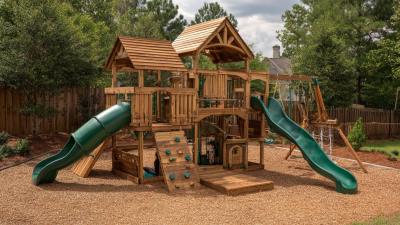
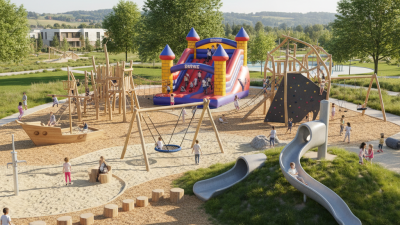
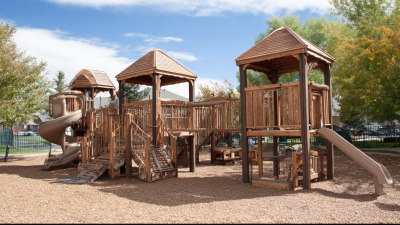
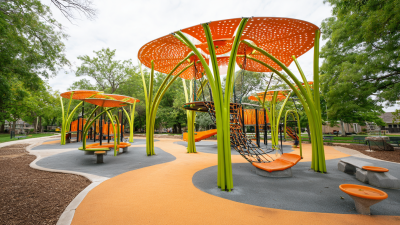
2026 Best Playground Equipment for Kids What to Consider?
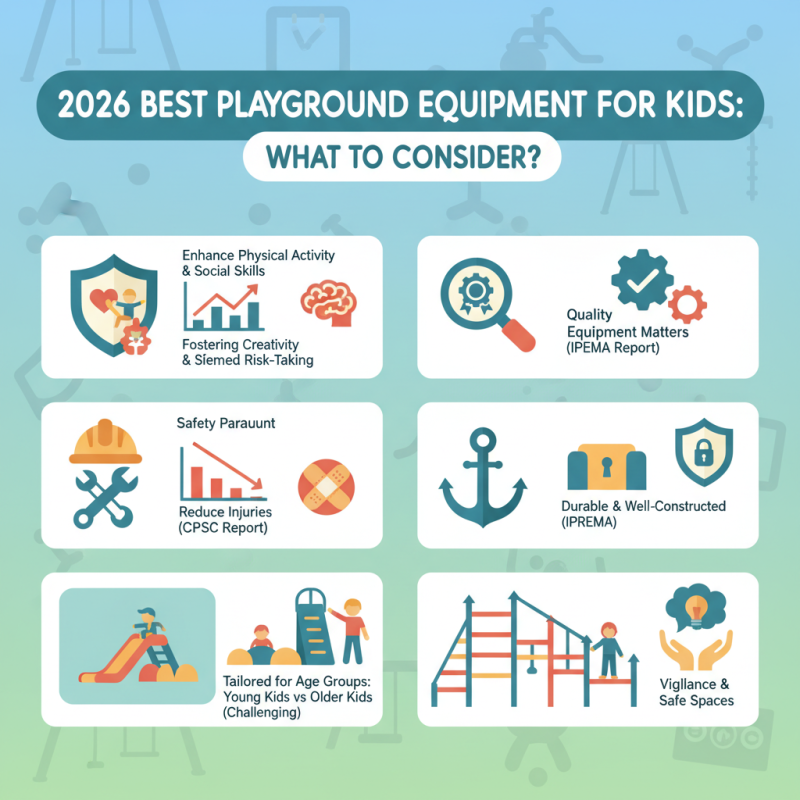
Choosing the right playground equipment for children is more crucial than ever. A recent report by the International Playground Equipment Manufacturers Association (IPEMA) highlights that quality equipment can significantly enhance kids' physical activity and social skills. According to industry expert Dr. Emily Carter, "Well-designed playgrounds can transform a child's development, fostering creativity and risk-taking in a safe environment."
Playground equipment comes in various shapes and sizes. Many factors influence the choice of equipment. Safety is paramount, yet many designs still fall short of optimal safety standards. The Consumer Product Safety Commission (CPSC) reported that over 200,000 children visit emergency rooms each year due to playground-related injuries. This statistic underscores the importance of selecting durable, well-constructed equipment.
Moreover, different age groups require tailored equipment. For younger children, soft materials and safe heights are essential. In contrast, older kids may benefit from more challenging structures. The right playground equipment can stimulate imagination while ensuring safety. However, families and organizations must remain vigilant. Reflecting on these considerations helps create not only enjoyable but also safe spaces for children to thrive.
Key Features to Look for in Playground Equipment for Kids
When selecting playground equipment for kids, safety should be the top priority.
According to the National Association for Sport and Physical Education, about 200,000 children visit emergency rooms each year due to playground-related injuries. Look for equipment that meets safety standards. Features like rounded edges, non-toxic materials, and stable structures can significantly reduce risks.
Durability is another key feature. Playground equipment should withstand harsh weather conditions. Use materials like galvanized steel and high-density polyethylene. These options resist rust and fading, ensuring the equipment lasts longer. Some reports indicate that proper maintenance can extend the life of playground structures by up to 30%.
Tips: Engage your kids in the decision-making process. Let them choose equipment that excites them. This involvement can help develop their creativity and independence. Remember, not every playground option will please every child. Be ready to reassess choices if they do not meet your child's needs. Always consider age appropriateness. Equipment designed for younger kids may not suit older children, leading to frustration.
Safety Standards and Regulations for Playground Equipment
When choosing playground equipment, safety is paramount. Each piece must meet established safety standards. This ensures that children can play without undue risk. The equipment should be age-appropriate and designed to minimize injury. Soft surfaces, like rubber mats or mulch, can cushion falls. Schools and parks should inspect these areas regularly.
Regulations vary by location. It’s crucial to be aware of local guidelines. Some communities require specific certifications for equipment. Look for features like rounded edges and ample space. Parents often overlook these details. However, they can make a significant difference. Inspecting gear for wear and tear should be routine.
Emerging safety technologies are worth exploring. Some equipment now includes advanced materials that reduce risks. Yet, not all places are up to date. There may still be older structures posing hazards. Awareness and education about playground safety can help. Even small changes can significantly improve security for kids.
Age Appropriateness: Choosing Equipment for Different Age Groups
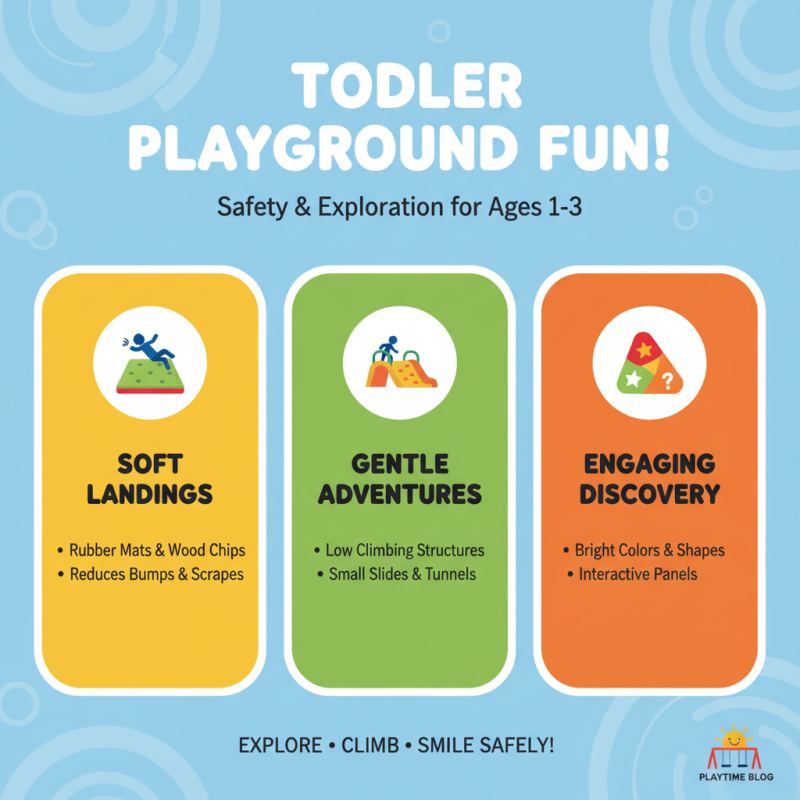
When choosing playground equipment for kids, age appropriateness is key. Young toddlers need soft surfaces and smaller structures. They love to explore, but safety is crucial. Look for equipment that allows for gentle climbing and sliding. Bright colors and engaging shapes attract their attention.
For preschoolers, slightly more complex structures can be exciting. Consider climbing frames that challenge their motor skills. They can try out swings and small slides. These promote physical development. However, always ensure enough space around the equipment to prevent accidents.
Older kids can handle more adventurous options. Think about higher slides or climbing walls. They crave challenges and independence. Yet, be cautious. Pick equipment that matches their skill levels. Sometimes, children may not feel ready for certain equipment, even if they are older. Pay attention to their comfort. Always encourage safe play while they explore their boundaries.
Material Choices: Wood, Plastic, or Metal for Playgrounds?
When selecting playground equipment, the choice of material plays a crucial role.
Wood, plastic, and metal each have unique qualities.
According to a study by the American Society for Testing and Materials, wood offers natural beauty but requires more maintenance.
It can splinter and needs periodic treatments to withstand the elements.
Plastic, on the other hand, appeals due to its durability and vibrant colors.
Reports suggest that playgrounds made from HDPE plastic have a lower risk of injury.
However, this material can get hot under the sun.
Metal structures are sturdy and long-lasting but may become slippery or too hot.
Tips: Consider safety first. Always aim for non-toxic materials.
Evaluate the climate in your area since it affects material longevity. Remember, kids are curious.
Design should allow for exploration while keeping them safe.
Ultimately, your decision should be based on the intended use, safety standards, and budget constraints.
Balancing these factors can be challenging, but giving kids a safe space to play is worth the effort.
Think about how materials will hold up over time. Reflect on maintenance needs when making your choice.
Maintenance Tips to Ensure Longevity of Playground Equipment
Proper maintenance of playground equipment is crucial for safety and longevity. According to a report from the U.S. Consumer Product Safety Commission, around 200,000 children visit emergency rooms annually due to playground-related injuries. Regular inspections can greatly reduce such incidents. Check for loose bolts, sharp edges, and worn-out parts. The power of preventive care is undeniable.
Weather can take a toll on playground equipment. Rain, snow, and sunlight can cause materials to degrade over time. Keeping surfaces clean is also essential. Dirt and debris can lead to mold and corrosion. Scheduled cleanings can help prolong the life of equipment. Some experts recommend inspection every three months.
Kids love to explore, making maintenance even more important. Engage local communities in upkeep efforts. This involvement can foster a sense of pride and ownership. Regular maintenance is not a one-time job. It's a continuous journey. Over time, awareness grows, and safety improves. Investing time ensures that children can enjoy fun and safe play experiences.
 +86-13901441113

 CONTACT NUMBER
 CONTACT NUMBER