Top Benefits of Visiting a Childrens Playpark for Fun and Development?
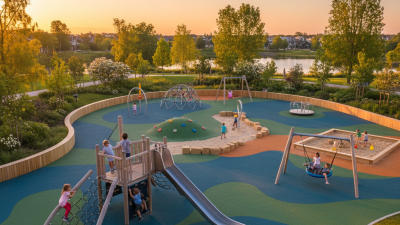
Visiting a Children's Playpark offers a unique blend of fun and developmental growth. According to the National Association for the Education of Young Children (NAEYC), outdoor play is essential for children's physical and emotional well-being. Playparks stimulate creativity and imagination, fostering cognitive skills essential in early childhood.
Dr. Sarah Johnson, an expert in child development, notes, "Playparks provide a vital space for children to learn social skills and develop resilience." This insight emphasizes the importance of these environments. Children engage in cooperative play, which enhances teamwork and problem-solving abilities. However, many parents overlook these benefits, focusing solely on entertainment.
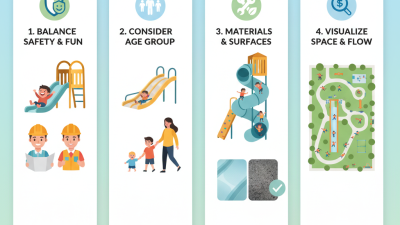
Safety considerations also merit attention. While playparks encourage exploration, proper supervision is critical. Parents must remain vigilant to prevent accidents. The balance of safety and fun can be challenging, yet crucial for enjoyable experiences. In this mixed landscape, recognizing both the benefits and potential pitfalls is key to maximizing the positive impact of Children's Playparks on development.
Benefits of Physical Activity in Children's Playparks
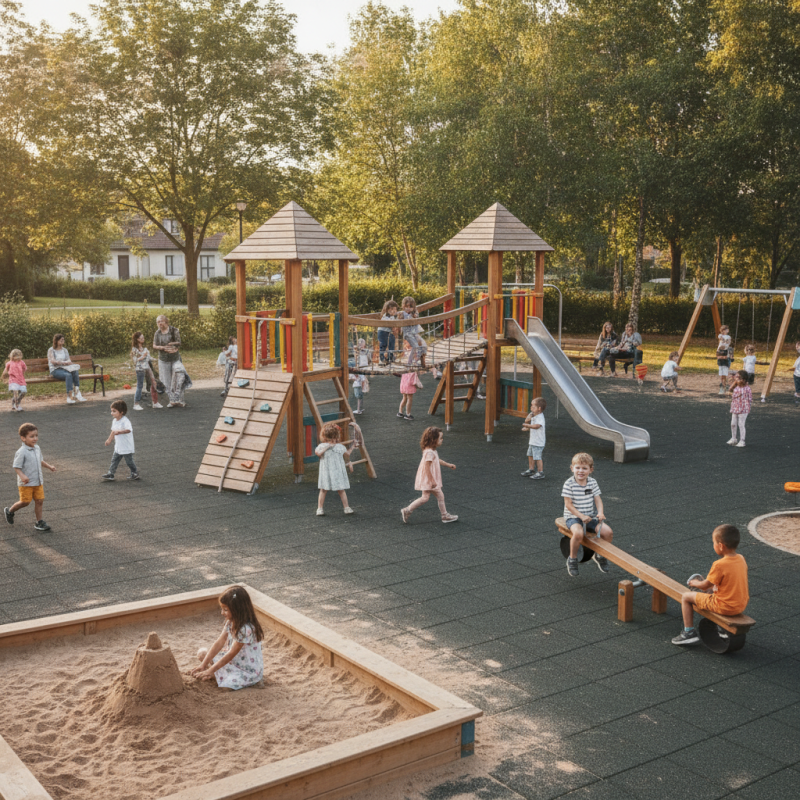
Children's playparks offer invaluable opportunities for physical activity, which is vital for their development. According to the World Health Organization, children aged 5-17 should engage in at least 60 minutes of moderate to vigorous physical activity daily. Playparks provide a perfect platform for this, encouraging kids to run, jump, and climb. Activities like swinging and sliding foster not just physical strength but also enhance coordination and balance.
Research published in the Journal of Pediatric Exercise Science highlights that children who play outdoors show improved cardiovascular fitness. Engaging in physical play reduces the risk of obesity and related health issues. Also, children who frequently visit playparks display better social skills. They learn to interact, share, and resolve conflicts during play, which can boost their emotional intelligence.
Not every child feels comfortable in these environments. Some may hesitate to join in or find social interactions tricky. Adults can encourage participation by being present. Observing from a distance may be beneficial but will not foster engagement. Creating a safe space for exploration is key. Playparks are not just about fun; they serve as essential venues for developing lifelong habits of physical activity and socialization.
Social Interaction Opportunities for Child Development
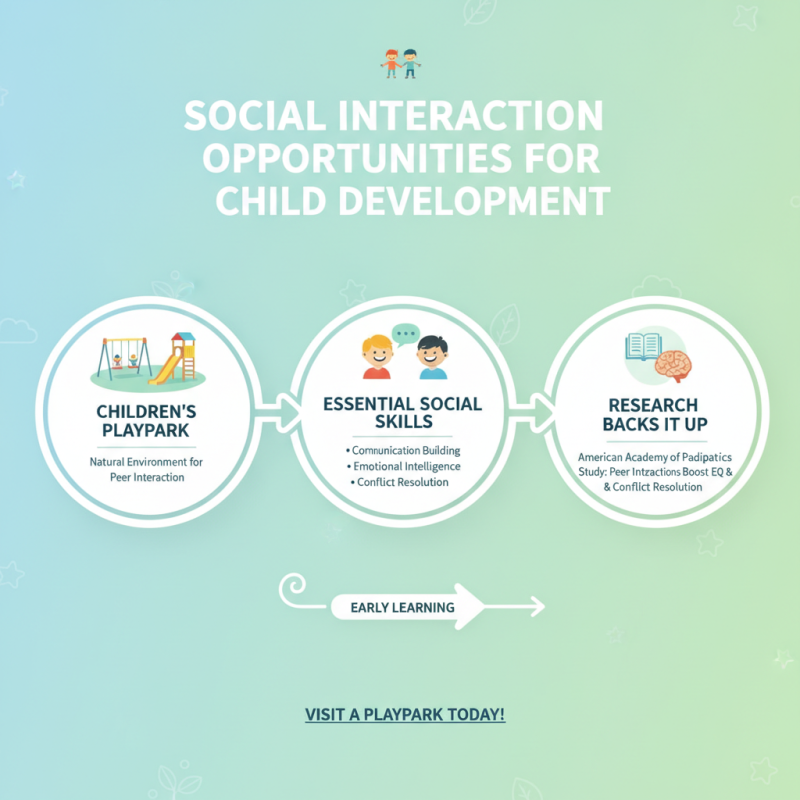
Visiting a children's playpark can provide invaluable opportunities for social interaction. Research shows that children learn essential social skills early in life. A study from the American Academy of Pediatrics indicates that peer interactions boost emotional intelligence and conflict resolution abilities. Playparks offer a natural environment for children to engage, communicate, and build friendships.
In these safe spaces, children learn to share and take turns. They meet peers from diverse backgrounds, which can enrich their understanding of social dynamics. In a survey conducted by the National Association for the Education of Young Children, 75% of parents reported improved social skills in their children after regular playpark visits. Conflict resolution skills develop as children negotiate play styles and group activities.
However, the dynamics in playparks aren’t always perfect. Some children may feel shy or struggle to engage. Observing others playing can sometimes lead to anxiety. It’s important for caregivers to be present and provide support. They can help their children navigate these social settings. Encouraging participation while respecting their comfort level can make a significant difference in social development.
Enhancing Cognitive Skills Through Playpark Activities
Children's playparks are more than just fun zones. They are spaces where kids can enhance their cognitive skills. Engaging in various activities fosters problem-solving abilities. Climbing structures encourage critical thinking. Kids learn to assess risks and navigate challenges as they play.
Playparks offer a rich environment for sensory exploration. Different textures, sounds, and visual stimuli stimulate young minds. For example, a sandpit promotes tactile exploration and creativity. Children can experiment with shapes and structures, honing spatial awareness. This hands-on experience helps in developing neural connections essential for learning.
Tips for parents: Encourage playtime in supervised environments. Join in the fun to spark your child's curiosity. Ask open-ended questions about their experiences. This promotes language skills and critical thinking. Remember to allow for risks. Minor challenges can boost confidence and resilience. Each trip to the playpark can be an opportunity for growth.
Top Benefits of Visiting a Children's Playpark for Fun and Development
Creativity and Imagination Stimulation in Play Settings
Visiting a children's play park offers more than just fun. It serves as a dynamic environment where creativity and imagination flourish. Play settings often present unique challenges, sparking children's natural curiosity. When kids climb, slide, or build, they engage in activities that require innovative thinking. They learn to solve problems in a playful context, which enhances their cognitive skills.
The variety of equipment also plays a crucial role. From swings to sandbox areas, each feature encourages imaginative scenarios. Children might pretend to be astronauts flying through space or builders constructing grand towers. These experiences allow them to express their thoughts and feelings freely. However, some children may struggle to engage. In such cases, parents can join in, providing gentle encouragement and guidance to nurture their creative play.
Social interactions are key in play parks, too. Kids not only explore their creativity but also learn to cooperate. Sharing toys or collaborating on games fosters teamwork. Despite this, conflicts can arise. Children might feel left out or frustrated. It's vital for caregivers to observe and step in when necessary. They can help children navigate these moments, aiding their social-emotional development. Play parks serve as vital arenas for growth, creativity, and social learning.
Safety and Risk Management in Children's Play Environments
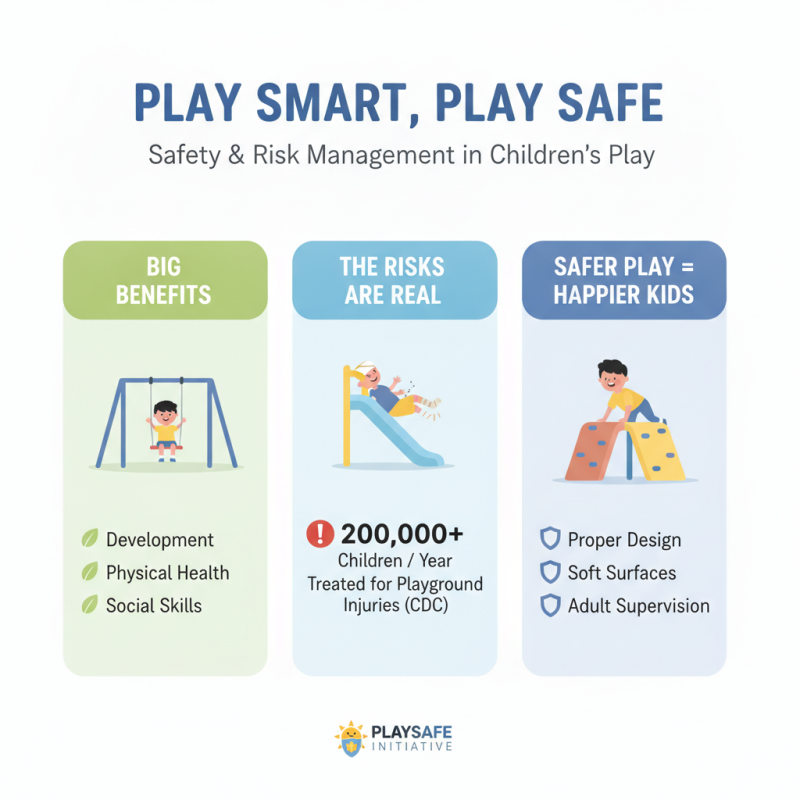
Visiting a children's playpark offers significant developmental benefits. However, safety and risk management play crucial roles in these environments. According to the Centers for Disease Control and Prevention, over 200,000 children are treated for playground injuries annually. This statistic underscores the importance of creating safe play areas.
Effective risk management practices can reduce injuries. Ensuring that playground equipment meets safety standards and is regularly maintained is vital. Soft surfacing materials, such as rubber or mulch, can decrease the chance of severe injuries. Parents should also supervise children, as active engagement can further enhance safety.
Tips for parents include teaching children how to use equipment properly. Explain the importance of waiting their turn and being mindful of others. Regularly inspect the play area for hazards, such as broken equipment or litter. Lastly, encourage children to express their feelings about accidents. Open discussions can lead to better safety awareness and help identify possible dangers in their environment.
 +86-13901441113

 CONTACT NUMBER
 CONTACT NUMBER