Top 10 Benefits of Preschool Outdoor Play for Kids
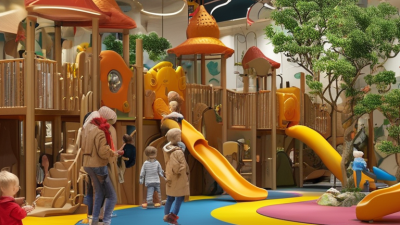
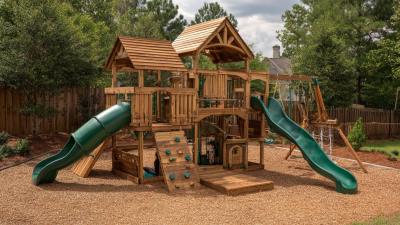
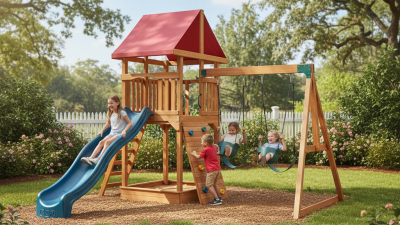
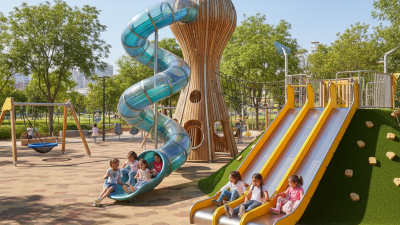
Preschool Outdoor Play is essential for children's development, offering numerous benefits that extend beyond mere enjoyment. According to the National Association for the Education of Young Children (NAEYC), outdoor play boosts physical health and inspires creativity. Furthermore, a report by the American Academy of Pediatrics highlights that children who engage in outdoor play show improved social skills and emotional well-being.
Dr. Emily Smith, an expert in early childhood education, emphasizes the need for outdoor experiences. She states, "Outdoor play is a fundamental right for every child; it fosters not just physical health but cognitive growth." Research suggests that children who play outside tend to have better focus in the classroom. This understanding poses a vital question: are we providing enough opportunities for Preschool Outdoor Play?
While many preschools incorporate outdoor activities, there is still work to do. Some educators view outdoor play as secondary to structured learning. This perspective may undermine the significance of exploration and play in nature. Balancing structured activities with ample outdoor play is crucial for holistic development. Without intentional efforts, we risk stifling creativity and limiting children's potential.

Benefits of Enhanced Physical Health through Outdoor Play
Outdoor play is essential for preschoolers’ physical health. Engaging in activities like climbing, running, and jumping strengthens muscles and improves coordination. These movements promote cardiovascular fitness and enhance overall endurance. Fresh air and sunlight also contribute to better vitamin D levels, crucial for bone development.
Children benefit from exploring different environments. Uneven ground, tree roots, and grass offer challenges that encourage balance and agility. This not only reinforces physical skills but also fosters confidence in their abilities. However, it's important to ensure safety during play. Supervision is needed to prevent injuries.
Many parents worry about mess or dirt, but outdoor play is about exploration and learning. Kids are often more active outside, leading to reduced risks of obesity. They discover boundaries and learn to assess risks. Encouraging them to play outside might require letting go of some control, but the benefits to their physical health are clear. Allowing children this freedom helps cultivate a sense of adventure and curiosity.
Fostering Social Skills and Emotional Development in Nature
Outdoor play in preschool settings significantly enhances children's social skills and emotional development. Nature provides a unique backdrop for interactions. According to a study from the University of Minnesota, children who engage in outdoor play develop better social competence. They learn cooperation, sharing, and conflict resolution while playing games and exploring. These skills are essential as they grow and navigate more complex social environments.
Furthermore, outdoor play contributes to emotional growth. Research from the American Academy of Pediatrics shows that children who play outside exhibit increased confidence and resilience. Nature helps them manage stress through physical activity. Climbing a tree or navigating a playground helps build risk assessment skills. These experiences allow children to face challenges and learn from failures, fostering a growth mindset.
Engaging in unstructured outdoor play is not without its challenges. Some children may struggle to connect with peers, feeling shy or hesitant. Caregivers must encourage participation. They should facilitate environments where every child feels included. Addressing these social hurdles is vital for holistic development. By carefully observing and guiding outdoor interactions, caregivers can help children thrive emotionally and socially in nature.
Top 10 Benefits of Preschool Outdoor Play for Kids
| Benefit |
Description |
Development Area |
| Enhanced Motor Skills |
Outdoor play encourages children to climb, run, and jump, improving their physical coordination and balance. |
Physical Development |
| Social Interaction |
Children learn to work together, share, and communicate while playing, fostering vital social skills. |
Social Development |
| Increased Creativity |
Natural environments stimulate imaginative play, allowing children to create stories and scenarios. |
Cognitive Development |
| Emotional Resilience |
Experiences in nature can help children develop coping strategies and emotional regulation. |
Emotional Development |
| Connection to Nature |
Playing outdoors helps children develop a lifelong appreciation for the environment and nature. |
Environmental Awareness |
| Reduction of Stress |
Nature has a calming effect, and outdoor play can decrease anxiety and stress levels in children. |
Mental Wellness |
| Encouragement of Teamwork |
Many outdoor games require children to collaborate, teaching them the value of teamwork. |
Social Skills |
| Increased Attention Span |
The dynamic nature of outdoor play helps improve concentration and reduces restlessness. |
Cognitive Skills |
| Problem-Solving Skills |
Outdoor play challenges children to think critically and devise solutions to obstacles. |
Cognitive Development |
| Promotion of Healthy Lifestyle |
Regular outdoor activity helps instill a love for physical activity, contributing to a healthier lifestyle. |
Physical Health |
Stimulating Cognitive Growth with Outdoor Learning Experiences
Outdoor play is essential for cognitive growth in preschoolers. Research shows that children learn best through hands-on experiences. Engaging with nature sparks curiosity, leading to better problem-solving skills. A study by the National Association for the Education of Young Children emphasizes the importance of outdoor activities. It found that 70% of children displayed improved focus after outdoor play.
Outdoor environments offer diverse learning opportunities. Climbing, running, and exploring contribute to sensory development. These activities enhance spatial awareness and fine motor skills. According to a report by the American Academy of Pediatrics, 60% of children engaged in outdoor play show increased creativity. Nature's unpredictability challenges them to think critically. Some children hesitate to try new activities. This reluctance can limit their growth.
Unstructured outdoor play promotes independence. Children learn to make decisions and take risks. For instance, navigating a climbing structure builds confidence. On the other hand, not all children thrive in natural settings. Some might struggle due to a lack of prior exposure. Encouraging outdoor play is essential, but attention must be paid to individual needs.
Encouraging Creativity and Imagination in Natural Environments
Outdoor play in preschool offers countless benefits, especially for creativity and imagination. Natural environments stimulate children’s senses. When kids run through grass, climb trees, or explore rocks, they experience the world in vibrant ways. This exploration helps them create vivid stories in their minds.
Encouraging imaginative play outdoors can be simple. Use natural items like sticks or leaves as props for storytelling. Children can build forts with branches or pretend to cook with stones. These acts foster creativity and make learning enjoyable. Allowing kids to play without strict rules enhances their problem-solving skills. They may need to navigate conflicts or disagreements during play, which helps them grow socially and emotionally.
Another idea is to let children lead outdoor activities. Give them space to decide what games to play. It’s okay if they struggle at first. They will learn through trial and error. Some might feel unsure in new environments. That’s part of the process.
Being outside also allows for unexpected discoveries. A child might find a worm or a unique rock. These discoveries ignite curiosity and spark interest in nature. While the experience can be chaotic, it teaches resilience and adaptability. Embracing these moments encourages children to connect with their surroundings and express themselves creatively.
Promoting Environmental Awareness and Connection in Young Learners
Outdoor play in preschool offers children a unique opportunity to connect with the environment. Nature becomes their classroom, stimulating curiosity and learning. Young learners can explore various textures, sounds, and smells. This sensory interaction fosters a deep understanding of the natural world. Engaging with plants and animals can spark questions, encouraging inquiry and critical thinking.
Integrating outdoor play into the curriculum aids in promoting environmental awareness. Children may learn about ecosystems and the importance of conservation. They play in diverse settings, from gardens to parks. This exposure cultivates a sense of responsibility for the earth. When kids plant seeds or care for living things, they develop an emotional bond with nature. This bond often leads to lifelong environmental stewardship.
Encouraging outdoor play doesn't require a structured approach. Parents and educators can let kids explore freely. Create a routine that includes nature walks or outdoor games. Allowing children to lead their exploration promotes independence. Observing their environment can lead to discussions about sustainability. Through these moments, kids learn to appreciate their role in protecting the planet.
 +86-13901441113

 CONTACT NUMBER
 CONTACT NUMBER