2026 Top Playground Facilities Buyers Guide What to Consider?
Choosing the right playground facilities is crucial for any community. These spaces promote physical activity and social interaction among children. However, the decision process can be overwhelming. Many factors influence what makes a playground truly enjoyable and safe.
When evaluating playground facilities, consider various aspects such as safety standards, accessibility, and age-appropriate equipment. The layout should encourage exploration and fun while ensuring that children remain safe. Additionally, it is essential to think about maintenance and durability. Expensive equipment can be a poor investment if it requires constant repairs.
Moreover, don't overlook community input. What do the local families want? Their feedback is invaluable. If decisions are made without considering end-users, even the best facilities may not meet expectations. Finally, reflect upon the available space and budget. It’s easy to get carried away with ideas, but reality often calls for compromise. Balancing ideals with practicalities can lead to successful playground facilities that everyone enjoys.
Key Factors in Selecting Playground Equipment for 2026
When selecting playground equipment for 2026, consider safety and durability first. Equipment should meet national safety standards. Look for materials that withstand various weather conditions. Stainless steel and high-density polyethylene are popular choices. These materials resist rust and fading over time.
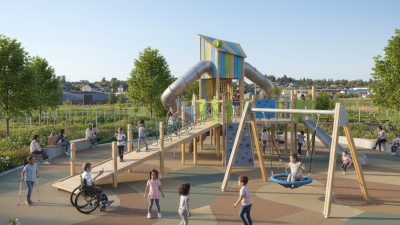
Accessibility is another key factor. Ensure equipment is inclusive for children of all abilities. Ramps, transfer platforms, and adaptive swings make a playground welcoming. Pay attention to age-appropriate designs. Equipment should cater to different age groups, promoting safe play and skill development.
Aesthetics matter, too. Bright colors and engaging designs attract children and encourage imaginative play. However, beauty should not compromise safety and function. Lastly, consult with community stakeholders. Gather feedback on what kids want. This insight guides you toward creating an enjoyable and inclusive space. Reflect on past choices to avoid repeating mistakes.
Safety Standards and Regulations for Playground Facilities in 2026
As playground facilities evolve, safety standards in 2026 are more critical than ever. The Consumer Product Safety Commission (CPSC) reports that over 20,000 children visit emergency rooms annually due to playground-related injuries. This statistic underscores the necessity for compliant designs. New standards will emphasize durable materials and appropriate surfacing, reducing risks significantly.
Moreover, adherence to the latest safety regulations, such as ASTM F1487, ensures playground structures are built with quality in mind. Each design should consider age-appropriate equipment, reducing falls and collisions. A 2023 national survey revealed that 85% of playground injuries occur on equipment that doesn’t meet current safety standards. Ensuring regular inspections and proper maintenance is essential for reducing hazards.
It's tempting to prioritize aesthetics over safety. However, such choices can lead to unfortunate consequences. Playground designs may need constant evaluation and adaptation to meet new safety requirements. Reflecting on past incidents can guide future decisions, promoting a balance between fun and safety. By embracing these new safety standards, sites can foster environments where children play freely without unnecessary risks.
2026 Top Playground Facilities Buyers Guide: What to Consider?
| Dimension |
Description |
Safety Standards |
Regulations |
| Material Quality |
Durable materials that withstand weather conditions |
ASTM F1487 |
CPSC Guidelines |
| Age Appropriateness |
Design features suitable for specific age groups |
EN 1176 |
ADA Compliance |
| Impact Attenuation |
Soft materials under play equipment to reduce injuries |
ASTM F1292 |
Local Building Codes |
| Accessibility |
Facilities that are usable by children with disabilities |
ADA Standards |
ICC A117.1 |
| Maintenance Requirements |
Regular checks and replacements to ensure safety |
ASTM F1487 |
State Regulations |
Impact of Material Choices on Durability and Maintenance Costs
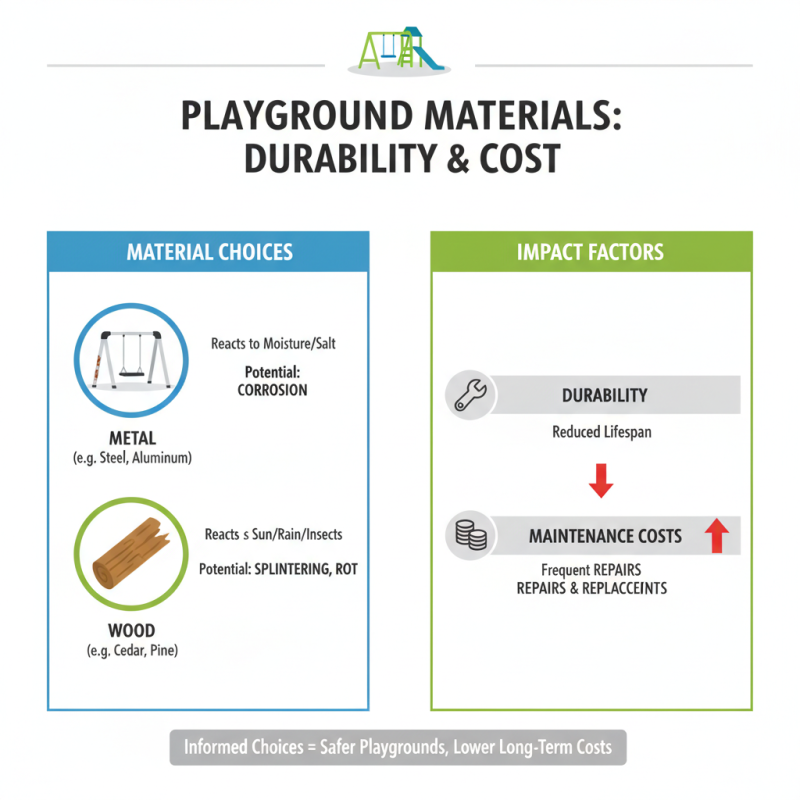
When considering playground facilities, the choice of materials is crucial for durability and maintenance. Different materials react uniquely to various weather conditions and usage patterns. For instance, metal may corrode, while wood can splinter over time. These outcomes influence how often you need to perform repairs or replacements.
Investing in high-quality materials often means higher upfront costs, but can lead to long-term savings. Poor choices can result in increased maintenance expenses, especially if you need frequent replacements. For example, plastic components may fade and become brittle under intense sunlight.
Being mindful of environmental factors can guide material selection. Runoff from play areas might impact nearby ecosystems. Weigh these factors carefully to ensure your playground remains a safe and enjoyable space. Exploring local case studies can provide insights and reveal potential pitfalls in material choices.
Trends in Inclusive Playground Design: Access for All Children
Inclusive playground design is gaining momentum. Research shows that 1 in 5 children has a disability. These children often find traditional playgrounds inaccessible. Designing spaces that cater to diverse needs can change this reality.
Accessibility is key in creating inclusive environments. Appropriate surfacing, such as rubber mats, can accommodate wheelchairs and walkers. Universal design principles encourage participation from all children. Features like ramps, sensory equipment, and quiet areas support various developmental levels. Even small details, like lower slides and tactile paths, can make a significant difference.
However, many playgrounds still lack these essential elements. A recent survey indicated that only 25% of playgrounds meet basic accessibility standards. This highlights the need for ongoing improvement in designs. As communities push for inclusivity, the conversation must focus on actionable changes. It’s imperative to ask: are we truly making playgrounds accessible for every child?
2026 Inclusive Playground Design Trends
Analyzing Budget Constraints and Financing Options for Playground Projects
When planning a playground project, budgeting cannot be overlooked. The costs can quickly accumulate, from equipment to installation. Every community has different funding levels and priorities, so understanding these constraints is crucial. Look into various financing options that suit your financial situation.
Consider applying for grants specifically aimed at community projects. Local foundations often support playground development. Additionally, crowdsourcing can be an effective method to raise funds. Engage your community to gather support and resources. Every little bit counts, even small donations can build up over time.
Tip: Assess existing resources before you start. Are there local businesses willing to sponsor? What about fundraising events?
Budgeting also requires an evaluation of long-term maintenance costs. It’s easy to overlook upkeep when initially planning. Regular maintenance can extend a playground's lifespan and enhance safety. Budgeting for these ongoing expenses is not just wise—it's necessary.
Tip: Create a maintenance fund. Set aside a small percentage of the total budget for future repairs.
 +86-13901441113

 CONTACT NUMBER
 CONTACT NUMBER